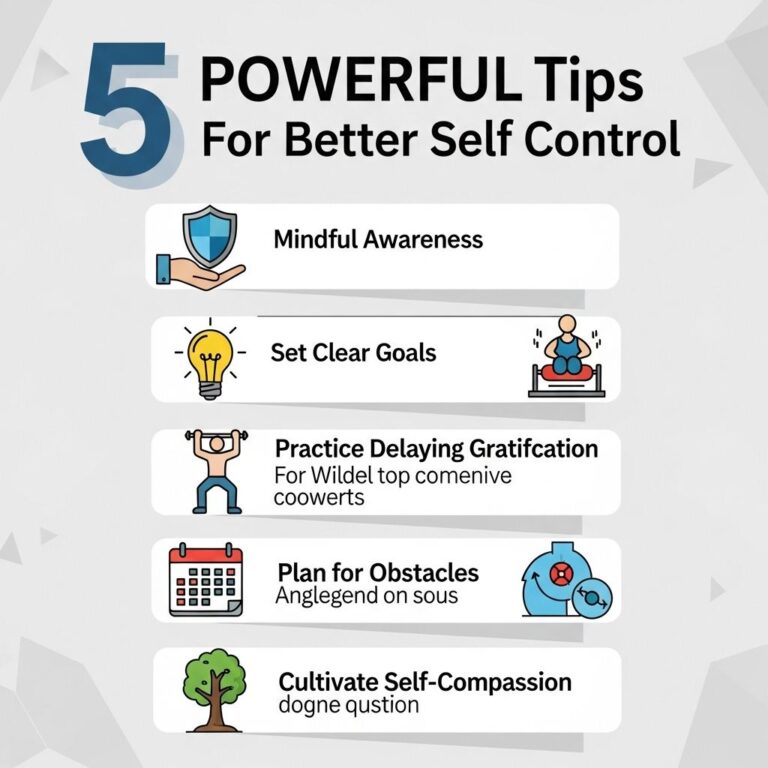
In today’s fast-paced world, mastering self-discipline is crucial for achieving personal and professional success. Whether you’re trying to stick to a workout routine, maintain a healthy diet, or focus on your career goals, self-discipline serves as the backbone of your success. This article will explore various strategies and techniques to help you develop and strengthen your self-discipline skills efficiently.
Table of Contents
Understanding Self Discipline
Self-discipline refers to the ability to control one’s feelings, emotions, and behaviors in the face of external demands, distractions, or temptations. It is the inner strength that helps us stay focused on our long-term goals instead of succumbing to short-term pleasures. Understanding the psychological mechanisms behind self-discipline can enhance your ability to cultivate it.
The Psychology of Self Control
Self-control can be viewed through various psychological lenses, including:
- Willpower: The mental capacity to resist short-term temptations in favor of long-term goals.
- Delayed Gratification: The ability to postpone immediate rewards for more significant, future rewards.
- Habits: Consistent behaviors that are automated through practice, reducing the need for conscious decision-making.
Setting Clear Goals
To master self-discipline, start by setting clear, achievable goals. This gives you a target to strive for, making it easier to remain disciplined. Follow the SMART criteria when setting your goals:
- Specific: Clearly define what you want to achieve.
- Measurable: Quantify your goals to track progress.
- Achievable: Ensure your goals are realistic.
- Relevant: Align your goals with your broader objectives.
- Time-bound: Set a deadline to create a sense of urgency.
Creating an Action Plan
Once your goals are set, create a detailed action plan that outlines the steps you need to take. This plan should include:
- Specific tasks or actions needed to reach your goal.
- Timeframes for each task.
- Resources or tools required to complete tasks.
- Potential obstacles and strategies to overcome them.
Cultivating Positive Habits
Habits play a significant role in self-discipline. By cultivating positive habits, you can create a structured routine that supports your goals.
The Habit Loop
The habit loop consists of three components:
- Cue: A trigger that initiates the habit.
- Routine: The behavior you engage in after the cue.
- Reward: The benefit you gain that reinforces the habit.
To form new habits, replace negative cues and routines with positive ones. For example, if you tend to snack mindlessly while watching TV, replace that routine with a healthier snack or even a different activity altogether.
Utilizing Tools and Techniques
Several tools can help increase your self-discipline. Here’s a look at some you might find useful:
Technology Aids
| Tool | Description | Purpose |
|---|---|---|
| Habit Tracker Apps | Applications like Habitica and Strides help you monitor your habits and goals. | Provides accountability and visual progress tracking. |
| Focus Apps | Apps such as Forest and Cold Turkey block distractions during work or study sessions. | Enhances concentration and minimizes interruptions. |
| Pomodoro Timers | Using a timer to break work into intervals (usually 25 minutes) followed by short breaks. | Improves productivity and prevents burnout. |
Mindfulness and Meditation
Practicing mindfulness can significantly enhance self-discipline. Techniques include:
- Meditation: Spend a few minutes each day focusing on your breath to increase awareness.
- Journaling: Reflect on your goals and daily challenges to stay focused and motivated.
- Visualization: Envision yourself achieving your goals to boost motivation.
Staying Accountable
Accountability can enhance your commitment to your goals. Consider the following methods:
- Share your goals with a friend or mentor.
- Join a support group or community with similar objectives.
- Regularly review your progress and adjust your strategies as needed.
Overcoming Challenges
While cultivating self-discipline, you’ll encounter challenges. Here are strategies to overcome common obstacles:
Identifying Triggers
Recognize situations or emotions that lead to a loss of self-discipline. Keep a log to track these triggers and develop strategies to manage them.
Handling Setbacks
Setbacks are a natural part of any journey. Approach them with a growth mindset:
- Reflect on what went wrong.
- Identify learning opportunities.
- Commit to adjusting your action plan.
Conclusion
Mastering self-discipline is a continuous journey that requires patience, persistence, and practice. By setting clear goals, creating structured plans, cultivating positive habits, utilizing tools, and holding yourself accountable, you can fast-track your path to greater self-discipline. Remember, every small step you take contributes to your overall success, so stay committed and focused on your journey.
FAQ
What are the key steps to master self-discipline quickly?
To master self-discipline quickly, start by setting clear goals, breaking tasks into smaller steps, creating a daily routine, eliminating distractions, and practicing mindfulness and self-reflection.
Can self-discipline be learned or is it an inherent trait?
Self-discipline can be learned and developed over time through consistent practice and commitment. It is not solely an inherent trait.
What role does motivation play in self-discipline?
Motivation serves as a driving force that can enhance self-discipline. Having a strong ‘why’ behind your goals can reinforce your commitment and help you stay focused.
How can I stay accountable in my journey to master self-discipline?
To stay accountable, consider sharing your goals with a friend, joining a support group, or using tracking apps that monitor your progress and remind you of your commitments.
What are some common obstacles to self-discipline and how can I overcome them?
Common obstacles include procrastination, lack of motivation, and negative self-talk. Overcome them by setting realistic goals, practicing positive affirmations, and developing a structured environment.
How long does it take to develop strong self-discipline?
The time it takes to develop strong self-discipline varies by individual, but with consistent effort and practice, significant improvements can often be seen within 21 to 66 days.