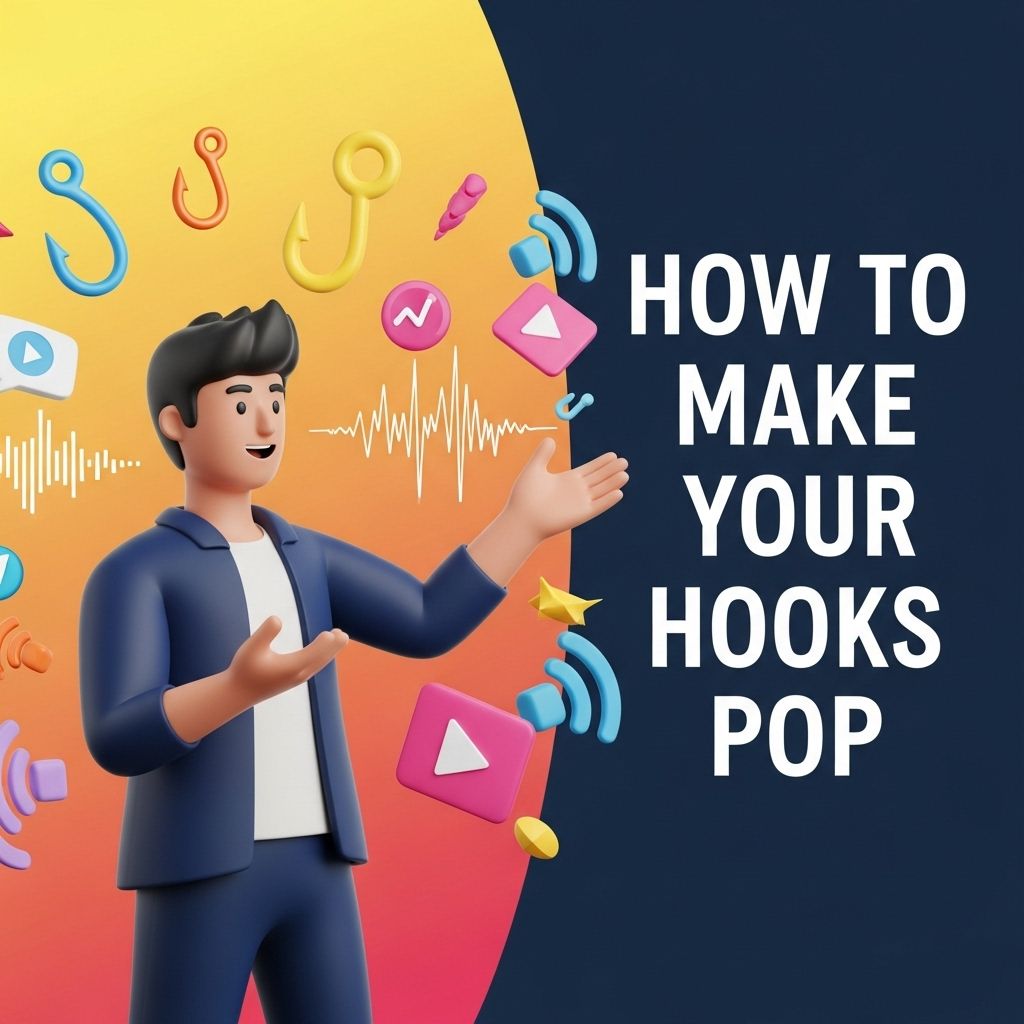
Creating attention-grabbing hooks is essential in today’s fast-paced digital landscape. Whether you’re crafting a blog post, a marketing campaign, a video, or even a presentation, your opening lines need to captivate your audience immediately. In this article, we’ll explore various strategies to ensure your hooks not only stand out but also resonate with your target audience, compelling them to engage with your content further.
Creating an unforgettable hook is essential for capturing your audience’s attention right at the start. Implementing engaging visuals and thoughtful design can elevate your message, akin to using best bag mockup designs to present your ideas more effectively. By prioritizing clarity and creativity, you can make your hooks truly pop.
Table of Contents
Understanding the Importance of Hooks
Hooks serve as the entry point into your content. A well-crafted hook can:
- Capture attention instantly
- Generate interest and curiosity
- Encourage readers to continue
- Set the tone and context for the rest of the content
In a world overflowing with information, standing out is fundamental. With the average human attention span dwindling, making your hooks pop is not just an art; it’s a necessity.
Types of Hooks That Work
Various types of hooks can be used depending on your content’s nature and audience. Here are some effective approaches:
1. The Question Hook
Asking a thought-provoking question engages the reader’s mind, prompting them to think critically. For example:
“What if your next innovation could change the world?”
2. The Statistic Hook
Using compelling statistics can lend credibility to your message and pique interest. For instance, sharing a statistic like:
“Did you know that 80% of content is ignored due to poor headlines?”
3. The Quotation Hook
A powerful quote can evoke emotions or inspire readers. Consider using a quote relevant to your topic:
“Innovation distinguishes between a leader and a follower.” – Steve Jobs
4. The Anecdote Hook
Sharing a brief personal story or anecdote helps create a connection with your audience. It humanizes your content and makes it relatable.
5. The Vivid Description Hook
Using descriptive language can draw readers in by painting a picture in their minds:
“Imagine a world where technology seamlessly integrates into our daily lives, enhancing our experiences without us even noticing.”
Crafting Your Hook
Here are some tips on how to create hooks that truly pop:
1. Know Your Audience
Understanding your target audience is crucial. What are their interests? What problems do they face? Tailoring your hook to address their specific needs will significantly enhance its effectiveness.
2. Be Clear and Concise
A hook should be straightforward and to the point. Avoid complicated language that might alienate your audience. A clear and simple hook is more likely to resonate.
3. Use Strong Language
Powerful words evoke emotion and create a sense of urgency. Consider incorporating words that spark action or intrigue, such as “discover,” “unleash,” or “transform.”
4. Create a Sense of Urgency
Incorporating urgency can motivate readers to take action immediately. Phrasing your hook in a way that suggests limited time or opportunity can create that necessary push. For example:
“Only a few spots left for a groundbreaking workshop!”
5. Experiment with Different Formats
Don’t be afraid to try different styles of hooks. A/B testing can help you understand what resonates best with your audience. Analyze engagement metrics to refine your approach.
The Role of Visuals in Hooks
Visual elements can significantly enhance the effectiveness of your hook. Consider the following:
1. Compelling Images
Using eye-catching graphics or images can complement your hook and draw attention. A well-chosen image can often convey more than words alone.
2. Infographics and Data Visualizations
For statistical or factual hooks, an infographic can make complex data more digestible and appealing.
Common Mistakes to Avoid
While crafting hooks, be mindful of these common pitfalls:
- Being Too Obscure: A hook should be intriguing but not confusing. Make sure your audience can grasp the essence of your message.
- Overpromising: Avoid making grand statements that your content doesn’t support. This can lead to disappointment and diminish trust.
- Neglecting Audience Needs: Always keep your audience’s preferences and needs in mind; otherwise, your hook may fall flat.
Real-World Examples of Effective Hooks
Let’s look at some examples of successful hooks from various industries:
1. Marketing
“Unlock the secrets of digital marketing success with our proven strategies!”
2. Technology
“Is your cybersecurity strong enough to withstand the next major attack?”
3. Health
“Discover the one superfood you should add to your diet today for optimal health!”
Testing and Refining Your Hook
Once you have crafted your hooks, it’s essential to test them. Here’s a simple process to evaluate their effectiveness:
- Gather audience feedback through surveys or analytics.
- Experiment with different headlines in A/B tests.
- Analyze engagement metrics like click-through rates and time spent on content.
Conclusion
Creating hooks that pop is an essential skill in the digital age. By understanding your audience, leveraging various hook types, and incorporating visuals, you can significantly enhance your content’s engagement levels. Remember to test and refine your approach continuously. With practice, you’ll master the art of hooks that not only attract attention but also keep your audience coming back for more.
FAQ
What are the best techniques to make my hooks stand out?
To make your hooks pop, use strong visuals, intriguing questions, or bold statements that grab attention immediately.
How can storytelling enhance my hooks?
Incorporating storytelling into your hooks can create an emotional connection, making them more relatable and engaging for your audience.
What role does audience understanding play in creating effective hooks?
Understanding your audience’s preferences and pain points is crucial; tailor your hooks to resonate with their interests and needs.
Can using humor improve my hooks?
Yes, humor can be an effective way to catch attention and make your content memorable, as long as it aligns with your brand voice.
Why is it important to test different hooks?
Testing different hooks allows you to analyze what resonates best with your audience, helping you refine your approach for maximum impact.
How do visuals complement text in making hooks pop?
Pairing eye-catching visuals with compelling text can enhance the effectiveness of your hooks, making them more appealing and shareable.