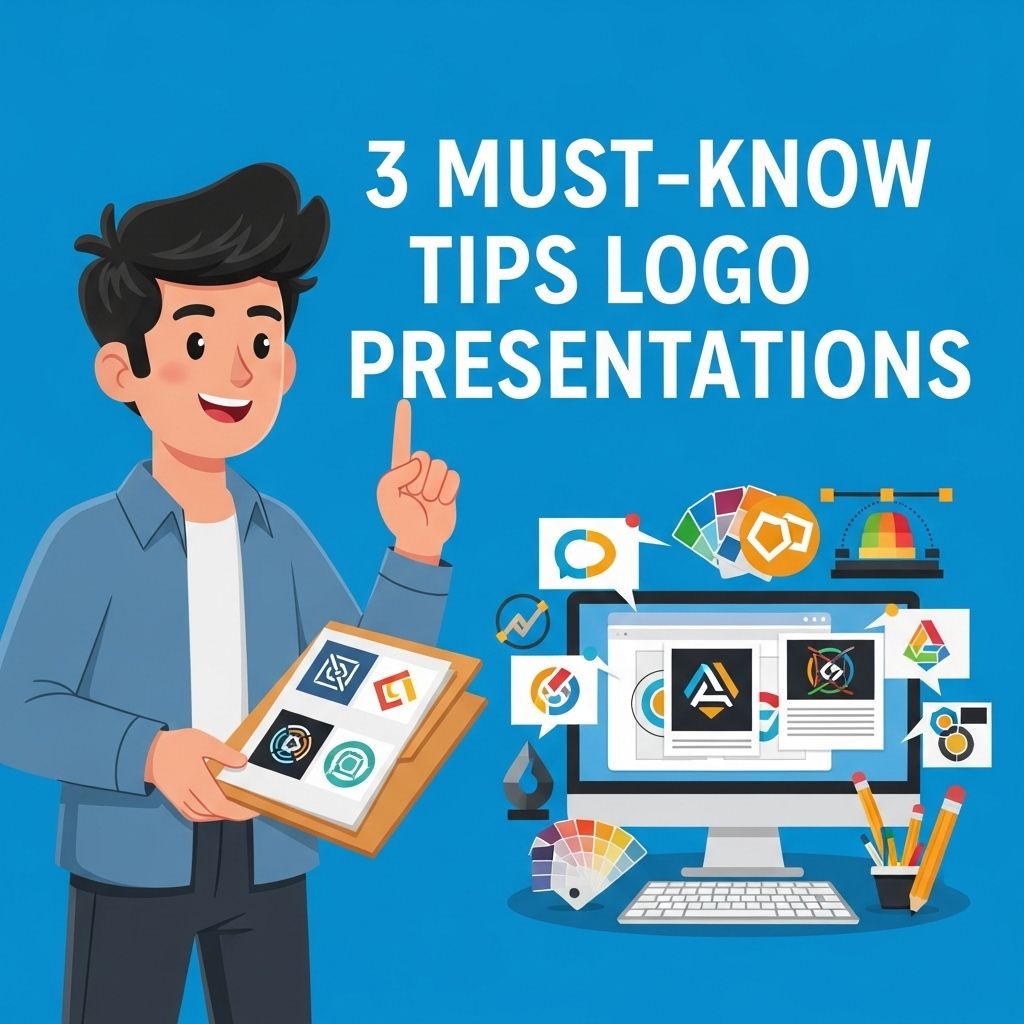
When it comes to logo presentations, the stakes are high. A logo is often the first impression a brand makes, and it can set the tone for how that brand is perceived in the marketplace. Effectively communicating your logo design to your clients or stakeholders is crucial to ensuring that they grasp not only the aesthetics but the reasoning behind your choices. Whether you’re a seasoned designer or a newcomer to the world of branding, there are essential strategies to enhance the effectiveness of your logo presentation. In this article, we will explore three must-know tips that will elevate your logo presentations and leave a lasting impression on your audience.
When presenting your logo design, making a memorable impact is crucial. Focus on clarity, storytelling, and professional mockups to effectively communicate your vision. For inspiration on how to elevate your presentations, consider these tips for designing with gold mockups.
Table of Contents
Understand Your Audience
Before diving into your presentation, it’s critical to understand who your audience is. Each audience will have different expectations, knowledge levels, and interests regarding design and branding. Taking the time to tailor your presentation can make a significant difference.
Analyze Audience Type
Creating a captivating logo presentation is key to effectively communicating your design’s value. Focus on storytelling by showcasing the design process, and use high-quality mockups to bring your logos to life. For additional resources, consider exploring vector logo templates.
- Clients: Focus on how the logo aligns with their brand identity and business goals.
- Design Peers: Emphasize design techniques, trends, and the creative process.
- Stakeholders: Highlight the logo’s potential impact on market appeal and return on investment.
Gather Audience Insights
Engage with your audience to understand their preferences and expectations. This can be achieved through:
- Surveys or questionnaires before the presentation.
- Informal discussions to gauge their thoughts on branding.
- Researching the brand’s history and market positioning.
Structure Your Presentation Effectively
A well-structured presentation not only enhances clarity but also engages your audience. Consider breaking your presentation down into clear sections to guide the audience through your thought process.
Recommended Structure
- Introduction: Briefly present the brand and the purpose of the logo.
- Research Insights: Share findings about the competition and target market.
- Design Concepts: Showcase various logo designs along with the rationale behind each option.
- Final Design Presentation: Reveal the finalized logo with high-quality visuals.
- Wrap-Up: Conclude with the logo’s expected impact and next steps.
Utilize Visual Aids
Visual aids play a key role in reinforcing your message. Use a mix of formats to keep the audience engaged:
– High-resolution images: Ensure that your logo design is presented in the best possible quality.
– Mockups: Show the logo in real-world scenarios, such as business cards, websites, and merchandise.
– Charts and Graphs: Provide data that supports your design decisions, such as market research findings.
Tell a Compelling Story
Storytelling can transform a standard presentation into a memorable experience. By presenting your logo as a narrative, you can create an emotional connection with your audience.
Crafting Your Narrative
- Background: Introduce the brand’s history and the need for a new logo.
- Inspiration: Discuss sources of inspiration for the design, whether cultural, historical, or personal.
- Design Process: Share sketches, iterations, and feedback loops to illustrate your creative journey.
- Emotional Appeal: Explain how the logo encapsulates the brand’s values and mission.
Engaging Presentation Style
How you present can be just as important as what you present. Keep these tips in mind:
- Practice: Rehearse your delivery to ensure confidence and clarity.
- Body Language: Use open and engaging body language to connect with your audience.
- Interaction: Invite questions or feedback throughout the presentation to foster engagement.
Conclusion
In summary, a successful logo presentation hinges on understanding your audience, structuring your content effectively, and telling a compelling story that resonates with stakeholders. By applying these three must-know tips, designers can enhance their communication and ensure that their logo designs are not just seen, but appreciated and embraced. Ultimately, the goal is to leave your audience excited and confident in the logo’s ability to represent the brand it stands for, setting the stage for a successful launch and long-term recognition in the marketplace.
FAQ
What are the key elements to include in a logo presentation?
When presenting a logo, include the design rationale, variations of the logo, usage examples, and the color palette to provide a comprehensive understanding.
How can I effectively communicate my logo design ideas?
Use storytelling techniques to share the inspiration behind the logo, highlight its relevance to the brand, and engage your audience with visuals and mockups.
What should I avoid when presenting a logo to clients?
Avoid overwhelming your audience with too many design options at once, using jargon that may confuse them, and neglecting to explain the thought process behind the design.
How important is feedback during a logo presentation?
Feedback is crucial as it allows you to understand client preferences, make necessary adjustments, and ultimately create a logo that aligns with their vision.
What is the best way to showcase a logo in real-world applications?
Present the logo in context by using mockups on business cards, signage, and digital platforms to help clients visualize its application in real-life scenarios.