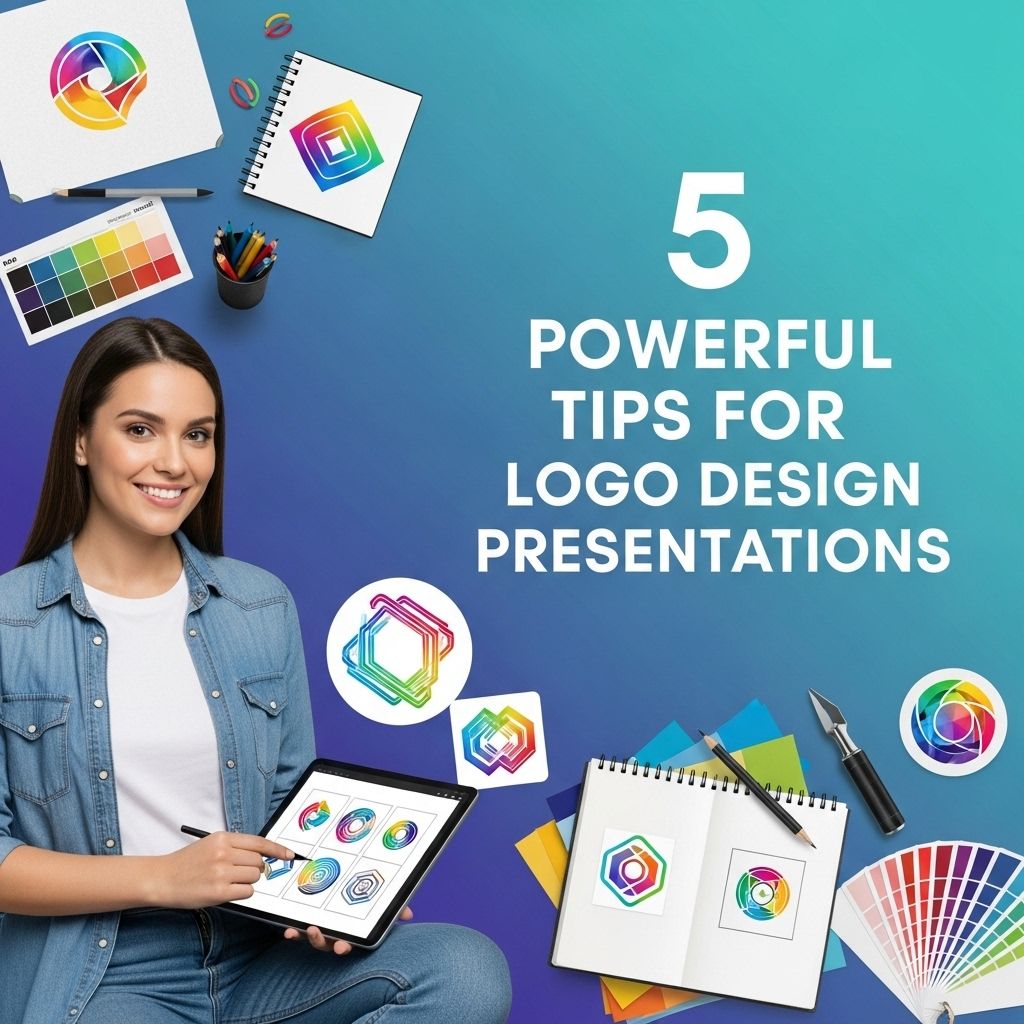
Designing a logo is more than just creating a visually appealing graphic; it’s about encapsulating a brand’s essence in a memorable way. When presenting your logo designs to clients or stakeholders, effective communication is just as critical as the design itself. A compelling presentation can make the difference between a logo that is embraced and one that is rejected. Here are five powerful tips to elevate your logo design presentations and ensure your designs resonate with your audience.
Creating an impactful logo design presentation is crucial for effectively communicating your brand’s vision. To help you wow your audience, here are five essential tips that can elevate your presentation and convey the essence of your design. For additional inspiration, explore various brand identity designs to see how innovative concepts can be visualized.
Table of Contents
1. Know Your Audience
Understanding the audience you will present to is fundamental. Different stakeholders may have varying expectations and levels of design knowledge. Here’s how to tailor your presentation:
- Research the Client: Familiarize yourself with the client’s industry, target audience, and competitors.
- Identify Key Decision Makers: Know who will be in the room and what their roles are. This helps in framing your message.
- Anticipate Questions: Prepare for potential questions or concerns regarding your design choices.
Engage with Context
Incorporate relevant industry trends and insights to show your understanding of the market landscape. This adds authority to your presentation and resonates with the audience.
2. Presenting the Concept
The concept behind the logo is crucial. A logo is not just a pretty picture, but a visual representation of a brand’s values. Here’s how to present your concepts effectively:
- Use Storytelling: Explain the narrative behind the logo design. How does it embody the brand’s mission and vision?
- Visual Mockups: Place the logo in real-life scenarios (e.g., business cards, storefronts, websites) to help the audience visualize its application.
- Color Psychology: Discuss color choices and how they align with the brand’s identity and audience perception.
Interactive Demonstration
Consider using interactive tools or animations that allow your audience to see the logo in action. This could mean a slide presentation that transitions through different uses of the logo, showcasing flexibility and adaptability.
3. Design Variations and Alternatives
Presenting a single logo design can be limiting. Offering variations can illustrate your design thinking process and provide options that may appeal to different stakeholders:
- Color Variations: Show how the logo looks in different color palettes.
- Layout Options: Present horizontal, vertical, and icon-only versions of the logo.
- Use Cases: Illustrate how the logo performs in various media—digital, print, merchandise, etc.
Comparison Table
| Variation Type | Pros | Cons |
|---|---|---|
| Color Variation | Versatile branding | May dilute brand identity |
| Layout Options | Greater application | Complexity in selection |
| Use Cases | Real-world application | Potential misrepresentation |
4. Be Prepared for Feedback
Once you present your logo designs, feedback is inevitable. Embracing constructive criticism can improve your designs and your relationship with your clients:
- Create an Open Atmosphere: Encourage questions and opinions. Make it clear that you value input.
- Clarify Misunderstandings: Address any misconceptions about your design swiftly and effectively.
- Document Feedback: Take notes on points raised during the discussion to inform your revisions.
Constructive Revisions
After receiving feedback, be ready to iterate on your designs. Present the updated versions and explain how you addressed the comments received. This shows your adaptability and commitment to meeting client needs.
5. Conclusion and Next Steps
Wrapping up your presentation effectively plays a crucial role in leaving a lasting impression:
- Summarize Key Points: Briefly revisit the main highlights of your presentation.
- Propose Next Steps: Clearly outline what you envision the next steps to be, whether it’s further revisions, finalizing the design, or moving into brand guidelines.
- Thank Your Audience: Always express appreciation for their time and insights.
Call to Action
Encourage them to provide additional feedback post-presentation and remain open for further discussions via email or additional meetings.
In conclusion, a well-structured and thought-out logo design presentation can significantly impact how your designs are perceived. By knowing your audience, presenting your concepts effectively, offering design variations, being open to feedback, and concluding with clarity, you can enhance your presentation skills and lead your logo projects to success.
FAQ
What are effective tips for presenting logo designs?
Focus on storytelling by explaining the inspiration behind the logo, use mockups to show how the logo will look in real-life applications, and highlight the logo’s versatility across different media.
How can I make my logo design presentation more engaging?
Incorporate visuals, such as mood boards and color palettes, utilize animations to showcase the logo in action, and encourage audience interaction by asking for feedback during the presentation.
What key elements should be included in a logo design presentation?
Include an introduction to the brand, a discussion of the design process, variations of the logo, color and font choices, and a mockup of the logo in use.
How should I handle feedback during a logo design presentation?
Be open to constructive criticism, take notes on the feedback provided, and clarify any misunderstandings by asking questions to ensure alignment with client expectations.
What common mistakes should I avoid in logo design presentations?
Avoid overcrowding slides with information, using low-quality images, and neglecting to rehearse your presentation to ensure smooth delivery.