In today’s digital landscape, mobile applications have transformed from mere concepts into essential tools for businesses and individuals alike. With the right strategy, it’s possible to launch an app that not only meets user needs but also generates significant revenue. This article will guide you through the essential steps to create an app that can earn $5,000 a month.
Table of Contents
Understanding the Market
The first step in launching a profitable app is understanding the market landscape. Conduct thorough research to identify gaps and opportunities. Here are key factors to consider:
Market Research Techniques
- Surveys and Questionnaires: Gather information from potential users regarding their preferences.
- Competitor Analysis: Analyze existing apps in your niche to understand their strengths and weaknesses.
- Trend Analysis: Use tools like Google Trends to identify current interests.
Defining Your App Idea
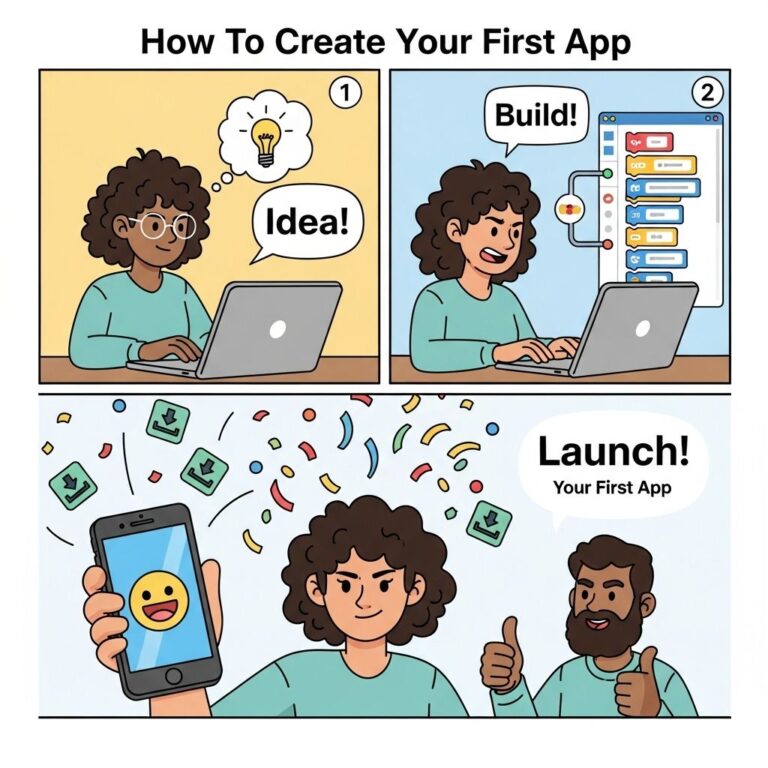
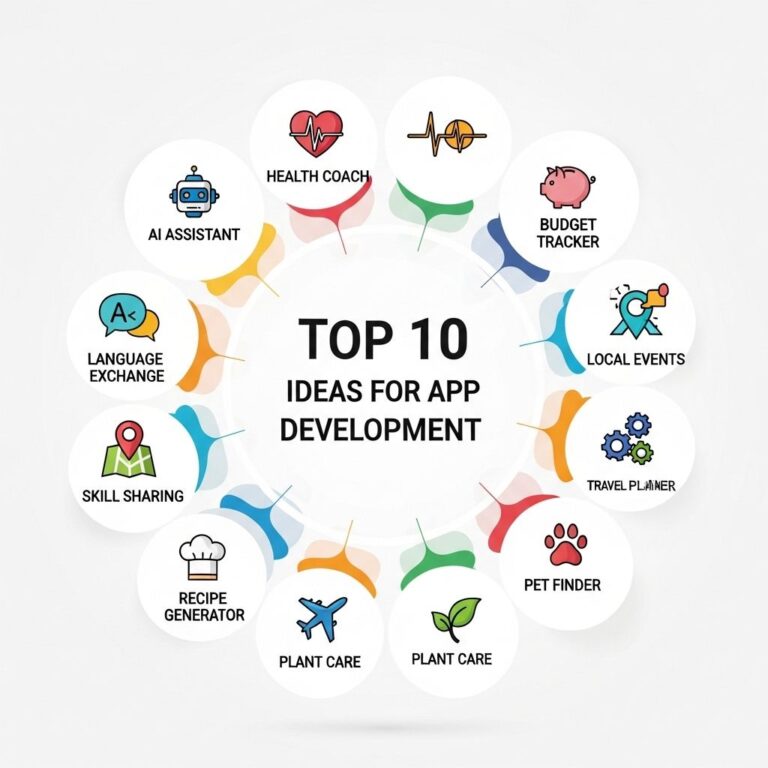
Once you have a solid understanding of the market, it’s time to define your app idea. Consider the following:
Key Components of a Successful App Idea
- Problem Solving: Ensure your app addresses a specific problem faced by users.
- Unique Selling Proposition (USP): What makes your app different from competitors?
- Target Audience: Clearly define who will benefit from your app.
Designing User Experience (UX)
A well-designed user experience can significantly enhance app engagement. Focus on creating an intuitive interface:
UX Design Principles
- Simplicity: Keep the user interface clean and straightforward.
- Consistency: Use consistent fonts, colors, and navigation throughout the app.
- Feedback: Provide users with feedback on their actions to create a sense of control.
Development Process
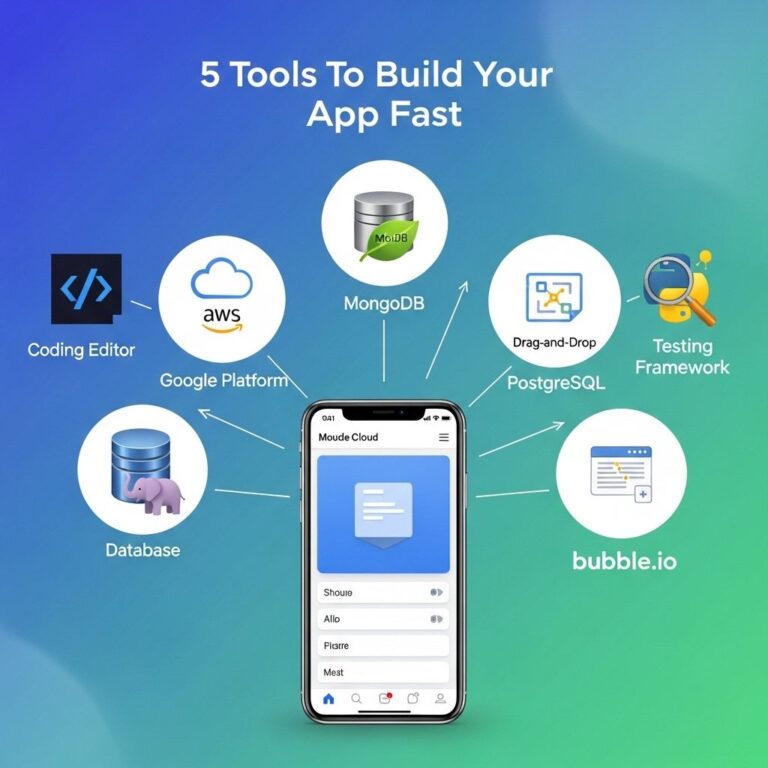
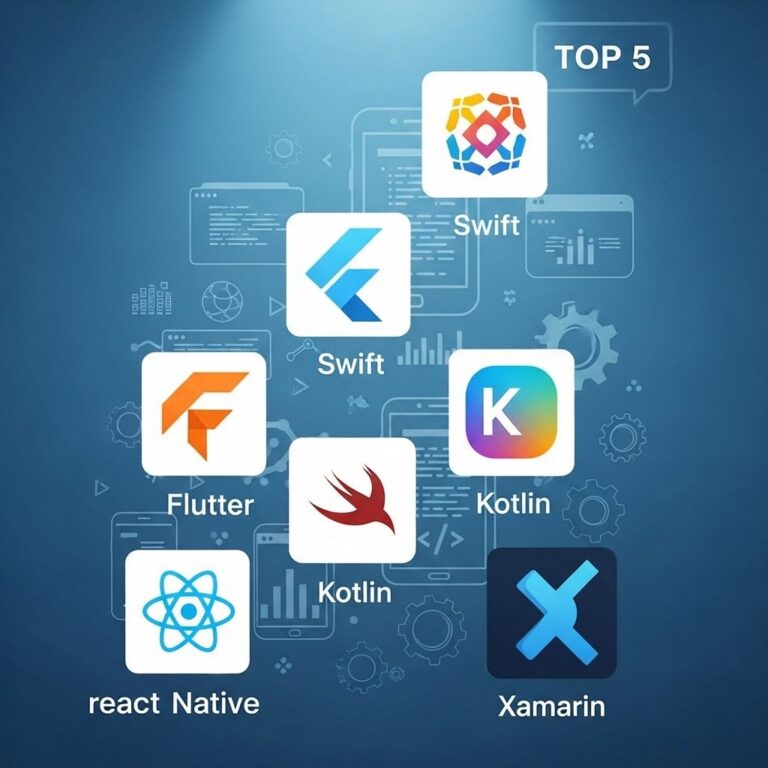
Developing an app can be done through various approaches. Here are some common methods:
Development Options
| Option | Pros | Cons |
|---|---|---|
| Native Development | High performance, best UX | Higher cost, time-consuming |
| Cross-Platform Development | Single codebase, faster deployment | May sacrifice performance |
| Low-Code Platforms | Quick to develop, easier for non-devs | Limited customization |
Monetization Strategies
A crucial step in achieving the $5,000/month target is selecting the right monetization strategy. Here are several options:
Popular Monetization Models
- Freemium: Offer a free version with premium features available for purchase.
- Subscription: Charge users a monthly or yearly fee for access to the app.
- In-App Advertising: Display ads within the app and earn revenue based on impressions or clicks.
Marketing Your App
No app can succeed without effective marketing. Consider implementing these strategies:
Marketing Tactics
- Social Media Marketing: Utilize platforms like Twitter, Instagram, and Facebook to promote your app.
- Content Marketing: Create blog posts, videos, and tutorials to drive traffic to your app.
- Influencer Partnerships: Collaborate with influencers to reach a broader audience.
App Launch
After months of planning and development, it’s finally time to launch your app. Ensure a successful launch by following these steps:
Launch Checklist
- Conduct thorough testing for bugs and performance.
- Prepare your app store listing with engaging descriptions and visuals.
- Plan a launch event or campaign to generate buzz.
Post-Launch Strategies
The work doesn’t stop after launching the app. Continuous improvement and user engagement are vital for sustained revenue. Consider the following:
Enhancing User Retention
- Regular Updates: Release updates based on user feedback.
- Engagement Strategies: Implement push notifications and in-app messages to keep users engaged.
- Customer Support: Provide excellent customer support to address user concerns promptly.
Evaluating Success Metrics
To determine if your app is on track to reach the $5,000/month goal, track key performance indicators (KPIs):
Important KPIs to Monitor
- Monthly Active Users (MAU): Measure user engagement over time.
- Churn Rate: Understand how many users stop using your app.
- Revenue Streams: Analyze which monetization methods are most effective.
Conclusion
Launching an app with the potential to generate $5,000 a month is no small feat. It requires careful planning, execution, and ongoing commitment. By understanding the market, defining a strong app idea, ensuring excellent UX, and employing effective marketing and monetization strategies, you can pave the way for your app’s success. Stay adaptable, gather user feedback, and continue to innovate, and you’ll be well on your way to achieving your financial goals in the app world.
FAQ
What are the key steps to launch a $5,000/month app?
To launch a $5,000/month app, you need to conduct market research, define your target audience, develop a business plan, create a prototype, choose the right development platform, and implement a marketing strategy.
How can I determine the profitability of my app idea?
You can determine the profitability of your app idea by analyzing market trends, conducting competitor analysis, and identifying potential revenue streams such as in-app purchases, subscriptions, or advertising.
What marketing strategies should I use to promote my app?
Effective marketing strategies include leveraging social media, content marketing, search engine optimization (SEO), influencer partnerships, and paid advertising campaigns to reach your target audience.
How much should I budget for app development?
App development costs can vary widely, but budgeting between $10,000 to $50,000 is common, depending on complexity, features, and the development team you choose.
What are the best monetization strategies for mobile apps?
Some of the best monetization strategies include freemium models, subscription services, in-app purchases, advertising, and sponsorships.
How can I ensure my app stands out in a competitive market?
To ensure your app stands out, focus on unique features, exceptional user experience, effective marketing, and gathering user feedback for continuous improvement.