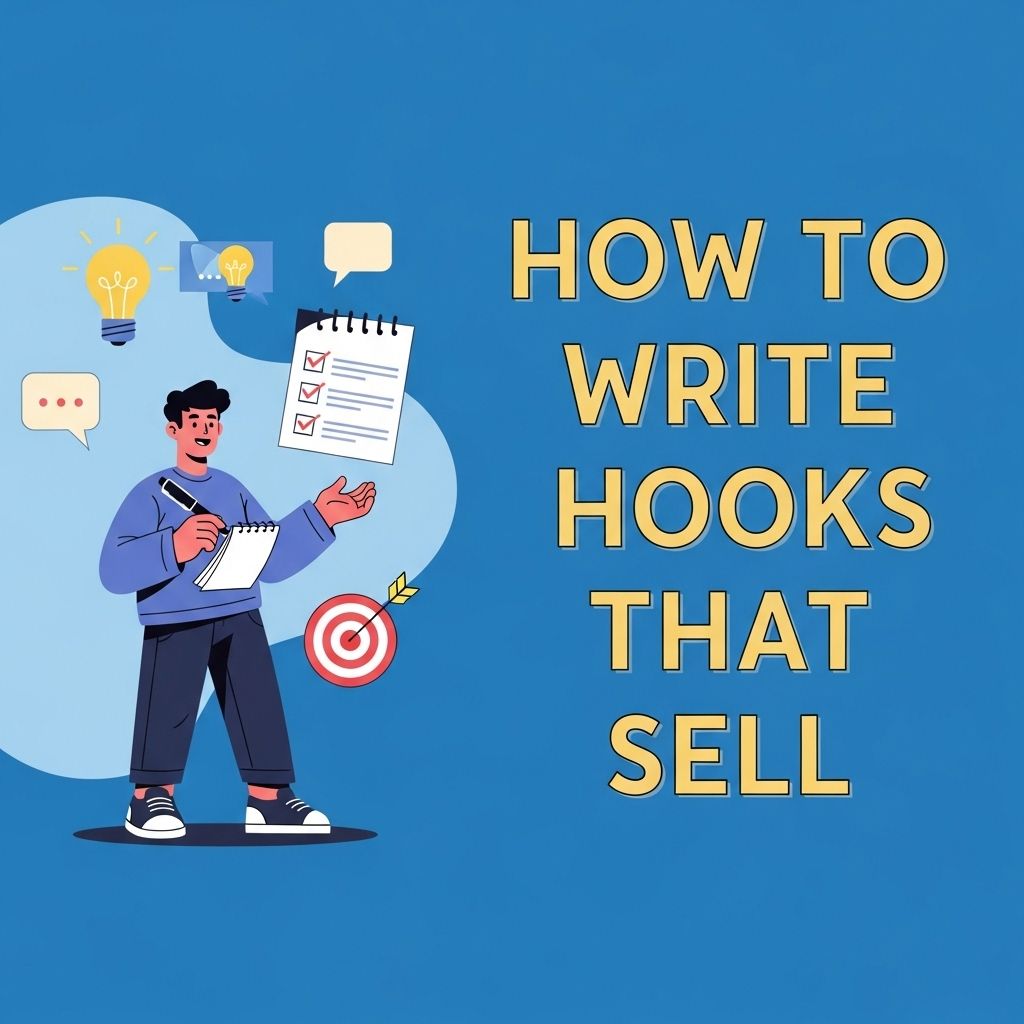
In today’s fast-paced digital landscape, capturing the attention of potential customers is more challenging than ever. With countless advertisements and content vying for attention, the ability to create compelling hooks that sell is crucial for any marketer or content creator. A hook is more than just a catchy phrase; it’s the key to drawing in your audience and compelling them to take action. In this article, we will explore various techniques and strategies to craft hooks that resonate with your target market and drive conversions.
Crafting irresistible hooks that sell is essential in today’s competitive market, especially when it comes to jar products. A compelling hook can captivate your audience and drive engagement, making your offerings stand out. For those looking to enhance their branding, resources like free jar templates can provide a solid foundation for creative presentation.
Table of Contents
Understanding the Psychology Behind Effective Hooks
The first step in crafting a sales hook is understanding the psychology that drives consumer behavior. Successful hooks often appeal to emotions, needs, and desires. Here are some psychological principles to consider:
- Emotional Appeal: Hooks that evoke strong emotions such as fear, happiness, or curiosity are more likely to capture attention.
- Relatability: A hook that speaks directly to your audience’s experiences or challenges can create an immediate connection.
- Urgency: Incorporating urgency can motivate consumers to act quickly. Phrases like “limited time offer” or “while supplies last” can instill a sense of urgency.
Components of a Successful Hook
A well-crafted hook typically consists of several crucial components. Understanding these can help you create more effective hooks:
1. A Clear Message
Your hook should convey a clear and concise message. Avoid jargon and complicated language that may confuse your audience.
2. Target Audience Awareness
Tailor your hooks to the specific demographics and psychographics of your target audience. This requires research and an understanding of what resonates with them.
3. A Unique Angle
In a crowded marketplace, a hook needs to stand out. Find a unique angle that differentiates your product or service from competitors.
4. Call to Action (CTA)
Your hook should lead naturally into a compelling call to action, encouraging the audience to take the next step, whether it be signing up, purchasing, or learning more.
Types of Hooks That Work
Various types of hooks can be employed depending on your goals and audience:
1. Question Hooks
Posing a thought-provoking question can engage your audience’s curiosity. For example:
“Are you tired of struggling with your productivity?”
2. Statistic Hooks
Using striking statistics can effectively grab attention and lend credibility. For instance:
“Did you know that 70% of people fail to stick to their goals?”
3. Story Hooks
Sharing a brief anecdote or story can create an emotional connection. This hook often draws your audience into a narrative they can relate to.
4. Benefit Hooks
Highlighting the benefits of your product can also be an effective hook. For example:
“Unlock your potential with our productivity app and achieve more in less time!”
Crafting Hooks for Different Platforms
Different platforms may require different styles of hooks. Here are some tips for crafting hooks across various platforms:
1. Social Media
On platforms like Twitter and Instagram, brevity is key:
- Use catchy phrases or hashtags.
- Incorporate visuals, as images or videos can enhance your hook.
- Consider using emojis to convey emotion and make your posts more visually appealing.
2. Email Marketing
In emails, subject lines serve as your hook:
- Keep them short and to the point.
- Personalize them when possible to increase open rates.
- Use questions or intriguing statements to pique interest.
3. Blog Posts
For blog posts, your hook can be the introductory paragraph:
- Start with a strong statement or quote.
- Ask a compelling question that the article will answer.
- Promise value early on, emphasizing what the reader will gain by continuing to read.
Testing and Refining Your Hooks
Once you’ve crafted your hooks, it’s important to test them to see which resonate best with your audience. Here are some methods to consider:
A/B Testing
Run A/B tests on different hooks to see which one performs better. Monitor metrics such as:
- Click-through rates
- Conversion rates
- Engagement levels
Analytics Tools
Utilize analytics tools to track the performance of your hooks across various channels. Tools such as Google Analytics or social media insights can provide valuable data to inform your strategy.
Examples of Successful Hooks
To inspire your own creativity, here are some successful hooks from well-known brands:
| Brand | Hook | Type |
|---|---|---|
| Apple | “Think Different” | Benefit Hook |
| Dollar Shave Club | “Our blades are f***ing great” | Question Hook |
| Nike | “Just Do It” | Call to Action Hook |
Final Thoughts
Crafting hooks that sell is both an art and a science. By understanding your audience, employing psychological principles, and being willing to test and refine your approach, you can create compelling hooks that not only attract attention but also drive action. Remember, the most effective hooks will always be those that resonate on a personal level—so put yourself in your audience’s shoes and create messages that speak to them directly.
FAQ
What are hooks in writing?
Hooks are compelling statements or questions designed to grab the reader’s attention and encourage them to read further.
Why are hooks important in sales writing?
Hooks are crucial in sales writing because they immediately engage potential customers, making them more likely to continue reading and ultimately make a purchase.
What types of hooks can be used in marketing?
Common types of hooks include shocking statistics, emotional appeals, intriguing questions, and relatable anecdotes that resonate with the target audience.
How can I create an effective hook for my product?
To create an effective hook, identify your audience’s pain points and desires, then craft a statement or question that directly addresses those needs.
Can humor be used as a hook in sales writing?
Yes, humor can be an effective hook if it aligns with your brand voice and resonates with your audience, making them feel more connected to your message.
What are some examples of successful hooks?
Successful hooks often include powerful testimonials, urgent calls to action, or surprising facts that challenge common beliefs, making them memorable and persuasive.