Indoor photography can be a challenging yet rewarding endeavor, requiring a unique set of skills and tools to capture stunning images. Whether you’re a hobbyist capturing moments in your home or a professional photographer shooting in various indoor environments, having the right equipment is crucial. In this article, we will explore five essential tools that can elevate your indoor photography game, helping you to produce amazing results regardless of your experience level.
Indoor photography can present unique challenges, but having the right tools makes all the difference. From lighting equipment to versatile camera straps, understanding the essentials is key to mastering your craft. For those looking to enhance their presentation, consider checking out these realistic bag mockup examples that can elevate your portfolio.
Table of Contents
1. Quality Camera
A good camera is the foundation of any photography setup. While smartphones have come a long way, investing in a dedicated camera can provide significantly better image quality and creative control. Here are some key features to consider when selecting a camera for indoor photography:
- Sensor Size: Larger sensors capture more light, which is vital in poorly lit conditions.
- Low-Light Performance: Look for cameras that perform well in high ISO settings.
- Lens Compatibility: Consider cameras that allow you to interchange lenses for versatility.
Recommended Cameras
| Model | Sensor Size | ISO Range |
|---|---|---|
| Canon EOS R5 | Full Frame | 100-51,200 |
| Nikon Z6 II | Full Frame | 100-51,200 |
| Sony A7 III | Full Frame | 100-51,200 |
2. Lenses: The Right Glass Matters
Choosing the right lens is crucial for indoor photography, as it can dramatically improve the quality of your shots. Here are some types of lenses that are particularly beneficial:
Prime Lenses
Prime lenses typically have wider apertures, which allow for more light to enter, making them excellent for lower light conditions. They are also known for their sharpness and image quality.
- Examples: 50mm f/1.8, 35mm f/1.4
Zoom Lenses
Zoom lenses provide versatility, enabling you to adjust your framing without changing locations. Look for fast zoom lenses that perform well in indoor settings.
- Examples: 24-70mm f/2.8, 70-200mm f/2.8
3. Tripod: Stability for Sharp Images
Using a tripod is one of the simplest ways to ensure sharp images, especially in low light. A sturdy tripod allows you to use slower shutter speeds without risking camera shake.
Key Features to Look For
- Stability: Look for a tripod that can support the weight of your camera and lens.
- Height Adjustability: A flexible height adjustment is important for different shooting angles.
- Portability: Lightweight options are great for on-the-go shooting.
Popular Tripods
| Model | Weight Capacity | Weight |
|---|---|---|
| Manfrotto Befree Advanced | 8.8 lbs | 3.2 lbs |
| Gitzo Series 1 Traveler | 39.7 lbs | 3.7 lbs |
| Benro Adventure Series | 44 lbs | 4.4 lbs |
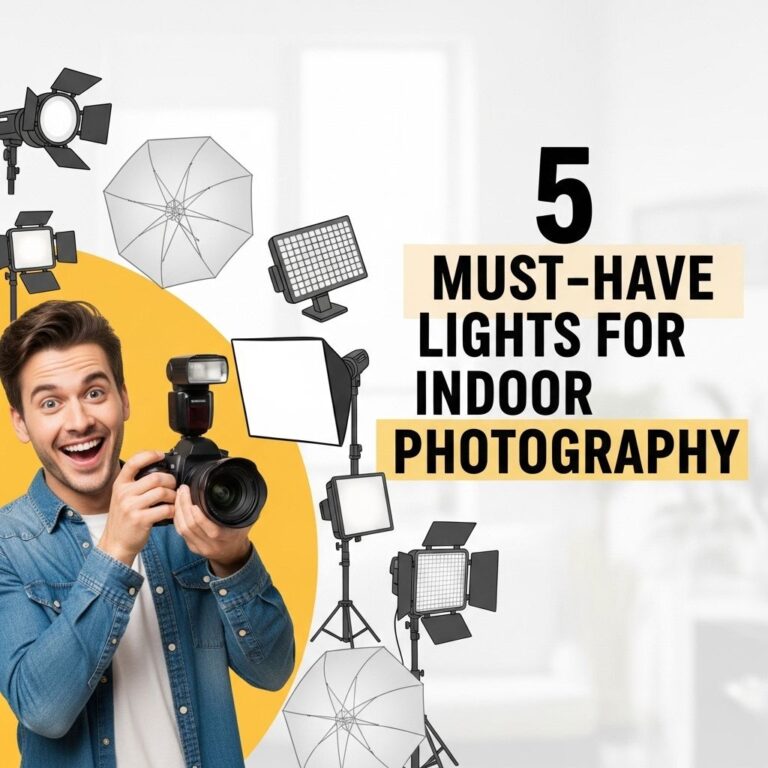
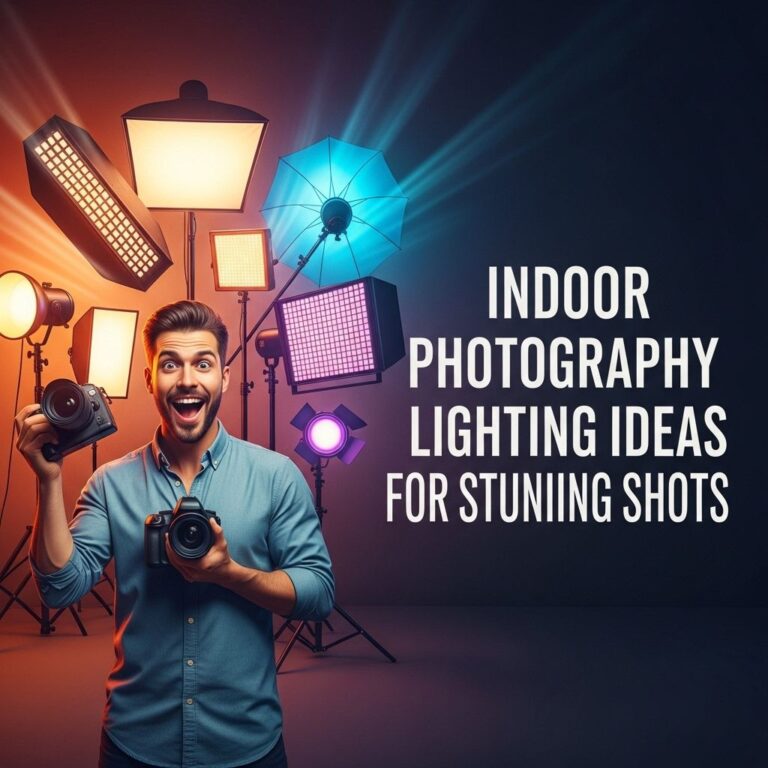
4. Lighting Equipment: Mastering Indoor Lighting
Indoor settings often lack sufficient natural light, making artificial lighting tools essential for great photography. Here are some lighting tools that can enhance your indoor shoots:
Speedlights
Speedlights are compact external flash units that can be mounted on your camera. They are great for adding light to your scene without needing large studio setups.
Continuous Lights
Continuous lighting provides a constant light source, making it easier to see how the light interacts with your subject. This can be particularly helpful when working with products or during portrait sessions.
Light Modifiers
Using softboxes, umbrellas, or reflectors can help diffuse light and soften shadows, resulting in a more pleasing image quality.
5. Photo Editing Software: The Final Step
After capturing images, editing software plays a crucial role in the final presentation of your work. High-quality editing tools can take your photos from good to outstanding.
Popular Editing Software
- Adobe Lightroom: Excellent for batch processing and color correction.
- Adobe Photoshop: Offers extensive editing capabilities for more complex adjustments.
- Capture One: Known for its raw processing and tethering capabilities, ideal for studio work.
Editing Tips
- Start with color correction to ensure accurate tones.
- Use cropping and straightening tools to improve composition.
- Experiment with exposure adjustments to enhance details in shadows and highlights.
By combining these essential tools, photographers can significantly enhance their indoor photography experience. The right camera and lenses provide the foundation, while tripods and lighting equipment ensure stability and illumination. Finally, editing software allows for the final polish to truly make your images shine. As you continue to develop your skills and explore the world of indoor photography, remember that experimentation and practice are key to finding your style and voice.
FAQ
What are the best camera settings for indoor photography?
For indoor photography, use a wide aperture (f/1.8 to f/4) to allow more light, a higher ISO (800 to 3200 depending on the lighting), and a slower shutter speed to capture more detail.
How important is lighting in indoor photography?
Lighting is crucial in indoor photography. Natural light is ideal, but if unavailable, consider using softbox lights or LED panels to create a well-lit environment.
What type of lens is best for indoor photography?
A prime lens with a large aperture (like a 50mm f/1.8) is great for indoor photography as it allows for better low-light performance and creates a beautiful depth of field.
How can I minimize noise in my indoor photos?
To minimize noise in indoor photos, use the lowest ISO possible, shoot in RAW format, and apply noise reduction during post-processing.
What accessories are essential for indoor photography?
Essential accessories for indoor photography include a tripod for stability, reflectors to bounce light, and a remote shutter release to prevent camera shake.