Indoor photography presents unique challenges and opportunities for capturing stunning images. With the right techniques and a little creativity, you can produce breathtaking photos that showcase your subject in the best light—literally! This article provides essential tips to enhance your indoor photography skills, ensuring you can take full advantage of the available environment.
Indoor photography can present unique challenges, but with the right approach, you can capture stunning images. Here are five essential tips to enhance your indoor photography skills and make the most of your creative environment. For inspiration, check out these realistic bag mockup examples.
Table of Contents
Understanding Natural Light
One of the most critical aspects of indoor photography is understanding how to manipulate natural light. Here are some pointers:
- Identify Light Sources: Assess the room to find windows and doors that provide natural light. The time of day dramatically affects the quality and direction of this light.
- Use Soft Light: Soft, diffused light is often more flattering for portrait photography. Consider using sheer curtains to soften harsh sunlight.
- Watch for Shadows: Be mindful of how shadows fall in your composition. Avoid placing your subject in a way that harsh shadows dominate the image.
- Golden Hour: Take advantage of the golden hour—shortly after sunrise or before sunset—for warm, pleasing light.
Choosing the Right Equipment
Your choice of equipment can significantly influence the quality of your indoor photos. Here’s what to consider:
Camera Settings
Modern cameras allow for various settings that can help when shooting in lower light conditions:
- ISO Settings: Increase your ISO to make your camera more sensitive to light, but be cautious of introducing noise at higher settings.
- Aperture: Use a wide aperture (low f-stop number) to create a shallow depth of field, isolating your subject from distracting backgrounds.
- Shutter Speed: A slower shutter speed can help in low light but may lead to motion blur. Use a tripod to stabilize your shots.
Lenses
The lens you choose can also affect composition:
| Lens Type | Best For |
|---|---|
| Prime Lenses | Low-light situations, portraits |
| Wide-Angle Lenses | Capturing more of a scene, small spaces |
| Macro Lenses | Close-up photography |
Composition Techniques
Great indoor photography goes beyond just technical skills; composition plays a vital role. Here are some techniques to enhance your compositions:
Rule of Thirds
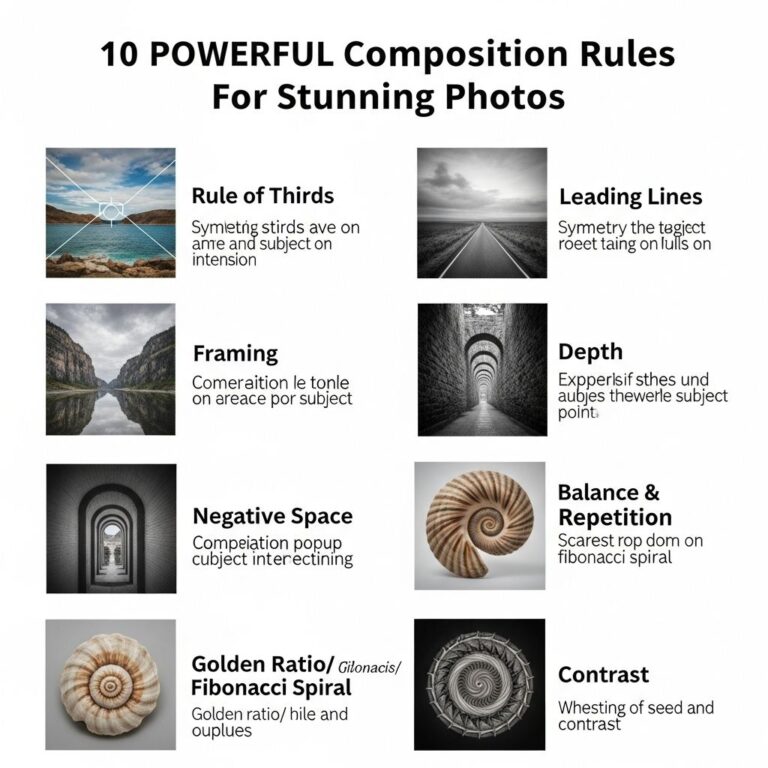
Utilize the rule of thirds by dividing your frame into a 3×3 grid. Place your subject along these lines or at their intersections to create a more balanced composition.
Leading Lines
Use lines within the environment (like furniture, walls, or flooring) to lead the viewer’s eye toward your subject.
Framing
Look for natural frames in your environment (like doorways or windows) to draw attention to your subject.
Styling Your Scene
The aesthetic value of your indoor photography can be enhanced significantly by styling your scene. Here are some tips:
- Declutter: Remove unnecessary items that distract from your main subject to create a clean and focused composition.
- Props: Integrate props that add interest or context. This could include books, blankets, or plants depending on your theme.
- Color Harmony: Choose a color palette that complements your subject. This can make your photos more visually appealing.
Post-Processing Tips
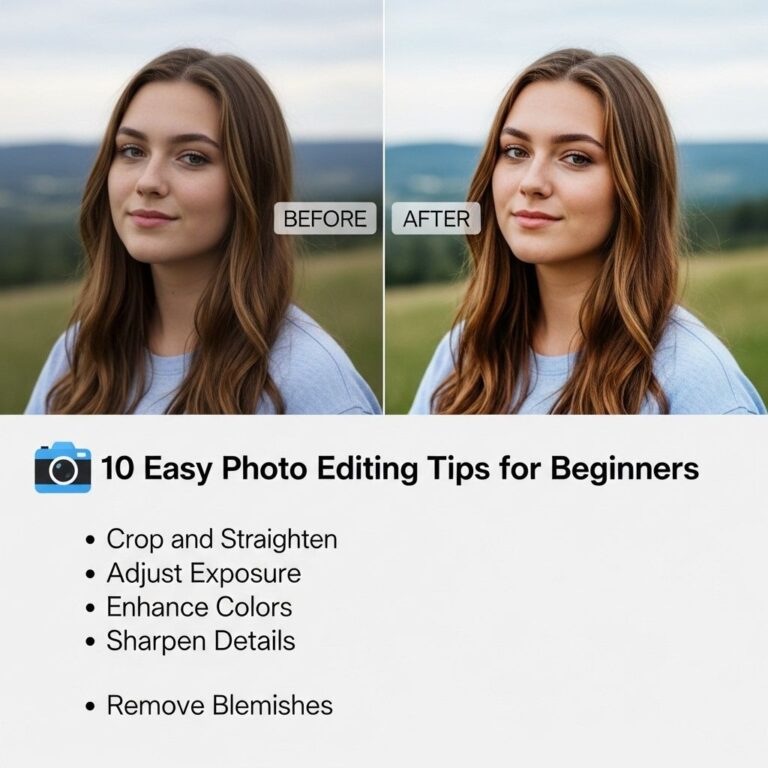
Post-processing can breathe life into your indoor images and is an essential part of modern photography. Consider these techniques:
Software Options
There are many software options available for editing:
- Adobe Lightroom: Great for global adjustments and batch processing.
- Adobe Photoshop: Ideal for more intricate edits and retouching.
- Capture One: Known for its color grading capabilities and tethering options.
Editing Techniques
Some editing techniques to try include:
- Adjust Exposure: Brighten up images that appear too dark.
- Modify Contrast: Increase contrast to add depth and dimension to your images.
- Color Correction: Ensure colors are accurate and as you intended by adjusting white balance and saturation.
Practice and Experiment
Ultimately, the best way to improve your indoor photography skills is through regular practice and experimentation. Try different techniques, settings, and compositions. Don’t be afraid to push the boundaries of traditional photography:
- Explore various genres: portrait, still life, and even lifestyle photography within your indoor spaces.
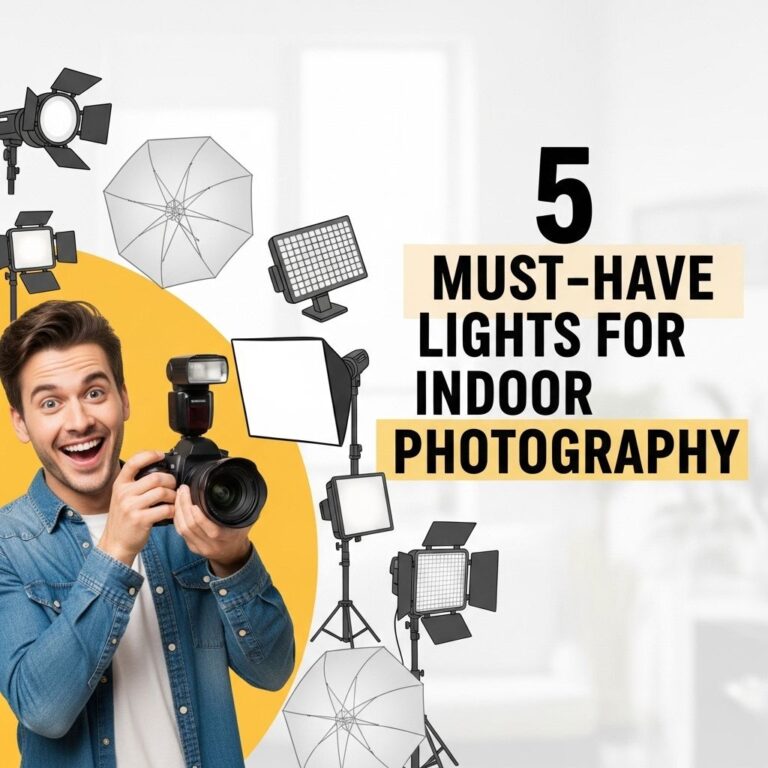
- Experiment with different lighting setups including artificial lights, flash, or reflectors to see how they change your images.
- Review your work critically and seek feedback from fellow photographers to further refine your skills.
Conclusion
Indoor photography can be incredibly rewarding, provided you understand how to use light, equipment, and composition effectively. By implementing these essential tips, you can enhance your indoor photography skills and create stunning visual narratives that capture the essence of your subjects. Remember, the key to true success in photography lies in practice, patience, and a willingness to learn and adapt.
FAQ
What are the best camera settings for indoor photography?
For indoor photography, use a wide aperture (f/2.8 or lower) to allow more light, a higher ISO (800-1600) to capture details in low light, and a slower shutter speed to avoid motion blur.
How can I improve lighting for indoor photography?
To improve lighting, utilize natural light from windows, incorporate artificial lights like softboxes or LED panels, and consider using reflectors to bounce light and reduce shadows.
What type of lens is best for indoor photography?
A prime lens with a wide aperture (like 50mm f/1.8) is ideal for indoor photography, as it allows for better low-light performance and creates a beautiful background blur.
How do I compose a great indoor photograph?
To compose a great indoor photograph, follow the rule of thirds, use leading lines to guide the eye, and consider the background to avoid distractions.
What is the importance of white balance in indoor photography?
White balance is crucial in indoor photography to ensure colors appear natural and true to life; adjust it based on your light source, such as tungsten or fluorescent.
How can I avoid camera shake in indoor photography?
To avoid camera shake, use a tripod or stabilize your camera on a solid surface, and consider using image stabilization features if available.