Indoor photography presents unique challenges and opportunities that can either make or break a shot. Whether you’re aiming to capture the cozy ambiance of a home, the vibrant atmosphere of a party, or the candid moments of everyday life, mastering the art of indoor photography is essential. In this article, we’ll explore essential tips to elevate your indoor photography skills, helping you create stunning images that stand out in any setting.
Indoor photography can be both rewarding and challenging, requiring a keen eye for detail and an understanding of light. To help you capture stunning images within your own home or studio, we’ve compiled 10 essential tips that will enhance your indoor photography skills. For those interested in showcasing their work, using bag mockups for branding can add a professional touch to your portfolio.
Table of Contents
Understanding Lighting
One of the most critical aspects of indoor photography is lighting. Unlike outdoor photography, where natural light is abundant, indoor environments often require more effort to illuminate your subject effectively.
Utilizing Natural Light
Natural light is your best friend for indoor photography. Here are some tips for optimizing its use:
- Positioning: Place your subject near windows to take advantage of soft, diffused daylight.
- Timing: Shoot during the golden hour (early morning or late afternoon) for the warmest tones.
- Reflectors: Use reflectors to bounce light back onto your subject, minimizing harsh shadows.
Artificial Lighting Techniques
If natural light isn’t sufficient, consider these artificial lighting options:
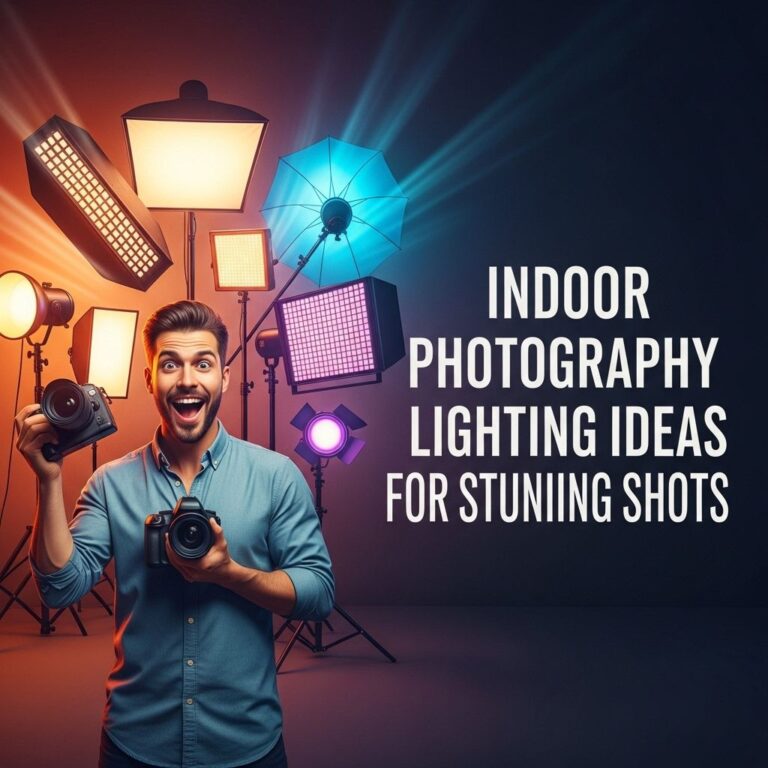
- Softboxes: Provide even, soft light that mimics natural daylight.
- LED Lights: Adjustable and portable, they can be placed strategically around your subject.
- Flash: Use a diffuser with your flash to soften the light and prevent harsh highlights.
Camera Settings
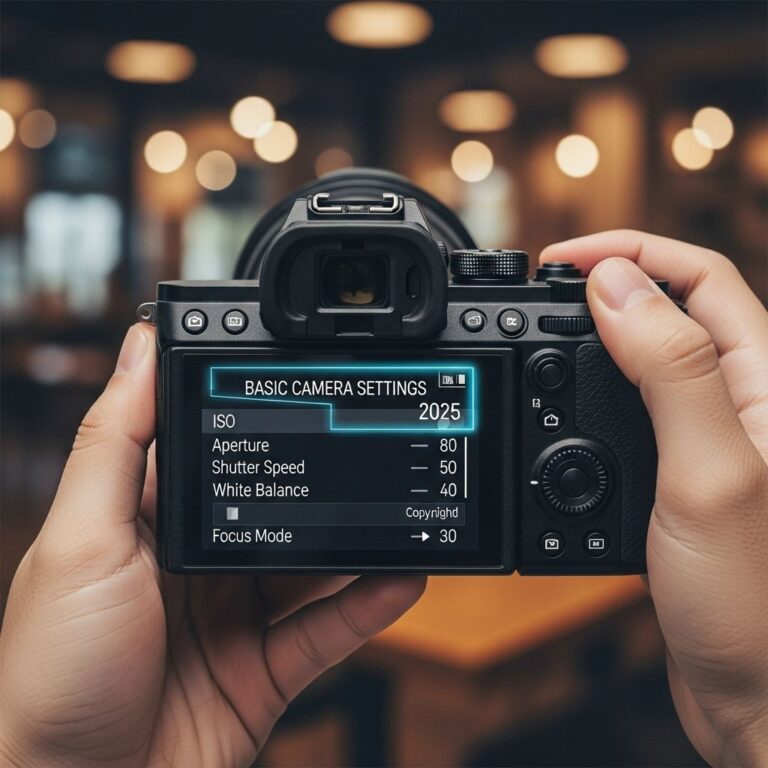
To achieve the best results, you need to understand your camera settings and how they impact your photos.
ISO Settings
Indoor lighting conditions often require higher ISO settings to avoid motion blur. However, be mindful of the noise that high ISO can introduce. A good starting point is:
| Lighting Condition | Suggested ISO |
|---|---|
| Bright Window Light | 100-400 |
| Dim Indoor Light | 800-1600 |
| Very Low Light | 3200+ |
Aperture and Shutter Speed
Your aperture and shutter speed also play a vital role in capturing sharp images:
- Aperture: Use a wide aperture (f/1.8 to f/4) to create a shallow depth of field, blurring the background and emphasizing your subject.
- Shutter Speed: Ensure that your shutter speed is fast enough to freeze motion, especially in low light. A speed of 1/60s or faster is often recommended.
Composition Techniques
Good composition can dramatically enhance your photographs. Here are a few key techniques to consider:
Rule of Thirds
Apply the rule of thirds to create balanced images. Imagine dividing your frame into a 3×3 grid and place your subject along the grid lines or at their intersections.
Leading Lines
Use leading lines to draw the viewer’s eye into the photograph. This could be a hallway, staircase, or even the angle of furniture.
Props and Backgrounds
Enhancing your indoor photography can often be as simple as improving the scene around your subject.
Choosing the Right Props
Incorporate props to add interest to your photos. Here are some ideas:
- Bookshelves filled with colorful books
- Decorative plants for a fresh touch
- Textiles like blankets or cushions for texture
Background Considerations
A cluttered background can distract from your subject. Here are tips for effective backgrounds:
- Solid Colors: Use solid-colored walls or backdrops to emphasize your subject.
- Blurred Backgrounds: Utilize a wide aperture to create a bokeh effect, keeping the focus on your subject.
Post-Processing Techniques
Post-processing is a crucial step in indoor photography that allows you to enhance your images further.
Editing Software
Choose software that suits your skill level, such as:
- Adobe Lightroom: Great for beginners and professionals alike, it offers comprehensive editing tools.
- Photoshop: For advanced editing and manipulation.
Common Edits to Consider
Here are some common edits you might apply:
- Adjusting exposure and contrast
- Correcting white balance
- Cropping for better composition
Experiment and Practice
Finally, the most important tip is to keep experimenting and practicing. Try different settings, compositions, and lighting scenarios to discover what works best for you.
Challenge Yourself
Set challenges for yourself, such as:
- Shooting in different rooms of your home
- Using only one light source
- Focusing on a specific subject for a week
Join Online Communities
Engage with other photographers in online forums or social media groups. Sharing your work and receiving feedback can greatly enhance your skills.
Indoor photography can be challenging but immensely rewarding. With the right techniques, tools, and creativity, you can capture stunning images that tell a story and evoke emotions. So grab your camera, experiment with the tips outlined in this article, and start creating beautiful indoor photographs!
FAQ
What are the best camera settings for indoor photography?
For indoor photography, use a wide aperture (f/2.8 or lower), a higher ISO (800-1600), and a slower shutter speed (1/60s or slower) to capture more light.
How can I improve lighting in indoor photography?
Use natural light from windows, add external light sources like lamps or flash, and consider using reflectors to bounce light onto your subject.
What props can enhance indoor photography?
Consider using items like plants, books, and textured fabrics to add depth and interest to your indoor shots.
How do I avoid blurry images in indoor photography?
To avoid blur, stabilize your camera on a tripod, increase your shutter speed, or use image stabilization features if available.
What is the importance of composition in indoor photography?
Good composition helps guide the viewer’s eye, creates balance, and enhances the overall aesthetic of your indoor photos.
How can I effectively use colors in indoor photography?
Use contrasting colors to make your subject stand out, and consider the mood you want to convey when choosing your color palette.