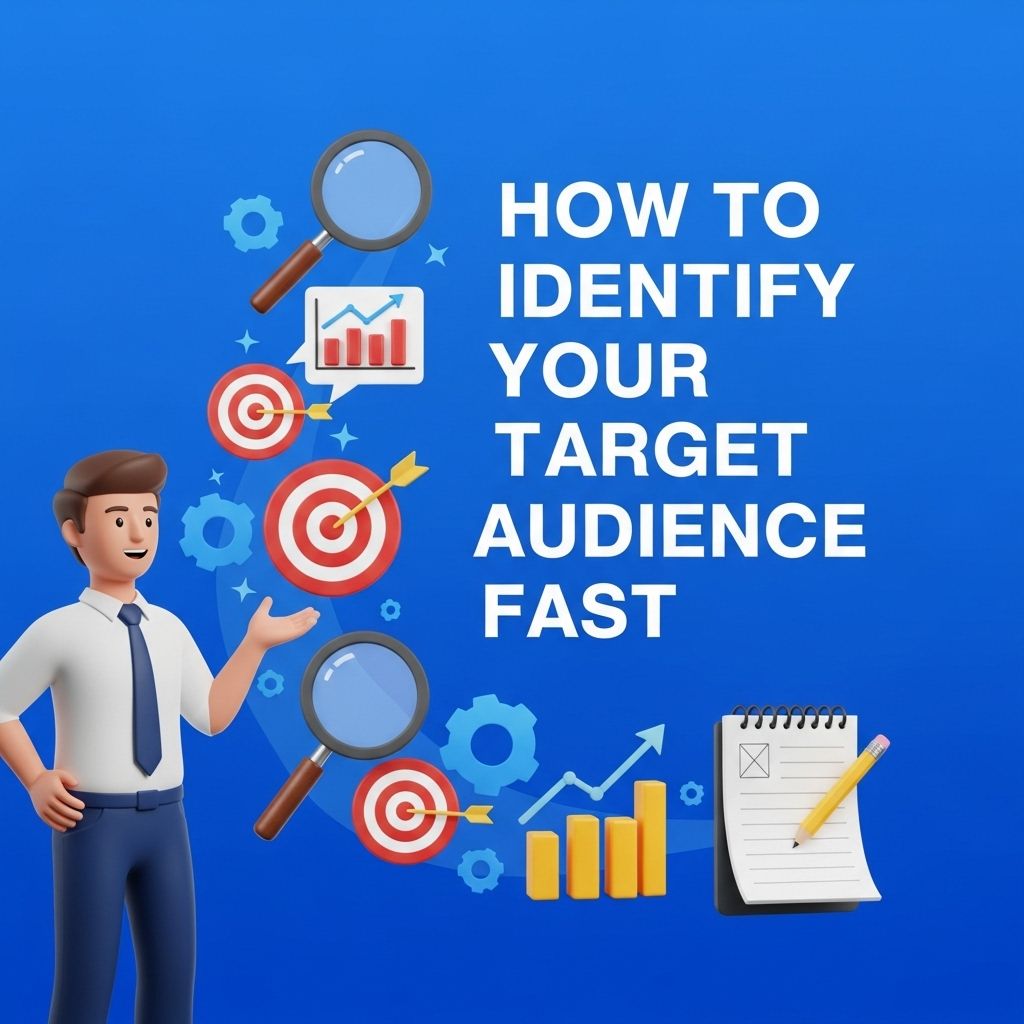
In today’s fast-paced digital landscape, understanding your target audience is essential for businesses and marketers. Knowing who your audience is can significantly enhance your marketing strategies and lead to higher engagement and conversion rates. However, identifying this audience quickly and effectively can be a challenge. In this article, we’ll explore some actionable strategies and tools that you can employ to pinpoint your target audience in a fraction of the time.
Table of Contents
Understanding the Importance of Identifying Your Target Audience
Your target audience comprises the specific group of consumers most likely to be interested in your product or service. Identifying this group allows you to tailor your messaging, marketing efforts, and product development to meet their needs and preferences. Here are some key reasons why this process is critical:
- Enhanced Marketing Efficiency: Knowing exactly who to target helps in optimizing your marketing budget.
- Improved Customer Relationships: Tailored communications foster better relationships with your audience.
- Increased Conversion Rates: By reaching the right people, you’re more likely to convert leads into customers.
Steps to Identify Your Target Audience
Identifying your target audience doesn’t have to be a lengthy process. Here’s a systematic approach you can employ:
1. Analyze Your Existing Customers
Your current customer base can provide invaluable insights into who your target audience may be. Start with the following:
- Compile demographic data: Age, gender, location, income level, etc.
- Examine purchasing behaviors: What products are they buying and why?
- Gather feedback: Use surveys or interviews to understand customer preferences.
2. Conduct Market Research
Market research can reveal broader trends and help identify potential audience segments. Here are some methods:
- Surveys and Questionnaires: Use tools like Google Forms or SurveyMonkey to gather data.
- Focus Groups: Organize sessions with diverse groups to gather qualitative insights.
- Industry Reports: Utilize reports from organizations like Nielsen or Statista for statistical data.
3. Utilize Analytical Tools
Modern analytics tools can help you dig deeper into your audience’s online behaviors:
| Tool | Purpose |
|---|---|
| Google Analytics | Analyze website traffic and user demographics. |
| Facebook Audience Insights | Understand audience traits on social media platforms. |
| SEMrush | Keyword research and competition analysis. |
4. Create Buyer Personas
Buyer personas are fictional representations of your ideal customers. They guide your marketing strategies. Here’s how you can create effective buyer personas:
- Define demographic details: Age, job title, education, location.
- Identify pain points: Understand what challenges they face.
- Map their journey: Consider how they make purchasing decisions.
Utilizing Social Media for Audience Insights
Social media platforms are treasure troves of data about your potential audience. Here’s how to leverage them:
Analyzing Engagement and Interactions
Look at how users engage with your posts:
- What type of content gets the most engagement?
- Which demographics tend to interact more frequently with your brand?
Participating in Relevant Communities
Joining groups or forums related to your industry can provide direct insights:
- Observe discussions to grasp audience interests and concerns.
- Engage with users to collect qualitative data.
Leveraging Competitor Analysis
Your competitors can also offer insights into potential audience segments:
Identifying Competitor Audiences
Examine the audience your competitors engage with:
- Review their social media followers.
- Analyze their content: What topics resonate with their audience?
- Read customer reviews to learn about their audience’s desires.
Testing and Refining Your Audience Identification
Once you’ve gathered data and created a preliminary audience profile, it’s crucial to test and refine your assumptions:
1. A/B Testing Campaigns
Run A/B tests on different segments of your audience to identify which group responds better:
- Create multiple ad sets targeting different demographics.
- Analyze conversion rates to determine effectiveness.
2. Continuous Feedback Loop
Establish a system for ongoing feedback from customers:
- Regular surveys can provide fresh insights.
- Monitor social media trends for shifts in audience preferences.
Conclusion
Identifying your target audience swiftly can significantly impact your business success. By leveraging existing customers, conducting thorough market research, utilizing analytical tools, and engaging through social media, you can create a well-defined audience profile. Continuous testing and refinement will ensure you adapt to changing audience dynamics effectively. Embrace these strategies to elevate your marketing efforts and drive better business outcomes.
FAQ
What is a target audience?
A target audience refers to a specific group of consumers that a business aims to reach with its products or services.
Why is it important to identify your target audience?
Identifying your target audience is crucial for effective marketing, as it helps tailor your messaging and offerings to meet the specific needs and preferences of your ideal customers.
What are some quick methods to identify my target audience?
You can identify your target audience quickly by analyzing existing customer data, conducting surveys, utilizing social media insights, and researching competitor audiences.
How can customer personas help in identifying a target audience?
Customer personas provide detailed profiles of your ideal customers, helping you understand their demographics, behaviors, and pain points, which aids in effectively identifying your target audience.
What role does market research play in targeting an audience?
Market research provides valuable insights into consumer trends, preferences, and demographics, enabling businesses to define and refine their target audience more accurately.
Can I change my target audience over time?
Yes, your target audience can evolve based on market changes, product developments, and consumer feedback, so it’s important to reassess and adapt regularly.