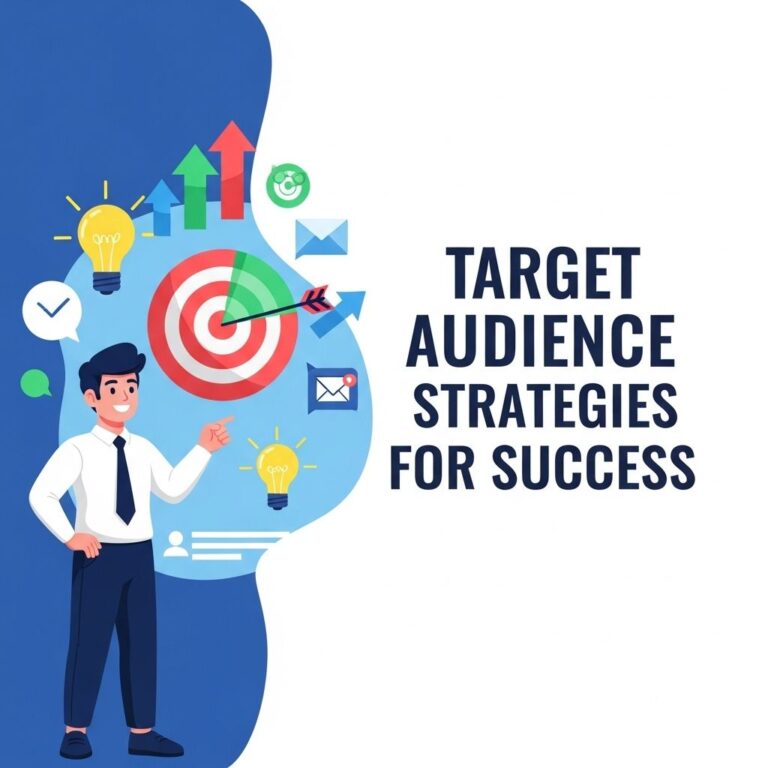
In the ever-evolving landscape of digital marketing, understanding your target audience is paramount to the success of your brand. Crafting campaigns that resonate with customers hinges on your ability to identify who they are, what they want, and how they behave online. This article will guide you through five powerful steps to identify your target audience effectively, enabling you to fine-tune your marketing efforts for maximum impact.
Table of Contents
Step 1: Define Your Product or Service
The first step in identifying your target audience is to clearly define the product or service you are offering. This involves understanding not just what you sell, but the problem it solves for potential customers. Consider the following:
- Features: List the characteristics of your product or service.
- Benefits: Describe the benefits that the features provide to customers.
- Unique Selling Proposition (USP): What makes your offering stand out from the competition?
Once you have a clear understanding of your product, you can begin to identify the audience that will benefit most from it.
Step 2: Conduct Market Research
Market research is a critical component of understanding your audience. It involves gathering information about potential customers, current trends, and the competitive landscape. Here are some effective methods of conducting market research:
Surveys
Create and distribute surveys to gather direct feedback from potential customers. Use platforms like Google Forms or SurveyMonkey to reach a wider audience.
Interviews
Conduct one-on-one interviews with existing customers or prospects. This qualitative method provides deeper insights into customer motivations and preferences.
Competitor Analysis
Analyze your competitors to see who their target audience is. Tools like SEMrush or Ahrefs can help you uncover their marketing strategies and target demographics.
Step 3: Create Customer Personas
With the data collected from your research, the next step is to create detailed customer personas. These are semi-fictional representations of your ideal customers based on real data and educated guesses. Each persona typically includes:
- Demographic Information: Age, gender, location, education level, and income.
- Psychographics: Interests, values, lifestyle choices, and purchasing behavior.
- Challenges: Pain points or problems that your product or service can solve.
Below is an example of a customer persona template:
| Attribute | Description |
|---|---|
| Name | Eco-conscious Emily |
| Age | 28 |
| Location | San Francisco, CA |
| Occupation | Marketing Manager |
| Interests | Sustainability, travel, healthy living |
| Challenges | Finding eco-friendly products that are also stylish |
Step 4: Analyze Online Behavior
Understanding how your audience interacts with your brand online is essential for tailoring your marketing strategies. Utilize analytics tools to gather data about their behavior:
Website Analytics
Use Google Analytics or similar tools to track user behavior on your website. Look for:
- Page views
- Average session duration
- Bounce rates
- Conversion rates
Social Media Insights
Examine your social media platforms to understand which posts resonate most with your audience. Check for:
- Engagement rates (likes, shares, comments)
- Follower demographics
- Traffic driven to your website from social channels
Step 5: Continuously Refine Your Target Audience
Identifying your target audience is not a one-time task. As markets evolve and consumer behaviors change, you need to continuously refine your understanding of your audience. Here are some tips for ongoing analysis:
- Regularly Update Customer Personas: As you gather more data, revisit and modify your personas to reflect new insights.
- Monitor Industry Trends: Stay informed about changes in your industry that could affect consumer preferences.
- Engage with Your Audience: Maintain communication with your audience through newsletters, social media, and feedback forms to keep a pulse on their evolving needs.
By following these steps, you can effectively identify and understand your target audience, allowing you to create tailored marketing strategies that resonate deeply with them. With the right knowledge and tools, your business can thrive in a competitive market.
FAQ
What are the key steps to identify my target audience?
The key steps include researching demographics, analyzing customer behavior, creating buyer personas, utilizing market segmentation, and gathering feedback.
Why is it important to know my target audience?
Knowing your target audience helps tailor your marketing strategies, improve product development, and enhance customer engagement.
How can demographics help in identifying my target audience?
Demographics provide insights into age, gender, income, and education levels, allowing you to understand who your potential customers are.
What role do buyer personas play in targeting an audience?
Buyer personas are semi-fictional representations of your ideal customers, helping you visualize and understand their needs, preferences, and behaviors.
How can I use social media to identify my target audience?
Social media analytics can reveal valuable data on user engagement and preferences, helping you identify trends and characteristics of your target audience.
What tools can assist in audience research?
Tools like Google Analytics, social media insights, surveys, and market research reports can help you gather data to identify your target audience.