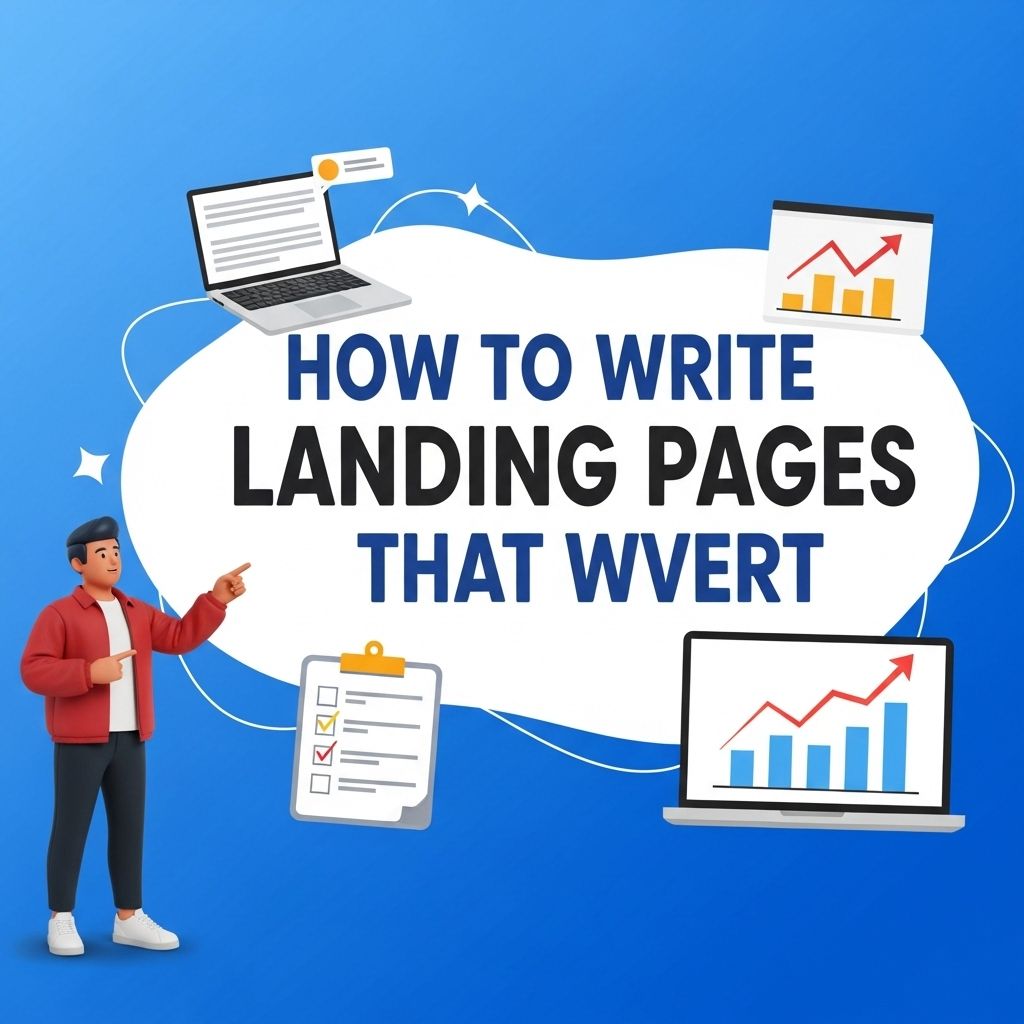
In the digital marketing landscape, a landing page serves as a crucial gateway for converting visitors into customers. A well-optimized landing page can dramatically increase your conversion rates, making it a fundamental aspect of any successful online strategy. Whether you’re promoting a product, offering a service, or capturing leads, crafting a compelling landing page can be the difference between a bounce and a sale.
Crafting high-converting landing pages starts with understanding your audience and creating a compelling narrative that speaks to their needs. Utilizing engaging visuals, such as versatile jar illustrations, can effectively capture attention and enhance user experience, ultimately driving conversions.
Table of Contents
Understanding the Essentials of Landing Page Design
Before diving into the creation process, it’s essential to understand what makes an effective landing page. The primary goal is to persuade the visitor to take a specific action, whether it’s signing up for a newsletter, downloading a whitepaper, or completing a purchase.
Key Components of a Successful Landing Page
- Headline: Create a clear and captivating headline that grabs attention.
- Subheadline: Provide a supporting statement that elaborates on the main benefit.
- Call to Action (CTA): Use a strong, clear CTA that tells visitors exactly what to do.
- Visuals: Incorporate high-quality images or videos that support your message.
- Social Proof: Include testimonials, reviews, or case studies to build trust.
- Minimal Distractions: Limit navigation options to keep the focus on the CTA.
The Structure of an Effective Landing Page
Understanding the structure of your landing page is vital for guiding the visitor’s journey. A well-structured page provides a logical flow, leading the visitor to act.
1. The Above-the-Fold Area
This is the first section a visitor will see, so make it count. It should include:
- A compelling headline
- A subheadline that conveys the value proposition
- A strong CTA button
2. The Body Content
Here, you can dive deeper into what you’re offering. Consider the following:
- Explain the benefits, not just the features.
- Use bullet points for easy readability.
- Make it easy to skim.
3. Visual Elements
Images and videos can enhance your message and provide more engagement. Ensure they are relevant and high-quality.
4. The Footer
Don’t forget the footer, which can contain:
- Links to privacy policy and terms of service.
- Contact information.
- Additional CTAs if applicable.
Writing Copy That Converts
The copy you write for your landing page can significantly impact conversion rates. Here are some tips to create compelling copy:
Focus on Benefits Over Features
While features are important, benefits resonate more with potential customers. Always frame your messaging around how your product or service improves their lives.
Use Persuasive Language
Utilize emotional triggers within your copy. Words like “exclusive,” “limited time,” and “guaranteed” can create a sense of urgency or desire.
Implement A/B Testing
To optimize your landing page, conduct A/B tests. Test different headlines, CTA buttons, images, and copy to see what performs best. Some aspects to consider include:
- Headlines
- CTA text and placement
- Image types
Optimizing for SEO
Even a great landing page needs traffic. Implement best SEO practices to ensure it is easily discoverable:
Keyword Research
Identify relevant keywords that your target audience is searching for. Use tools like Google Keyword Planner or SEMrush to find suitable keywords.
On-Page SEO
Incorporate keywords naturally into:
- The headline and subheadline
- The body content
- Image alt tags
- The meta description
Utilizing Analytics
Track the performance of your landing page using analytics tools like Google Analytics or Hotjar. Pay attention to metrics like:
| Metric | Description |
|---|---|
| Bounce Rate | Percentage of visitors who leave without taking action. |
| Conversion Rate | Percentage of visitors who complete the desired action. |
| Page Views | The number of times visitors view your landing page. |
Enhancing User Experience
A seamless user experience is vital for converting visitors. Here are some best practices:
Responsive Design
Ensure your landing page is mobile-friendly since many users access websites via mobile devices. Use responsive design frameworks for optimal performance across devices.
Fast Loading Times
Optimize images and scripts to reduce loading times. A slow page can lead to increased bounce rates.
Clear Navigation
Keep navigation simple. If the main goal is to convert, minimize distractions by limiting links and buttons.
Incorporating Trust Signals
Building trust is crucial for conversion, and incorporating trust signals can help achieve this:
Testimonials and Reviews
Showcase positive feedback from satisfied customers. This social proof can alleviate doubts and encourage new visitors.
Security Badges
If you’re handling sensitive information, display security badges to assure visitors that their data is safe.
Conclusion
Creating landing pages that convert is a blend of art and science. By focusing on clear messaging, strong CTAs, user experience, and data-driven optimizations, you can significantly enhance your chances of turning visitors into customers. Remember, continuous testing and iteration are key to staying relevant and effective in today’s fast-paced digital environment. Start implementing these strategies in your landing pages, and watch your conversion rates soar.
FAQ
What are the key elements of a high-converting landing page?
A high-converting landing page typically includes a compelling headline, a clear call-to-action (CTA), persuasive copy, relevant images or videos, social proof, and an easy-to-navigate design.
How important is the headline on a landing page?
The headline is crucial as it is the first thing visitors see. A strong, attention-grabbing headline can significantly impact conversion rates by encouraging visitors to stay and read more.
What role does a call-to-action play in landing page conversions?
A call-to-action (CTA) guides visitors on what to do next. A well-placed, compelling CTA can drive conversions by making it easy for users to take the desired action, whether it’s signing up, purchasing, or downloading.
How can I use social proof to enhance my landing page?
Social proof, such as testimonials, reviews, and case studies, can build trust and credibility. Including real user experiences and endorsements can reassure potential customers and encourage them to convert.
What are some common mistakes to avoid when creating landing pages?
Common mistakes include overly cluttered designs, weak headlines, unclear CTAs, lack of mobile optimization, and not addressing the target audience’s pain points or needs.
How can I test the effectiveness of my landing page?
You can use A/B testing to compare different versions of your landing page. Monitor metrics such as conversion rates, bounce rates, and user engagement to determine which variations perform better.