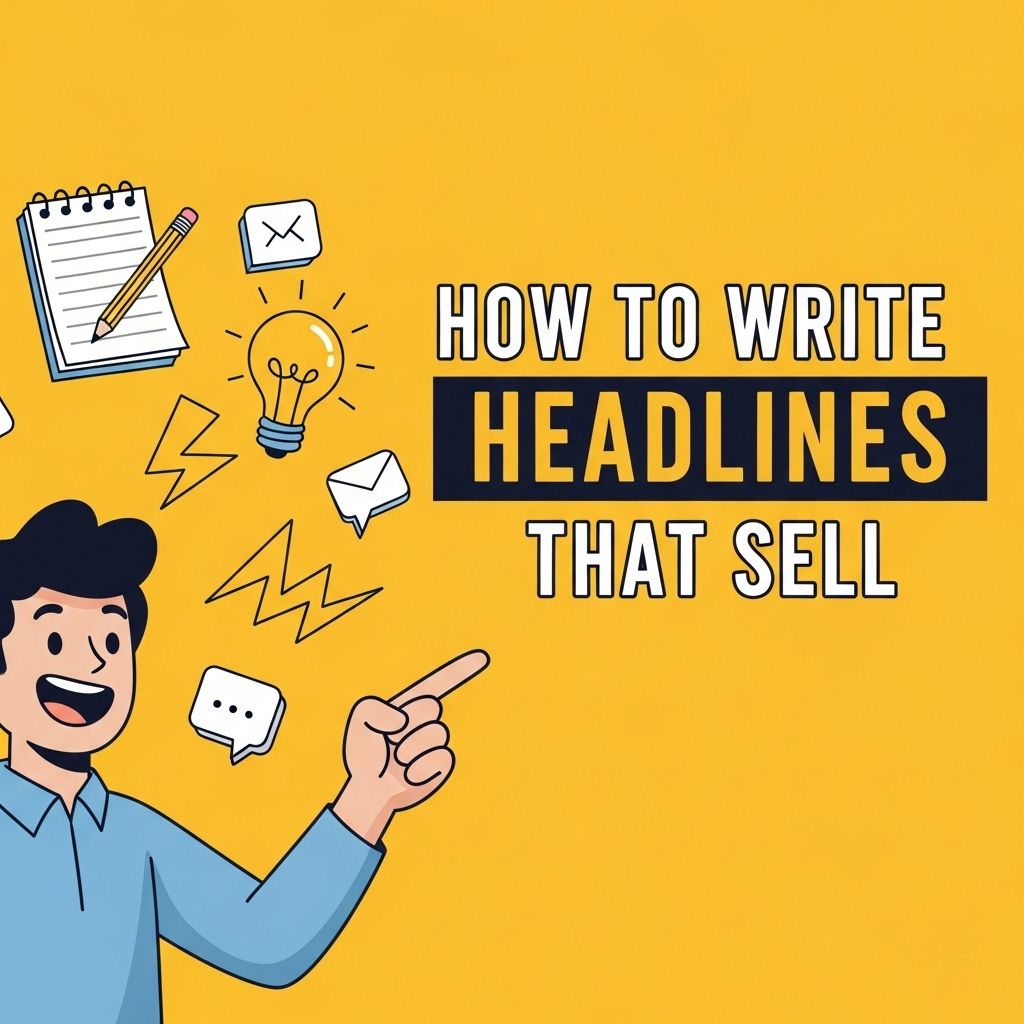
Crafting compelling headlines is an art that can significantly impact your content’s engagement and conversion rates. In a world saturated with information, a well-written headline serves as the key to grabbing attention, sparking curiosity, and ultimately driving action. Whether you’re writing a blog post, an article, or an ad, the importance of a headline cannot be overstated. This guide will explore various techniques, strategies, and examples to help you write headlines that not only attract clicks but also convert readers into customers.
Table of Contents
The Psychology Behind Headlines
Understanding the psychological triggers that influence how readers respond to headlines is crucial for crafting effective ones. Here are some key elements:
- Curiosity: A headline that piques interest encourages readers to learn more.
- Emotional Connection: Headlines that evoke emotions can enhance engagement.
- Clarity: Clear and concise headlines communicate the value proposition upfront.
- Urgency: Phrases that create a sense of urgency can prompt immediate action.
Types of Headlines That Work
There are various types of headlines, each serving a different purpose. Here are some effective styles:
1. How-To Headlines
These headlines promise valuable information or solutions:
- Examples:
- “How to Increase Your Website Traffic in 30 Days”
- “How to Master Public Speaking in 5 Easy Steps”
2. List Headlines
List headlines grab attention and promise bite-sized information:
- Examples:
- “7 Proven Strategies for Effective Email Marketing”
- “10 Must-Have Tools for Freelancers”
3. Question Headlines
Asking a question can engage readers and make them curious:
- Examples:
- “Are You Making These Common SEO Mistakes?”
- “What’s the Secret to Writing Compelling Content?”
4. Command Headlines
These headlines urge readers to take action, often combined with a benefit:
- Examples:
- “Unlock Your Full Potential with These 5 Techniques”
- “Transform Your Life: Start Your Morning Routine Now”
Best Practices for Writing Headlines
To ensure your headlines resonate with your target audience, consider the following best practices:
1. Use Powerful Words
Incorporating strong, descriptive language can evoke emotions and draw readers in. Some powerful words include:
| Word Type | Examples |
|---|---|
| Action Verbs | Boost, Discover, Unleash, Transform |
| Adjectives | Essential, Ultimate, Proven, Exclusive |
2. Keep It Short and Sweet
Aim for headlines that are between 6-12 words. This length is ideal for clarity and impact:
- Shorter headlines are easier to read.
- They also perform better in search results.
3. Incorporate Keywords
Using relevant keywords in your headlines can improve SEO and make it easier for your audience to find you. Focus on:
- Identifying target keywords.
- Including them naturally in your headline.
- Avoiding keyword stuffing.
4. Test and Analyze
Headlines can be tested for effectiveness through A/B testing. This involves:
- Creating two variations of a headline.
- Measuring their performance based on click-through rates.
- Analyzing the results to determine the winner.
Examples of Effective Headlines
To illustrate the principles discussed, here are some examples of headlines that work:
Successful How-To Headlines
- “How to Save Money on Groceries Without Sacrificing Quality”
- “How to Build a Thriving Online Community from Scratch”
Engaging List Headlines
- “15 Life Hacks You Wish You Knew Sooner”
- “8 Simple Steps to Create a Business Plan”
Thought-Provoking Question Headlines
- “What If You Could Work Remotely Forever?”
- “Is Your Morning Routine Sabotaging Your Productivity?”
Conclusion
In conclusion, writing headlines that sell is an indispensable skill for anyone involved in content creation. By understanding the psychology behind headlines, utilizing various types and best practices, and continuously testing and analyzing your efforts, you can create compelling headlines that not only capture attention but also drive action. Remember, your headline is often the first impression a reader has of your content, so invest the time to craft it carefully. Start experimenting today and watch your engagement soar!
FAQ
What are the key elements of a compelling headline?
A compelling headline should be clear, concise, and captivating. It should convey the main benefit or value of the content, use strong action words, and evoke curiosity or emotion.
How can I make my headlines more engaging?
To make your headlines more engaging, consider using numbers, questions, or powerful adjectives. Incorporating phrases that promise a solution or benefit can also increase engagement.
Should I use keywords in my headlines for SEO?
Yes, using relevant keywords in your headlines is important for SEO. This helps search engines understand the content and improves the chances of your articles being found by users.
What are some examples of effective headlines?
Effective headlines often include phrases like ’10 Tips for…’, ‘How to…’, or ‘The Ultimate Guide to…’. These formats promise value and attract attention.
How can I test different headlines for effectiveness?
You can test different headlines by using A/B testing on your website or social media. Create two versions of your content with different headlines and see which one performs better.
What mistakes should I avoid when writing headlines?
Avoid using clickbait tactics that mislead readers, overly complex language, and vague terms. Ensure your headlines accurately reflect the content to build trust with your audience.