In the expansive world of graphic design, a portfolio serves as a visual resume, showcasing an artist’s creativity, skills, and range of work. For both aspiring designers and seasoned professionals, a compelling portfolio is essential to attract clients and job opportunities. Whether you’re looking to revamp your existing portfolio or build one from scratch, the following ideas will help you create a stunning graphic design portfolio that stands out.
Creating a standout graphic design portfolio requires creativity and innovation. Explore diverse ways to showcase your skills, from interactive web designs to unique print formats. For inspiration, consider incorporating social media templates that highlight your designs in a real-world context.
Table of Contents
1. Embrace Minimalism
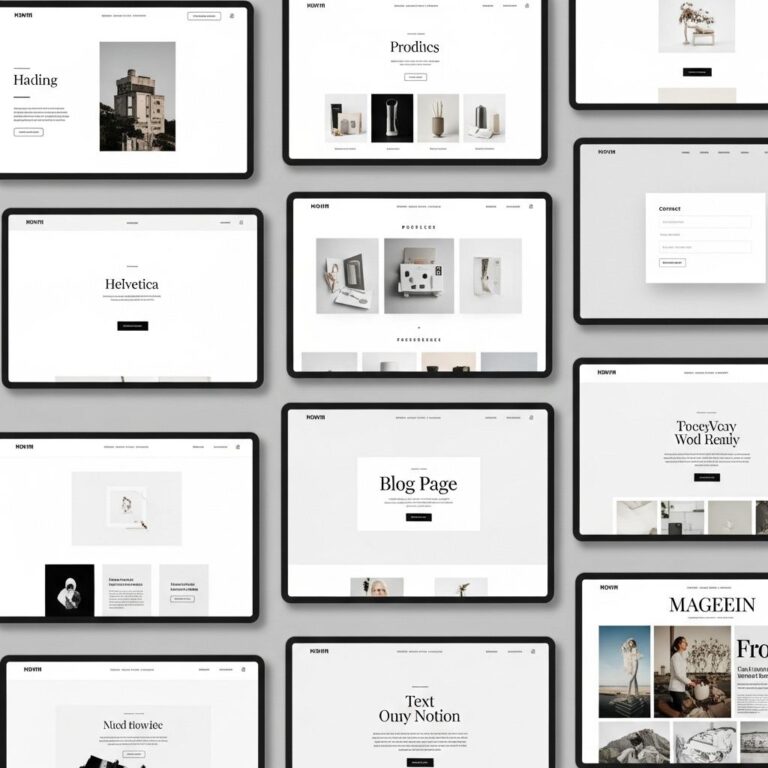
Minimalism in design is characterized by simplicity and the use of limited elements to create a powerful impact. A minimalist portfolio can help your work shine without distractions. Key components of a minimalist design include:
- Ample white space
- Basic color schemes
- Simple typography
By focusing on fewer pieces of work, you can provide detailed context and descriptions for each project, making it easier for viewers to appreciate your craftsmanship.
2. Tell Your Story
Your portfolio should not only showcase your work but also tell a story about who you are as a designer. Consider incorporating:
- A personal bio: Share your design philosophy and journey.
- Case studies: Provide an in-depth look at selected projects, detailing your design process, challenges faced, and solutions implemented.
- A blog section: Write articles about design trends, your experiences, or critiques of existing works in the industry.
Example Structure for a Case Study
- Project Overview
- Goals and Objectives
- Research and Inspiration
- Design Process
- Final Outcome
3. Include Interactive Elements
Incorporating interactivity into your portfolio can elevate the user experience. Consider adding:
- Hover effects to reveal additional information about your pieces.
- Clickable prototypes that allow users to engage with your designs.
- Animated transitions to create a smooth and seamless navigation experience.
4. Showcase a Variety of Skills
Your portfolio should reflect the breadth of your capabilities. Include different types of work such as:
| Type of Work | Brief Description |
|---|---|
| Branding | Logos, business cards, and brand identity projects. |
| Print Design | Brochures, posters, and packaging designs. |
| Digital Design | Websites, mobile applications, and social media graphics. |
| Illustrations | Custom illustrations or patterns used in various designs. |
5. Use High-Quality Images
High-resolution images are crucial for creating a professional portfolio. Ensure that:
- Images are clear and well-lit.
- You showcase your work in context, such as product mockups or lifestyle images.
- Images are optimized for web to ensure fast loading times.
6. Highlight Client Testimonials
Adding testimonials from clients can enhance your credibility. Consider including:
- Short quotes from clients praising your work.
- Links to projects or case studies linked with the testimonial.
- Logos or names of brands you’ve collaborated with.
7. Focus on User Experience
A well-structured portfolio enhances user experience. Keep the following in mind:
- Intuitive navigation: Use clear labels for sections and maintain consistency throughout.
- Responsive design: Ensure your portfolio looks great on both desktop and mobile devices.
- Fast-loading pages: Optimize images and minimize the use of heavy scripts.
8. Experiment with Different Formats
Consider presenting your portfolio in various formats to appeal to different audiences, such as:
- A PDF version for easy sharing during interviews.
- A dedicated website with an interactive interface.
- Simplified versions for specific roles or industries.
9. Keep It Updated
Regularly updating your portfolio is vital to keep it fresh and relevant. Here are some tips:
- Remove older works that no longer reflect your current skill level.
- Add new projects as you complete them.
- Revise descriptions and case studies to reflect your evolving design process.
10. Network and Seek Feedback
Your portfolio is also a tool for networking. Engage with other designers and professionals by:
- Sharing your portfolio on social media platforms.
- Attending design meetups and conferences.
- Seeking feedback from peers and mentors to improve your work.
In conclusion, a well-crafted graphic design portfolio is not just a collection of your work but a reflection of your unique design identity. By incorporating these ideas, you can create a portfolio that captivates viewers and highlights your strengths as a designer. Remember, the key is to present your work in a way that resonates with your audience while showcasing your creativity and skillset.
FAQ
What are some creative graphic design portfolio ideas?
Consider showcasing personal projects, branding case studies, or interactive web designs to highlight your skills and creativity.
How can I make my graphic design portfolio stand out?
Incorporate unique layouts, use high-quality images, and include a variety of work that demonstrates your versatility and style.
Should I include client work in my graphic design portfolio?
Yes, including client work can demonstrate your ability to meet real-world needs and collaborate with businesses effectively.
How often should I update my graphic design portfolio?
Regularly update your portfolio whenever you complete new projects or refine existing ones to keep it fresh and relevant.
What should I include in the introduction of my graphic design portfolio?
Include a brief bio, your design philosophy, and what makes you unique as a designer to engage potential clients and employers.
Is it important to have an online graphic design portfolio?
Absolutely, an online portfolio allows you to reach a wider audience and makes it easier for potential clients to view your work.