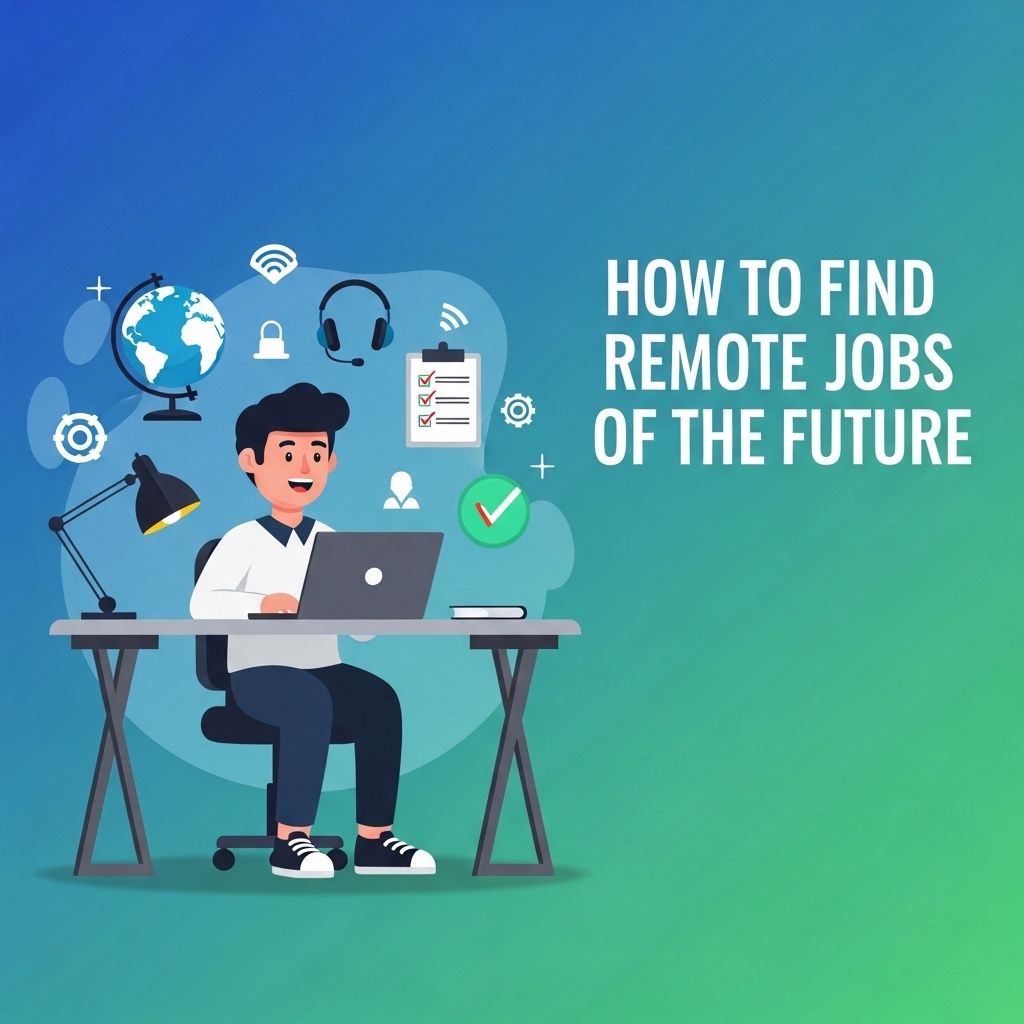
As the landscape of work continues to evolve, remote job opportunities have become a significant part of our professional lives. The pandemic accelerated a shift that many companies were already adapting to, making remote work not just a temporary solution but a long-term option. This article will explore the various avenues you can pursue to find remote jobs of the future, equipping you with the tools and strategies necessary to thrive in a digital workspace.
Table of Contents
Understanding the Remote Job Market
The remote job market is characterized by flexibility, diversity, and an ever-growing demand for skilled professionals. Companies now seek talent beyond geographical boundaries, leading to a plethora of opportunities across various sectors. However, to navigate this landscape effectively, it’s essential to understand its dynamics.
Current Trends in Remote Work
- Increased adoption of cloud technologies and collaborative tools.
- Focus on outcome-based work rather than time-based.
- Emphasis on cybersecurity as remote work becomes the norm.
- Growth of freelance and gig economy roles.
These trends indicate a shift towards a more decentralized workforce, where skills and results matter more than physical presence.
Popular Industries Offering Remote Roles
Numerous industries are embracing remote work, including:
| Industry | Examples of Roles |
|---|---|
| Technology | Software Developer, Data Scientist |
| Marketing | Content Writer, SEO Specialist |
| Customer Service | Support Specialist, Account Manager |
| Education | Online Tutor, Course Developer |
Where to Find Remote Job Listings
Finding remote jobs requires a targeted approach. Here are some effective resources to explore:
Job Boards and Websites
- Remote.co: A dedicated platform for remote jobs across various functions.
- We Work Remotely: Focused exclusively on remote job listings.
- FlexJobs: A subscription-based service that curates high-quality remote jobs.
- LinkedIn: Utilize the search filters to find remote work listings tailored to your skills.
Networking and Social Media
Leveraging your network can be a powerful way to uncover job opportunities:
- Join industry-specific groups on LinkedIn or Facebook.
- Attend virtual conferences and webinars to connect with industry leaders.
- Engage with relevant content on social media to build your presence and attract opportunities.
Crafting a Standout Remote Job Application
Once you find opportunities that interest you, a compelling application is crucial. Here are essential components to consider:
Resume Tailoring
Your resume should reflect your remote work capabilities. Highlight relevant skills such as:
- Communication Tools (e.g., Slack, Zoom)
- Project Management Software (e.g., Trello, Asana)
- Self-Motivation and Discipline
- Collaboration and Teamwork Skills
Cover Letter Strategies
Your cover letter should address your ability to work independently. Consider including:
- Specific examples of remote work experience.
- Your approach to managing time and projects remotely.
- A brief mention of how you can contribute to the company’s goals.
Preparing for Remote Interviews
Interviews for remote positions may differ from traditional ones. Here’s how to prepare:
Technical Setup
Ensure that your technology is up to par:
- Test your internet connection.
- Familiarize yourself with the video conferencing tool being used.
- Have a quiet, well-lit space prepared for the interview.
Common Remote Interview Questions
Be prepared for questions that assess your fit for remote work:
- How do you prioritize your tasks while working from home?
- Describe a challenge you faced while working remotely and how you overcame it.
- What tools do you use to stay organized and collaborate with teammates?
Best Practices for Thriving in a Remote Role
Securing a remote job is just the beginning. Here are best practices to excel in a remote work environment:
Establishing a Routine
Consistency is key in remote work. A well-defined routine helps maintain productivity. Consider:
- Designating specific work hours.
- Incorporating regular breaks to avoid burnout.
- Creating a morning routine to start your day effectively.
Effective Communication
Communication is vital when working remotely. Embrace tools and strategies that enhance it:
- Stay active on team communication platforms.
- Schedule regular check-ins with your manager and colleagues.
- Utilize video calls for more personal interactions.
Continuous Learning and Development
Remote work often allows for flexibility in learning. Invest time in upskilling by:
- Taking online courses relevant to your field.
- Reading industry-related articles and publications.
- Participating in professional webinars and discussions.
Conclusion
The future of remote work holds immense potential for professionals looking to expand their careers. By understanding the market, utilizing the right resources, and preparing thoroughly, you can find and excel in remote jobs that not only suit your skills but also align with your lifestyle. Embrace the flexibility and opportunities that remote work brings, and take proactive steps to carve out a successful career in this evolving landscape.
FAQ
What are the best platforms to find remote jobs?
The best platforms to find remote jobs include websites like Remote.co, We Work Remotely, FlexJobs, and LinkedIn. These sites specialize in remote job listings across various industries.
How can I tailor my resume for remote job applications?
To tailor your resume for remote jobs, highlight skills that are essential for remote work such as communication, time management, and self-motivation. Include any previous remote work experience and be sure to mention relevant technologies you are familiar with.
What types of jobs are most commonly available for remote work?
Common types of jobs available for remote work include positions in IT, customer service, marketing, writing, graphic design, and project management. Many industries are increasingly offering remote options.
How do I prepare for a remote job interview?
To prepare for a remote job interview, ensure you have a quiet and professional space for the interview, test your technology in advance, and practice answering common interview questions while emphasizing your remote work skills.
What skills are essential for succeeding in a remote job?
Essential skills for succeeding in a remote job include strong communication, self-discipline, time management, adaptability, and proficiency with digital collaboration tools.
How can I stay motivated while working remotely?
To stay motivated while working remotely, set a structured daily routine, create a dedicated workspace, take regular breaks, and stay connected with colleagues through virtual meetings or chats to maintain a sense of community.