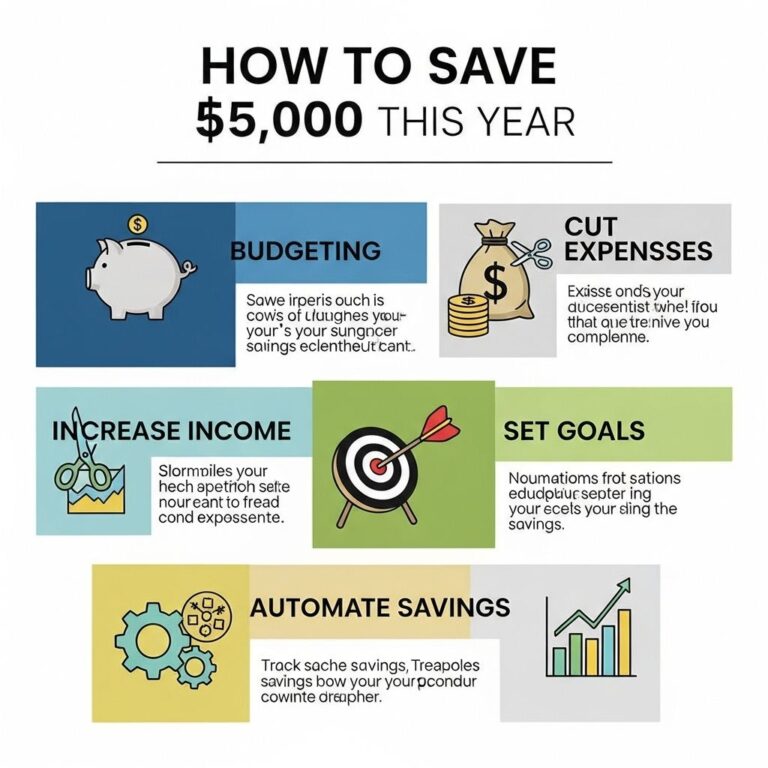
In today’s fast-paced world, saving money can often feel like a daunting task. However, with a little creativity and effort, it can transform into a fun and rewarding experience. Whether you’re aiming to build an emergency fund, save for a vacation, or just tighten your budget, there are numerous innovative strategies you can employ. This article explores ten enjoyable ways to save money this year, making your financial journey both effective and entertaining.
Saving money doesn’t have to be a daunting task; with a little creativity, you can discover fun and engaging ways to cut costs this year. From implementing DIY projects to exploring budget-friendly hobbies, there are countless strategies to enhance your financial health while still enjoying life. For instance, creative packaging solutions like jar packaging mockups can inspire small businesses to save on presentation costs.
Table of Contents
1. Gamify Your Savings
Turning saving money into a game can significantly increase your motivation. Here are a few ideas:
- Savings Challenges: Participate in a 52-week savings challenge where you save an increasing amount of money each week.
- Coin Jar: Every time you receive change, toss it into a jar. At the end of the year, use it for a special treat or investment.
- Apps for Savings: Utilize apps that gamify savings, offering rewards or points for achieving certain financial goals.
2. Explore DIY Projects
Learning how to create or fix things on your own can save you a considerable amount. Consider the following:
Popular DIY Projects
| Project | Potential Savings |
|---|---|
| Home Repairs | $100-$500+ |
| Furniture Upcycling | $50-$300 |
| Homemade Gifts | $20-$200 |
With numerous tutorials online, you can tackle anything from sewing your own clothes to building furniture. Tools such as YouTube and Pinterest make it easy to find step-by-step guides.
3. Utilize Cashback and Rewards Programs
Maximizing cashback offers and rewards can lead to significant savings over time. Consider these options:
Types of Cashback Programs
- Credit Card Rewards: Use credit cards that offer cashback on particular categories, such as groceries or gas.
- Online Shopping Extensions: Install browser extensions like Rakuten or Honey that automatically apply cashback offers at checkout.
- Loyalty Programs: Sign up for loyalty programs at your favorite stores to earn points that can be redeemed for discounts or freebies.
4. Plan Your Meals Effectively
Meal planning can drastically reduce food expenses. This technique allows you to make smarter decisions and minimize waste. Here are steps to implement:
- Weekly Menu: Create a weekly menu based on what’s on sale at your local grocery store.
- Batch Cooking: Prepare meals in bulk and freeze them for later use.
- Grocery List: Always shop with a list to avoid impulse purchases.
5. Embrace Minimalism
Adopting a minimalist lifestyle can lead to better financial health. Consider these benefits:
Benefits of Minimalism
- Reduced Spending: By focusing on essential items, you will naturally spend less.
- Less Clutter: A decluttered space can lead to a decluttered mind and better decision-making.
- Improved Savings: The money saved from not buying unnecessary items can be redirected towards savings.
6. Cut Down on Subscriptions
In the age of streaming services and subscription boxes, it’s easy to forget what you’re paying for. Here’s how to streamline your subscriptions:
Steps to Review Subscriptions
- Assess Your Needs: Make a list of all subscriptions and determine which ones you genuinely use.
- Cancel Unused Services: Eliminate subscriptions that you don’t use frequently.
- Consider Sharing: Use family plans or share subscriptions with friends to reduce costs.
7. Use Public Transportation
Switching to public transportation instead of driving can have significant financial benefits. Consider the following:
Cost Comparisons
| Expense Category | Cost with Driving | Cost with Public Transport |
|---|---|---|
| Fuel | $100/month | $30/month |
| Insurance | $150/month | $0 |
| Maintenance | $50/month | $0 |
By using buses, trains, or subways, you not only save money but also contribute to reducing your carbon footprint.
8. Set Financial Goals
Creating clear financial goals can provide direction in your savings journey. Follow these guidelines:
How to Set Financial Goals
- SMART Goals: Make sure your goals are Specific, Measurable, Achievable, Relevant, and Time-bound.
- Prioritize Goals: List your goals from most to least important.
- Track Progress: Regularly review your goals to stay motivated and make adjustments as necessary.
9. Buy Secondhand
Purchasing secondhand items is a sustainable way to save money while also being eco-friendly. Here’s how:
Where to Find Secondhand Deals
- Thrift Stores: Check out local thrift shops for clothing, furniture, and household items.
- Online Marketplaces: Utilize platforms like eBay, Craigslist, or Facebook Marketplace for a wide range of items.
- Garage Sales: Hunt for neighborhood garage sales where you can find treasures at low prices.
10. Learn About Investing
Investing is not just for the wealthy; it’s an avenue for everyone to grow their money. Consider these tips:
Getting Started with Investing
- Educate Yourself: Read books or take online courses to understand basic investment principles.
- Start Small: Begin by investing small amounts in index funds or ETFs to minimize risk.
- Diversify: Spread out your investments across various asset classes to create a balanced portfolio.
By incorporating these ten fun and engaging strategies into your financial routine, you can effectively save money this year while enjoying the process. Start today, and you may find that saving is not just a chore; it can be an exciting journey towards financial freedom!
FAQ
What are some creative ways to save money this year?
Consider trying out a no-spend challenge, meal prepping to reduce food costs, or setting up a savings jar for spare change.
How can I save money on groceries?
Plan your meals for the week, use coupons, buy in bulk, and shop seasonal produce to maximize savings.
What are fun activities that won’t break the bank?
Explore local parks, host game nights, take advantage of free community events, or start a book club to enjoy time with friends without spending much.
Can I save money while eating out?
Yes! Look for restaurant deals, use loyalty programs, and consider dining during happy hours for discounted meals.
How can I reduce my utility bills?
Unplug electronics when not in use, switch to energy-efficient appliances, and set your thermostat wisely to save on energy costs.
What are some smart budgeting tips?
Create a realistic budget, track your spending, and prioritize needs over wants to ensure you stay on track with your savings goals.