In the digital age, storytelling has evolved, and photography has become an essential medium for visual narratives. Whether you are a seasoned photographer or a budding enthusiast, understanding the tools that can enhance your storytelling capabilities is crucial. This article delves into the five essential tools that every storytelling photographer should have to elevate their craft and convey compelling stories through images.
Captivating storytelling in photography requires not only creative vision but also the right tools. Among these essentials are various mock-ups that can help enhance your brand narratives. For example, using bag mockups for branding can provide a polished backdrop for your visual stories.
Table of Contents
1. High-Quality Camera
The cornerstone of any photography endeavor is a reliable camera. Here’s what to consider when choosing a camera for storytelling:
- Sensor Size: Larger sensors generally provide better image quality, especially in low-light conditions.
- Interchangeable Lenses: A camera body that allows for lens changes opens up creative possibilities.
- Manual Controls: Look for cameras with manual settings to have full control over exposure, aperture, and shutter speed.
Recommended Cameras
| Camera | Type | Price Range |
|---|---|---|
| Canon EOS R5 | Mirrorless | $3,899 |
| Nikon Z6 II | Mirrorless | $1,999 |
| Sony A7 III | Mirrorless | $1,998 |
| Fujifilm X-T4 | Mirrorless | $1,699 |
2. Quality Lenses
Choosing the right lens can significantly alter the narrative you want to create. Different lenses serve different storytelling purposes:
Types of Lenses and Their Uses
- Prime Lenses: Excellent for portraits and low-light photography due to their wide apertures.
- Zoom Lenses: Versatile and great for capturing spontaneous moments without changing lenses.
- Wide-Angle Lenses: Perfect for landscape or environmental portraits to capture more context.
3. Post-Processing Software
Editing is where you can truly bring your story to life. Post-processing software allows you to tweak colors, contrast, and composition. Here are some popular options:
- Adobe Lightroom: Ideal for organizing and developing photos with extensive editing capabilities.
- Adobe Photoshop: Great for advanced editing techniques, such as retouching and compositing.
- Capture One: Known for its tethering capabilities and high-quality raw processing.
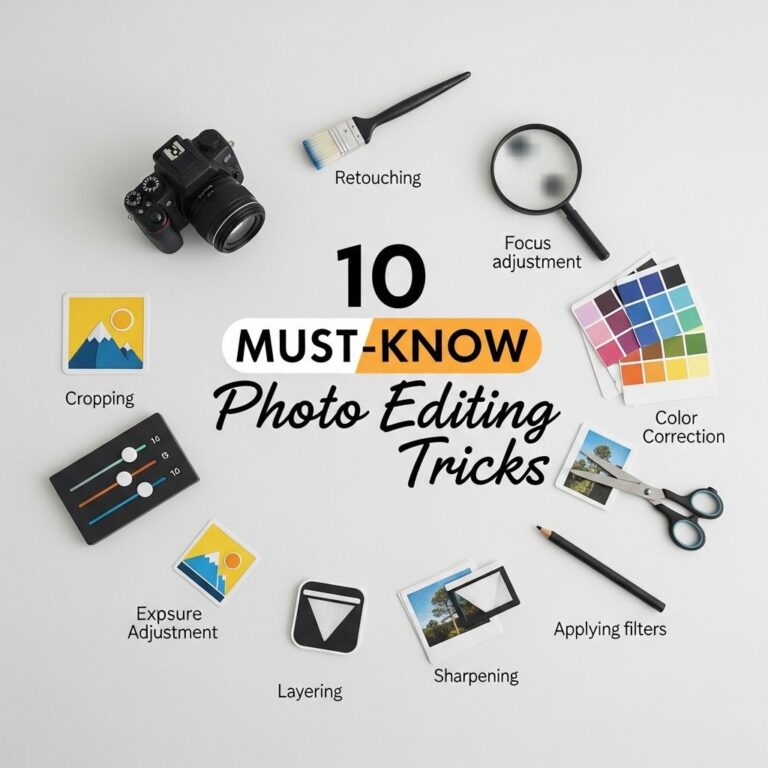
Essential Editing Techniques
When editing your storytelling photographs, consider the following techniques:
- Color Grading: Adjust colors to set the mood and tone of your narrative.
- Cropping: Eliminate distractions and focus on the subject to enhance storytelling.
- Sharpening: Increase clarity and impact of key elements in your images.
4. Tripod and Stabilization Gear
A tripod is an indispensable tool for capturing sharp images, especially in low light or long exposure situations. Additionally, stabilization gear helps maintain steady shots during movement.
Types of Tripods
| Type | Ideal Use | Price Range |
|---|---|---|
| Aluminum Tripod | General use | $50 – $200 |
| Carbon Fiber Tripod | Travel/Heavy-duty | $200 – $600 |
| Gorillapod | Versatile, adaptable use | $25 – $150 |
5. Storyboarding Tools
Before capturing your images, planning your story is vital. Storyboarding tools help visualize and organize your narrative. These can be physical or digital.
Examples of Storyboarding Tools
- Canva: Provides templates for creating storyboards visually.
- Milanote: A flexible tool for arranging ideas and images in a board format.
- ShotDeck: A database of high-quality images for inspiration and reference.
Conclusion
Combining the right tools with your creativity can lead to impactful storytelling photography. From selecting a high-quality camera and lenses to utilizing post-processing software and stabilizing equipment, each component plays a role in crafting your visual narrative. Moreover, effective planning through storyboarding ensures that each shot contributes to the overall story you wish to tell. Equip yourself with these essentials, and let your photography speak volumes.
FAQ
What are the essential tools for storytelling photography?
The essential tools for storytelling photography include a quality camera, versatile lenses, a sturdy tripod, editing software, and good lighting equipment.
How does a quality camera enhance storytelling in photography?
A quality camera enhances storytelling by capturing high-resolution images with better detail, allowing photographers to convey emotions and narratives more effectively.
Why is a sturdy tripod important for storytelling photography?
A sturdy tripod is important for storytelling photography because it stabilizes the camera, enabling long exposure shots and ensuring sharp images, especially in low-light conditions.
What role do versatile lenses play in storytelling photography?
Versatile lenses play a crucial role in storytelling photography by allowing photographers to capture a variety of scenes, from wide landscapes to intimate close-ups, enhancing the narrative.
How can editing software improve storytelling in photography?
Editing software can improve storytelling in photography by allowing photographers to enhance colors, correct exposure, and create a cohesive visual style that supports the narrative.
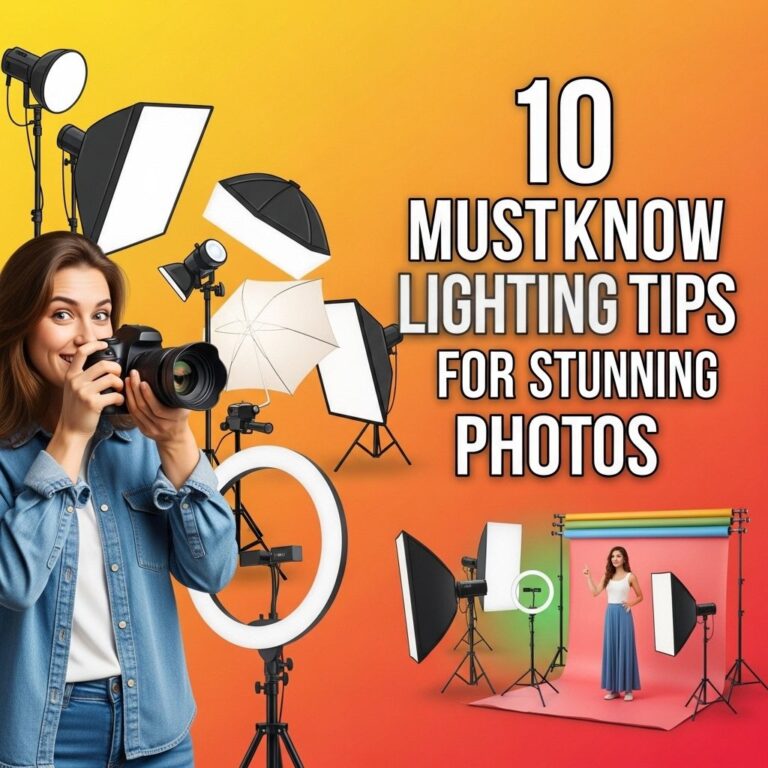
What lighting equipment is best for storytelling photography?
The best lighting equipment for storytelling photography includes softboxes, reflectors, and external flashes, which help create mood and highlight key elements in the story.