Storytelling photography is a powerful art form that captures not just images, but also emotions, narratives, and experiences. It takes the viewer on a journey, evoking feelings and sparking imagination through a visual medium. Whether you’re a seasoned photographer or an aspiring visual storyteller, having the right tools at your disposal can elevate your photography and help you convey your message more effectively. In this article, we’ll explore five must-have tools for storytelling photography that will enhance your ability to tell compelling stories through your lens.
Table of Contents
1. Quality Camera
At the heart of any great photography setup is a quality camera. While smartphones have made photography accessible to everyone, investing in a dedicated camera can significantly improve your storytelling capabilities. Here are some options to consider:
- DSLR Cameras: These cameras provide versatility and high-quality images, making them a popular choice among professionals.
- Mirrorless Cameras: Lightweight and compact, mirrorless cameras offer similar quality to DSLRs and are great for travel and street photography.
- Film Cameras: For a vintage feel, film cameras can add a unique touch to your storytelling by incorporating grain and texture.
Key Features to Look For
When selecting a camera, consider the following features:
- Sensor Size: Full-frame sensors capture more light and detail.
- ISO Range: A wider ISO range allows for better performance in low-light situations.
- Autofocus System: Fast and accurate autofocus is crucial for capturing fleeting moments.
2. Lenses
The lens you choose plays a significant role in storytelling photography. Different lenses offer various perspectives and focal lengths, which can dramatically change the story you tell. Here’s a breakdown of essential lenses:
Essential Lenses for Storytelling
- 50mm Prime Lens: Known for its versatility and sharpness, this lens mimics the human eye’s perspective.
- Wide-Angle Lens: Great for landscapes and environmental portraits, wide-angle lenses help contextualize subjects within their surroundings.
- Telephoto Lens: Ideal for capturing subjects from a distance, perfect for candid moments in street photography.
3. Editing Software
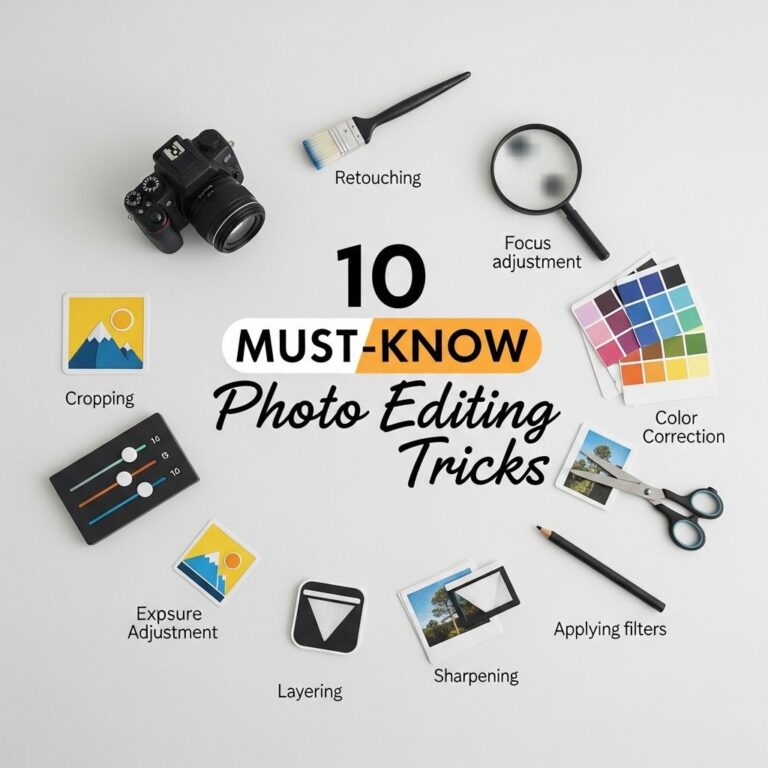
Post-processing is essential in photography, especially when it comes to storytelling. Editing software allows you to enhance your images, create mood, and highlight key elements of your story. Here are some popular options:
| Software | Platform | Key Features |
|---|---|---|
| Adobe Lightroom | Windows, macOS | Non-destructive editing, cataloging, presets |
| Adobe Photoshop | Windows, macOS | Advanced retouching, layer management, compositing |
| Capture One | Windows, macOS | Powerful color grading, tethering, organization tools |
Tips for Effective Editing
When editing for storytelling, keep these tips in mind:
- Maintain natural skin tones and colors.
- Use contrast and saturation to draw attention to focal points.
- Consider the story arc when choosing edits – build tension, then resolve.
4. Tripod
A sturdy tripod is an essential tool for any photographer looking to capture dynamic and stable shots. Here’s why it’s a must-have for storytelling:
Benefits of Using a Tripod
- Stability: Ensures sharp and blur-free images, especially in low-light conditions.
- Compositional Flexibility: Allows for precise framing and adjustments without compromising the shot.
- Long Exposure Shots: Ideal for night photography or capturing motion blur.
5. Storyboarding Tools
Planning your story visually is crucial in storytelling photography. Storyboarding tools can help you map out your shots and visualize the narrative flow. Here are some effective tools:
- Notebooks: Simple yet effective, jotting down ideas and sketches can help visualize the flow of your story.
- Digital Apps: Apps like Storyboard That or Canva allow for easy visualization of sequences.
- Mind Mapping Software: Tools like MindMeister can help structure ideas and concepts.
Creating a Cohesive Storyboard
When storyboarding, consider the following:
- Identify your main theme and message.
- Sketch key scenes that communicate your narrative.
- Plan shots that transition smoothly from one scene to another.
Conclusion
Mastering storytelling photography requires a blend of creativity, technique, and the right tools. By equipping yourself with a quality camera, versatile lenses, editing software, a sturdy tripod, and effective storyboarding tools, you’ll be able to enhance your storytelling capabilities and create captivating images that resonate with viewers. Remember, it’s not just about taking pictures; it’s about conveying a story that leaves a lasting impression.
FAQ
What are the essential tools for storytelling photography?
Essential tools for storytelling photography include a high-quality camera, versatile lenses, a sturdy tripod, editing software, and a reliable external hard drive for storage.
How does a camera impact storytelling in photography?
A camera with good performance in various lighting conditions and fast autofocus capabilities allows photographers to capture moments more effectively, enhancing the storytelling aspect of their images.
Why is editing software important for storytelling photography?
Editing software is crucial as it allows photographers to enhance their images, correct colors, and create a cohesive narrative through visual editing, which strengthens the storytelling element.
What role do lenses play in storytelling photography?
Lenses are pivotal in storytelling photography as they dictate the perspective and depth of field, enabling photographers to convey emotions and focus on subjects effectively.
How can a tripod improve storytelling in photography?
A tripod provides stability, allowing for longer exposures and precise framing, which can help capture the intended mood and narrative in storytelling photography.
What is the importance of a reliable external hard drive for photographers?
A reliable external hard drive is essential for backing up images, ensuring that photographers can preserve their work and maintain a well-organized archive for future storytelling projects.