Starting a new business can be both an exhilarating and daunting task. Entrepreneurs are tasked with turning their visions into reality, which requires a combination of creativity, strategy, and the right set of tools. In the digital age, the availability of various software and apps can significantly streamline this process. In this article, we will explore ten essential tools that every aspiring business owner should consider using, regardless of their industry.
Starting a business requires more than just a great idea; it involves having the right tools at your disposal. From effective project management software to reliable financial platforms, these essentials can help streamline your processes and enhance productivity. For instance, if you’re in the product design phase, learning how to create bag mockups can be invaluable in visualizing your concepts.
Table of Contents
1. Business Planning Software
A well-structured business plan is the foundation of a successful business. Business planning software helps entrepreneurs articulate their ideas, set goals, and evaluate their market.
Popular Options:
- LivePlan: Offers built-in templates and financial forecasting tools.
- Bplans: Provides a wealth of free templates and resources.
2. Project Management Tools
As teams collaborate on various tasks, effective project management becomes crucial. These tools aid in tracking progress, assigning tasks, and ensuring deadlines are met.
Recommended Tools:
- Trello: Utilizes a card-based system to help teams organize tasks visually.
- Asana: Ideal for more complex projects, offering timelines and workload management.
- Monday.com: Highly customizable and supports multiple workflows.
3. Accounting Software
Managing finances is a vital aspect of running a business. Accounting software can simplify tracking expenses, generating invoices, and preparing for tax season.
Top Accounting Tools:
| Software | Key Features | Pricing |
|---|---|---|
| QuickBooks | Comprehensive reporting and invoicing | Starts at $25/month |
| Xero | Cloud-based with great app integrations | Starts at $12/month |
| FreshBooks | User-friendly invoicing and expense tracking | Starts at $15/month |
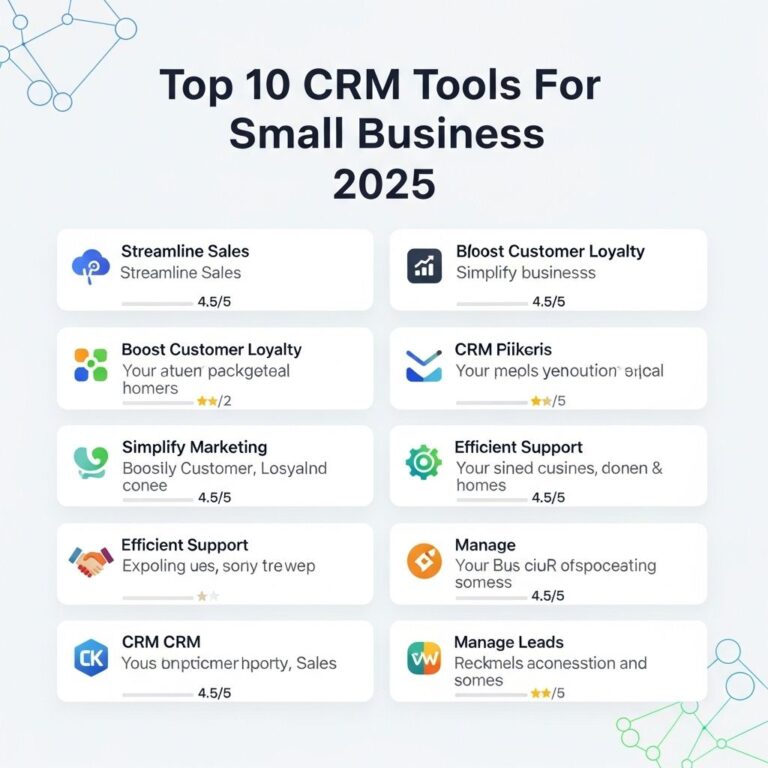
4. Customer Relationship Management (CRM) Systems
Building and maintaining relationships with customers is critical for long-term success. CRM systems help businesses manage customer interactions and sales data.
Leading CRM Solutions:
- Salesforce: Offers extensive customization options and powerful analytics.
- HubSpot CRM: A free option with essential features for beginners.
5. Marketing Automation Platforms
Effective marketing is key to attracting and retaining customers. Marketing automation platforms simplify this process by streamlining campaigns across multiple channels.
Recommended Platforms:
- Mailchimp: Great for email campaigns with extensive analytics.
- Hootsuite: Allows for social media scheduling and performance tracking.
6. Website Builders
Having a professional online presence is crucial for any business. Website builders enable entrepreneurs to create stunning websites without needing extensive coding knowledge.
Best Website Builders:
- Wix: Offers hundreds of customizable templates.
- Squarespace: Known for its sleek designs and user-friendly interface.
- WordPress: The most flexible option with thousands of plugins available.
7. Communication Tools
Effective communication is essential for any business, especially if you’re managing remote teams. The right tools can help facilitate clear and efficient communication.
Essential Communication Tools:
- Slack: A popular choice for team communication and collaboration.
- Zoom: Excellent for video conferencing and virtual meetings.
8. E-Commerce Platforms
If you’re looking to sell products online, having a robust e-commerce platform is essential. These platforms help manage online transactions and inventory.
Leading E-Commerce Options:
- Shopify: User-friendly with extensive app integrations.
- WooCommerce: A flexible solution for WordPress users.
9. File Storage and Collaboration Tools
As businesses grow, sharing and storing files efficiently becomes crucial. Cloud storage solutions make it easy to access documents from anywhere.
Recommended Tools:
- Google Drive: Offers free storage and collaborative document editing.
- Dropbox: Known for its straightforward sharing capabilities.
10. Analytics Tools
Finally, understanding your business performance through data analytics is vital. Analytics tools provide insights into customer behavior, sales trends, and marketing effectiveness.
Top Analytics Tools:
| Tool | Key Features | Pricing |
|---|---|---|
| Google Analytics | Free tool for web traffic analysis | Free |
| Mixpanel | Focuses on user engagement and product analytics | Starts at $25/month |
| Tableau | Powerful data visualization capabilities | Starts at $70/month |
Conclusion
In conclusion, starting a business is a multifaceted journey that can be greatly enhanced with the right tools. From business planning software to analytics tools, the resources available today can help entrepreneurs streamline operations and focus on growth. By leveraging these essential tools, aspiring business owners can navigate the complexities of entrepreneurship with confidence and drive their ventures toward success.
FAQ
What are the essential tools needed to start a business?
The essential tools for starting a business include project management software, accounting tools, customer relationship management (CRM) systems, marketing automation platforms, website builders, and communication tools.
How can project management tools help in starting a business?
Project management tools help in organizing tasks, tracking progress, and collaborating with team members, which is crucial for staying on schedule and managing resources effectively.
Why is accounting software important for new businesses?
Accounting software is important for new businesses as it helps in tracking expenses, managing invoices, and ensuring compliance with tax regulations, allowing entrepreneurs to focus on growth.
What role does a CRM system play in a new business?
A CRM system plays a vital role in managing customer relationships, tracking interactions, and streamlining sales processes, which can lead to improved customer satisfaction and retention.
How can marketing automation tools benefit startups?
Marketing automation tools benefit startups by automating repetitive marketing tasks, managing campaigns, and analyzing performance, which can enhance efficiency and increase lead generation.
What should I consider when choosing communication tools for my business?
When choosing communication tools, consider factors such as ease of use, integration with other tools, features for team collaboration, and scalability as your business grows.