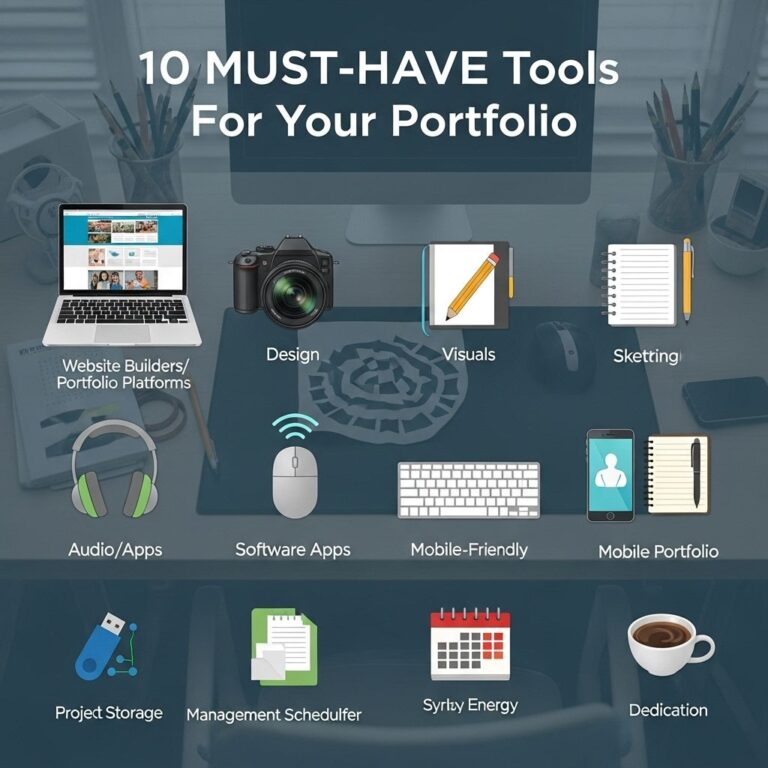
As we approach 2025, the landscape of portfolio management and showcasing creative work has evolved rapidly. With a plethora of tools available, it can be challenging to identify which ones truly stand out and provide significant value. This article explores the essential tools that every professional should consider integrating into their portfolio strategy to enhance visibility, functionality, and overall impact.
As we move into 2025, enhancing your portfolio with the right tools is essential for standing out in a competitive market. From innovative design software to versatile mockups, a few key resources can elevate your work. Consider incorporating free jar templates to showcase your product designs in a professional manner.
Table of Contents
1. Project Management Software
Efficient project management is vital for any portfolio, especially for freelancers and agencies managing multiple clients. Using project management software helps streamline workflows, improve collaboration, and ensure deadlines are met. Here are some top tools to consider:
- Trello: A visual project management tool that uses boards, lists, and cards to organize tasks.
- Asana: Great for tracking projects and tasks with robust reporting features and integrations.
- Notion: A versatile workspace that combines notes, task management, and databases.
Benefits of Project Management Tools
- Improved organization of tasks and deadlines.
- Enhanced collaboration among team members.
- Greater transparency in project progress.
2. Design and Prototyping Tools
For creative professionals, showcasing design work is crucial. Design and prototyping tools allow you to create compelling visuals and interactive prototypes. Consider these options:
- Figma: A cloud-based design tool that enables real-time collaboration.
- Adobe XD: An intuitive tool for designing, prototyping, and sharing user experiences.
- Sketch: A popular vector graphics editor for macOS, ideal for web and mobile UI design.
Choosing the Right Design Tool
When selecting a design tool, consider:
- Your team’s needs for collaboration.
- The complexity of projects you handle.
- The software’s integration with other tools you use.
3. Code Collaboration Platforms
For developers, having the right code collaboration tools is essential to manage projects efficiently and collaborate with other developers. Here are some of the top platforms:
| Tool | Features |
|---|---|
| GitHub | Version control, issue tracking, and community engagement. |
| GitLab | Integrated CI/CD, version control, and project management. |
| Bitbucket | Git repository hosting, with built-in CI/CD and Jira integration. |
Benefits of Using Collaboration Platforms
- Streamlined version control to manage code changes.
- Easier collaboration on coding projects.
- Access to vast communities for networking and support.
4. Digital Portfolio Hosting Services
Your portfolio needs a strong online presence to attract potential clients and employers. Digital portfolio hosting services enable you to showcase your work beautifully. Consider these options:
- Behance: Great for creative professionals to display design, photography, and other visual projects.
- WordPress: A flexible platform that can host a personal portfolio with customizable themes.
- Wix: An easy-to-use website builder with portfolio templates.
Key Considerations for Portfolio Hosting
When choosing a hosting service, keep in mind:
- User interface and ease of use.
- Customization options available.
- SEO capabilities to help your portfolio rank better.
5. Analytics and SEO Tools
To measure the effectiveness of your portfolio and understanding your audience, analytics tools are essential. These tools help you track visitor behavior and optimize your portfolio accordingly.
- Google Analytics: Provides detailed insights into website traffic and user behavior.
- SEMrush: A comprehensive SEO tool that helps you optimize your content for search engines.
- Hotjar: Offers heatmaps to visualize user interactions on your site.
Utilizing Analytics
Using analytics tools can transform your portfolio strategy by:
- Identifying which projects attract the most attention.
- Understanding user demographics and interests.
- Assessing the effectiveness of your SEO efforts.
Conclusion
As the portfolio landscape continues to evolve, leveraging the right tools can significantly enhance your professional presence in 2025. By incorporating project management, design, code collaboration, hosting, and analytics tools, you can create a comprehensive and compelling portfolio that stands out to potential clients and employers. Stay ahead of the competition by investing in these must-have tools and tailoring them to fit your unique style and professional goals.
FAQ
What are the must-have tools for creating a portfolio in 2025?
Key tools include Canva for design, Adobe Creative Suite for advanced editing, Wix or Squarespace for website building, Behance for showcasing work, and Google Analytics for tracking portfolio performance.
How can I effectively use Canva for my portfolio in 2025?
Canva allows you to create visually appealing graphics and layouts for your portfolio, making it easy to showcase your work in a professional manner.
Why is Adobe Creative Suite important for portfolio development?
Adobe Creative Suite provides powerful tools like Photoshop and Illustrator for high-quality image editing, essential for presenting your work attractively.
What are the benefits of using Wix or Squarespace for my portfolio?
Wix and Squarespace offer user-friendly website builders with customizable templates, making it simple to create a polished online portfolio without coding skills.
How does Behance enhance my portfolio visibility?
Behance is a creative community where you can share your work and connect with other professionals, increasing your portfolio’s exposure and potential job opportunities.
Why is Google Analytics essential for managing my portfolio website?
Google Analytics helps you track visitor behavior on your portfolio site, allowing you to understand your audience and improve your content strategy.