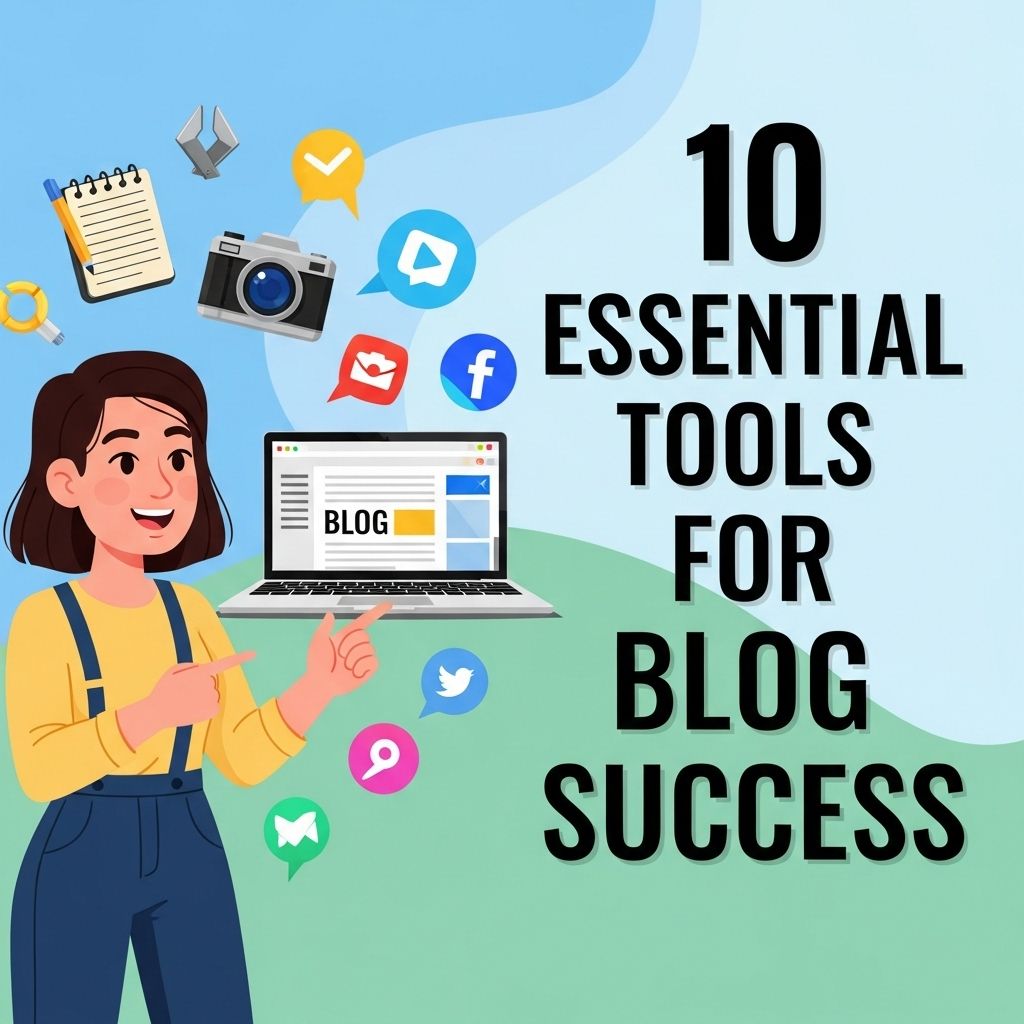
In the fast-paced world of digital marketing, blogging has emerged as a cornerstone for brands seeking to establish their voice and connect with their audience. But creating a successful blog is not just about writing; it involves leveraging a variety of tools that can enhance content creation, optimize search engine visibility, and engage readers effectively. Here, we explore ten essential tools that can pave the way for blogging success.
Table of Contents
1. WordPress
WordPress is the most popular content management system (CMS) for a reason. It offers flexibility, scalability, and a multitude of plugins that can help in customizing your blog. Here are some of its features:
- User-Friendly Interface: Easy to navigate, even for beginners.
- SEO Plugins: Optimize your content with tools like Yoast.
- Rich Themes: Choose from thousands of themes to match your brand.
Benefits of Using WordPress
| Feature | Description |
|---|---|
| Open Source | Free to use and modify, with a large support community. |
| Customizable | Ability to add custom features through plugins and themes. |
| Responsive Design | Ensures your blog looks great on mobile devices. |
2. Google Analytics
Understanding your audience is essential for creating content that resonates. Google Analytics provides insights into visitor behavior, traffic sources, and engagement metrics.
- Track User Behavior: Understand how visitors interact with your content.
- Measure Traffic Sources: Identify which channels drive the most traffic.
- Set Goals: Monitor conversions and achievements.
Using Google Analytics Effectively
To get the most out of Google Analytics:
- Set up goals for your blog to measure success.
- Explore the Audience section to learn about demographics.
- Use Custom Reports to focus on specific metrics.
3. Canva
Visual content is key in capturing attention and conveying messages effectively. Canva is a graphic design tool that enables bloggers to create stunning visuals, social media graphics, and more.
- Templates: Access thousands of customizable templates.
- User-Friendly Interface: Drag and drop features make design simple.
- Brand Kit: Build a consistent brand identity.
Creating Visuals with Canva
To enhance your blog posts:
- Create featured images that are visually appealing.
- Design infographics to break down complex information.
- Craft social media graphics to promote your posts effectively.
4. Grammarly
No one wants to read poorly written content. Grammarly is a writing assistant that checks for grammar, punctuation, style, and tone to improve your writing.
- Real-Time Suggestions: Receive instant feedback as you write.
- Plagiarism Checker: Ensure your content is original.
- Tone Detection: Adjust your writing to fit your audience.
Improving Your Writing Skills
To make the most of Grammarly:
- Pay attention to suggestions, particularly around clarity and engagement.
- Use the plagiarism checker before publishing content.
- Experiment with different tones to see what resonates.
5. SEMrush
To drive traffic to your blog, search engine optimization (SEO) is critical. SEMrush is an all-in-one SEO tool that helps you analyze your site, find keywords, and assess competitor strategies.
- Keyword Research: Discover keywords to target for organic traffic.
- Site Audit: Identify issues that may hinder your SEO efforts.
- Content Marketing Toolkit: Optimize your content based on SEO best practices.
Leveraging SEMrush
To improve your blog’s SEO:
- Conduct a site audit regularly to resolve SEO issues.
- Analyze competitor domains for content inspiration.
- Utilize the keyword magic tool for robust keyword options.
6. Buffer
Promoting your blog content is just as important as creating it. Buffer allows you to schedule and manage your social media posts across various platforms, ensuring consistent engagement.
- Scheduling Posts: Plan your social media content ahead of time.
- Analytics: Track performance and optimize strategies.
- Team Collaboration: Work with others on social media campaigns.
Maximizing Buffer for Promotion
Tips for effective use of Buffer:
- Schedule posts during peak engagement times.
- Analyze which types of posts receive the best engagement.
- Use Buffer’s browser extension for easy sharing of new blog posts.
7. Mailchimp
Email marketing remains a powerful tool for bloggers. Mailchimp provides the resources needed to create, manage, and analyze email campaigns, helping you build a loyal subscriber base.
- Email Templates: Use customizable templates for engaging newsletters.
- Automation: Set up automated email sequences.
- Analytics: Monitor open rates and engagement metrics.
Strategies for Email Marketing
To enhance your email marketing efforts:
- Segment your email list for targeted campaigns.
- Personalize content to increase engagement.
- Test different subject lines for better open rates.
8. CoSchedule
Keeping organized is essential when managing a blog. CoSchedule is a marketing calendar that integrates content and social media planning into one place.
- Content Scheduling: Plan and schedule blog posts and social media.
- Workflow Management: Keep track of tasks and deadlines.
- Analytics: Measure the effectiveness of your content.
Using CoSchedule Efficiently
To maximize CoSchedule’s features:
- Utilize the drag-and-drop calendar to visualize your content.
- Set reminders for important deadlines.
- Use the analytics features to assess content performance.
9. Ahrefs
Ahrefs is another robust SEO tool that provides insights into backlinks, keyword rankings, and content analysis. It is particularly valuable for competitive analysis and finding content gaps.
- Backlink Checker: Analyze your backlinks and those of competitors.
- Content Explorer: Discover popular content in your niche.
- Keyword Explorer: Find high-potential keywords.
Incorporating Ahrefs into Your Strategy
To leverage Ahrefs:
- Conduct regular backlink audits to enhance link building.
- Identify content gaps by analyzing competitors.
- Track keyword performance over time.
10. Trello
Project management can streamline your blogging process. Trello is a flexible tool that helps you organize your blog tasks and collaborate with team members.
- Boards and Cards: Create boards for different projects and tasks.
- Checklists: Track progress on individual blog posts.
- Integrations: Connect with other tools for enhanced functionality.
Using Trello for Blog Management
To stay organized with Trello:
- Create a board for each stage of your content creation process.
- Use labels to categorize content by type or priority.
- Invite collaborators for joint projects.
Conclusion
Equipping yourself with the right tools can significantly enhance your blogging experience and success. From content management and SEO analysis to marketing and project management, these ten tools offer a comprehensive toolkit for any blogger aiming to elevate their game. By integrating these tools into your workflow, you can streamline your processes, enhance your content, and ultimately build a successful blog that resonates with your audience.
FAQ
What are the essential tools for successful blogging?
Some essential tools for successful blogging include content management systems like WordPress, SEO tools like Yoast SEO, social media management tools like Hootsuite, design tools like Canva, and analytics tools like Google Analytics.
How can SEO tools enhance my blog’s visibility?
SEO tools help optimize your blog content for search engines by providing keyword suggestions, analyzing your site’s performance, and offering insights into best practices for improving visibility.
Why should I use social media management tools for my blog?
Social media management tools allow you to schedule posts, track engagement, and analyze performance across multiple platforms, helping you effectively promote your blog content and reach a broader audience.
What role do analytics tools play in blogging?
Analytics tools provide valuable insights into your blog’s performance, including visitor statistics, user behavior, and traffic sources, enabling you to make informed decisions to improve your content strategy.
Are there any free tools available for blogging success?
Yes, many effective blogging tools are available for free, such as WordPress, Google Analytics, and Canva, which can help you create, promote, and analyze your blog without a financial investment.
How can design tools improve my blog’s aesthetics?
Design tools like Canva allow you to create visually appealing graphics and layouts that can enhance your blog’s aesthetics, making it more engaging and appealing to readers.