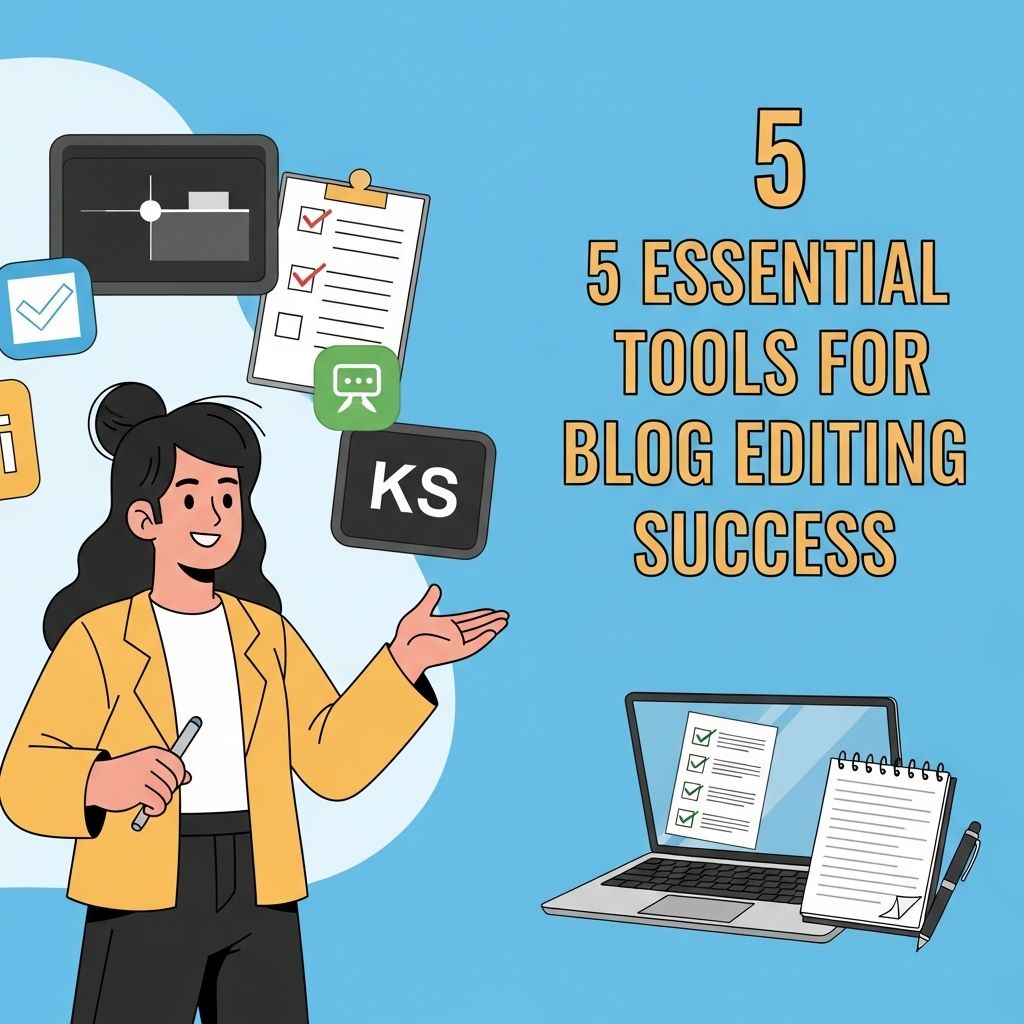
In the world of blogging, the editing phase is just as crucial as the writing itself. A well-edited blog post not only improves readability but also enhances engagement, encourages shares, and cultivates a professional appearance. With an abundance of editing tools available, it can be challenging to determine which ones are essential for your blogging toolkit. Here, we explore five indispensable tools that can transform your blog editing process and elevate your content to new heights.
Editing a blog post can significantly elevate its quality and engagement. To ensure your content shines, utilizing the right tools is essential. Here are five tools that can streamline your editing process and enhance your blog’s overall presentation, including options like download free bag mockups to visually complement your posts.
Table of Contents
1. Grammarly: Your Trusty Grammar Assistant
Grammarly has become a household name among writers and bloggers. This powerful editing tool goes beyond basic spell-checks to provide comprehensive feedback on your writing. Here’s what makes Grammarly a must-have:
- Grammar and Punctuation Checks: Identify and correct mistakes in your writing.
- Style Suggestions: Enhance your writing style with word choice and tone suggestions.
- Plagiarism Detection: Ensure your content is original and doesn’t inadvertently mirror other sources.
Additionally, Grammarly offers browser extensions, a standalone desktop app, and integrations with various platforms, making it highly accessible for bloggers.
2. Hemingway Editor: Simplifying Complex Writing
The Hemingway Editor is designed to improve readability by making your writing more concise. It highlights complex sentences, adverbs, and passive voice, encouraging writers to adopt a more straightforward writing style. Key features of the Hemingway Editor include:
- Readability Score: A score that indicates the education level required to understand your writing.
- Highlighting Issues: Different colors represent various concerns such as complex sentences, adverbs, and passive voice.
Using Hemingway can result in clearer, more engaging posts that your readers will appreciate.
3. Google Docs: Collaborative Editing Made Easy
Google Docs is a versatile word processor that offers seamless collaboration features, making it ideal for bloggers who work with teams or external editors. Here are some advantages of using Google Docs for your blog editing:
- Real-Time Collaboration: Multiple users can edit and comment simultaneously, streamlining the feedback process.
- Version History: Easily track changes and revert to previous drafts if needed.
- Easy Sharing: Share your document via links or email while controlling access permissions.
Plus, the integration with Google Drive allows for easy storage and access from any device.
4. ProWritingAid: Comprehensive Style and Structure Check
ProWritingAid is an all-in-one editing tool that offers in-depth analysis of your writing style, grammar, and structure. This tool is particularly beneficial for bloggers seeking to enhance their storytelling abilities. Key features include:
| Feature | Description |
|---|---|
| Style Reports | In-depth analysis of your writing style, helping you identify areas of improvement. |
| Overused Words | A tool that highlights repetitive words and phrases, encouraging variety in expression. |
| Contextual Thesaurus | A built-in thesaurus that suggests synonyms based on context, enhancing word choice. |
ProWritingAid’s detailed reports can guide you to become a more versatile writer, and its integration with various platforms makes it convenient for consistent use.
5. Canva: Visuals to Complement Your Blog
While writing and editing are essential, the visual aspect of a blog can significantly enhance its appeal. Canva is a graphic design tool that allows bloggers to create captivating visuals, infographics, and social media posts. Features that make Canva invaluable include:
- User-Friendly Interface: Even those with no design experience can easily navigate and create stunning graphics.
- Vast Template Library: Access thousands of templates tailored for blogs, social media, and marketing.
- Collaboration Options: Share designs with team members for feedback and revisions.
Incorporating visuals created with Canva into your blog can enhance user experience and make your content more shareable.
Conclusion
In the competitive landscape of blogging, investing time in effective editing is crucial to ensuring your content leaves a lasting impression. By utilizing tools like Grammarly, Hemingway Editor, Google Docs, ProWritingAid, and Canva, you can refine your writing, collaborate efficiently, and enhance the overall visual appeal of your blog posts. Incorporate these tools into your workflow to boost your editing process and create content that resonates with your audience.
FAQ
What are the top tools for effective blog editing?
Some essential tools include Grammarly for grammar checks, Hemingway Editor for readability, Google Docs for collaborative editing, Yoast SEO for optimizing content, and Canva for creating visuals.
How can Grammarly improve my blog editing process?
Grammarly helps identify grammatical errors, suggests style improvements, and enhances clarity, making your writing more professional and engaging.
Why is readability important in blog editing?
Readability ensures that your audience can easily understand your content, which can lead to higher engagement and lower bounce rates.
Can I collaborate with others using blog editing tools?
Yes, tools like Google Docs allow multiple users to edit, comment, and suggest changes in real-time, making collaboration seamless.
How does Yoast SEO assist in blog editing?
Yoast SEO provides real-time feedback on your content’s SEO performance, helping you optimize for keywords, improve readability, and enhance overall visibility.
What role do visuals play in blog editing?
Visuals help break up text, enhance reader engagement, and can illustrate complex ideas, making your blog posts more appealing and easier to digest.