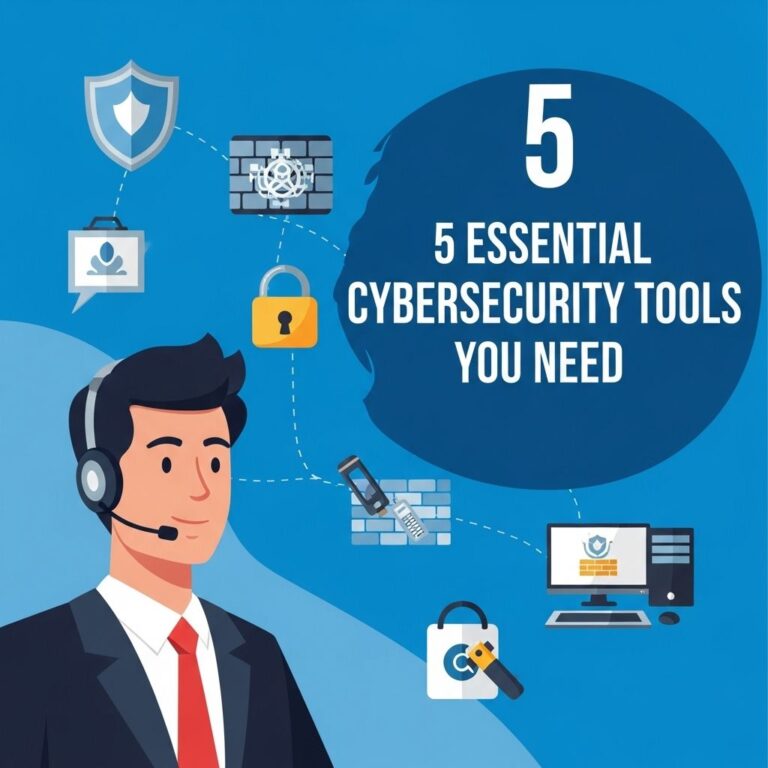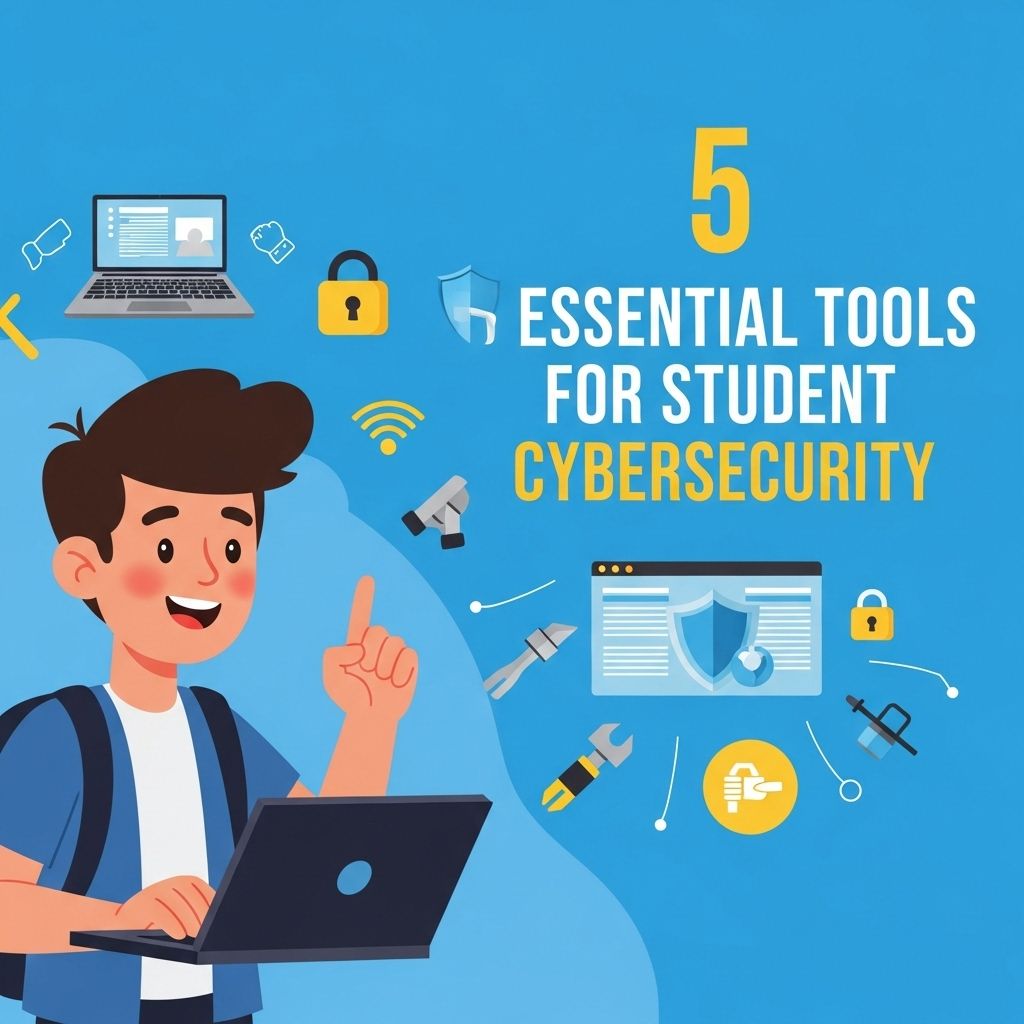
In our increasingly digital world, cybersecurity is a critical concern for students. As future leaders and innovators, they must equip themselves with the tools necessary to safeguard their personal data, academic work, and online identities. Below, we delve into five essential cybersecurity tools that every student should consider using to enhance their online security, protect sensitive information, and navigate the digital landscape with confidence.
In today’s digital landscape, students must prioritize cybersecurity to protect their personal information and academic work. Utilizing essential tools can help mitigate risks and enhance online safety. Here are five indispensable resources that every student should consider, including a surprising resource like free beer graphics for creative protection in presentations.
Table of Contents
Understanding Cyber Threats
Before diving into the tools, it’s essential to understand some common cyber threats that students face:
- Phishing Attacks: Scams that trick users into revealing personal information.
- Malware: Malicious software designed to harm or exploit devices.
- Data Breaches: Unauthorized access to sensitive information.
- Identity Theft: Misuse of personal information for fraudulent purposes.
Essential Cybersecurity Tools
The following tools provide robust defenses against these threats and more.
1. Password Managers
Password managers help users create, store, and manage complex passwords securely. This is crucial since many students struggle with remembering strong passwords for multiple accounts.
| Tool | Features | Price |
|---|---|---|
| LastPass | Multi-device support, secure password sharing | Free / Premium $3/month |
| 1Password | Excellent security features, travel mode | $2.99/month |
| Bitwarden | Open-source, self-hosting capability | Free / Premium $10/year |
2. Virtual Private Network (VPN)
A VPN encrypts internet traffic and masks the user’s IP address, providing anonymity and security when accessing public Wi-Fi networks. This is particularly vital for students who often work in cafes or libraries.
- Benefits of Using a VPN:
- Protects against data snooping on public Wi-Fi
- Bypasses geo-restrictions on content
- Enhances online privacy and security
Popular VPN Services
| Service | Monthly Cost | Notable Features |
|---|---|---|
| ExpressVPN | $12.95 | High speed, trusted security |
| NordVPN | $11.95 | Double encryption, kill switch |
| Surfshark | $2.49 | Unlimited devices, ad blocker |
3. Antivirus Software
Having reliable antivirus software is a must for any student. It protects against malware, spyware, and viruses, ensuring that devices remain secure.
Top Antivirus Solutions
- McAfee: Comprehensive protection with additional features like a file shredder.
- Bitdefender: Lightweight with excellent malware detection rates.
- Kaspersky: Known for strong security and privacy features.
4. Two-Factor Authentication (2FA) Tools
Two-factor authentication adds an extra layer of security by requiring two forms of identification before access to an account is granted. This additional step makes it significantly harder for unauthorized users to breach accounts.
Common 2FA methods include:
- SMS or email codes
- Authenticator apps (like Google Authenticator)
- Hardware tokens
5. Encrypted Communication Tools
In an age where privacy is paramount, encrypted messaging services are essential for secure communication. Tools like Signal and WhatsApp use end-to-end encryption to protect conversations from eavesdropping.
Benefits of Encrypted Communication:
- Data privacy: Only the sender and receiver can read messages.
- Reduced risk of data interception: Prevents unauthorized access.
Best Practices for Cybersecurity
Along with using these tools, maintaining good cybersecurity practices is crucial:
- Regularly update software and applications.
- Use strong and unique passwords for each account.
- Be cautious of suspicious emails and links.
- Never share personal information without verifying the recipient.
Conclusion
Cybersecurity is an essential component of a student’s academic journey. By utilizing the right tools and following best practices, students can protect their digital identities and ensure a secure online environment for their studies. Armed with this knowledge and these resources, students can navigate the complexities of cybersecurity with confidence, ensuring their focus remains on learning and growth.
FAQ
What are the essential tools for student cybersecurity?
The essential tools for student cybersecurity include antivirus software, password managers, VPNs, firewalls, and secure cloud storage solutions.
Why is antivirus software important for students?
Antivirus software is crucial for students as it protects their devices from malware, viruses, and other cyber threats, ensuring their data remains secure.
How do password managers enhance student cybersecurity?
Password managers enhance student cybersecurity by generating and storing strong, unique passwords for different accounts, reducing the risk of password-related breaches.
What role does a VPN play in student cybersecurity?
A VPN (Virtual Private Network) protects students’ online privacy by encrypting their internet connection, making it difficult for hackers to intercept data on public Wi-Fi networks.
Why should students use firewalls?
Students should use firewalls to monitor and control incoming and outgoing network traffic, helping to block unauthorized access and protect sensitive information.
What is the benefit of using secure cloud storage for students?
Using secure cloud storage allows students to safely store and access their files from anywhere while ensuring their data is backed up and protected against loss or theft.