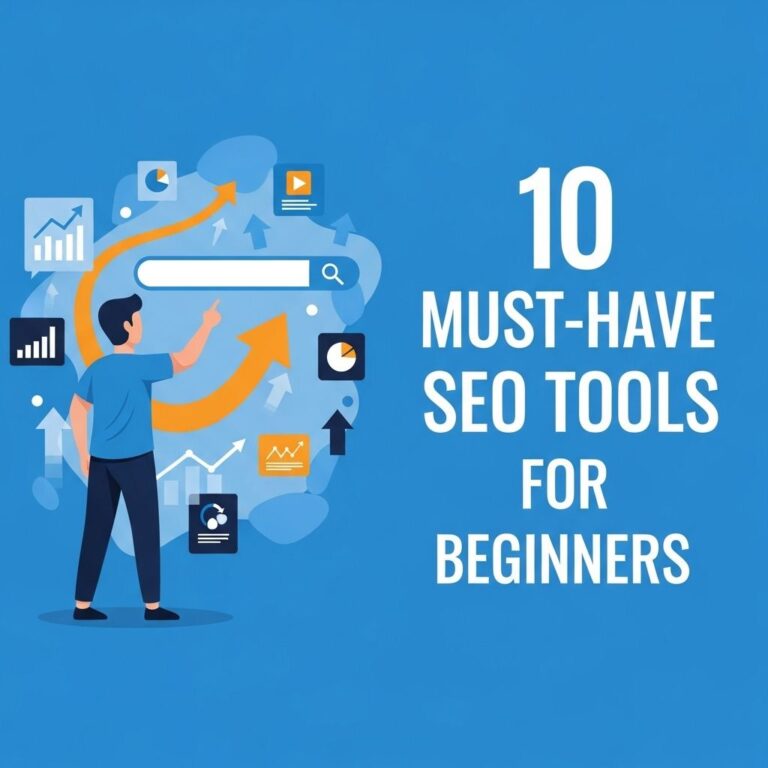
As the digital landscape continues to evolve, staying ahead in search engine optimization (SEO) is more crucial than ever. With the rapid advancement of technology, evolving search engine algorithms, and increasing competition, having the right set of tools can make a significant difference in your SEO strategy. In 2025, businesses and marketers will need to leverage advanced SEO tools that not only enhance visibility but also improve their overall online strategy. Let’s delve into the ten essential SEO tools that you must utilize to remain competitive in the coming years.
Table of Contents
1. Ahrefs
Ahrefs is a comprehensive SEO toolset that provides insights into keyword research, competitor analysis, backlink analysis, and site audits. With its extensive data and user-friendly interface, Ahrefs is invaluable for understanding your site’s performance and creating a solid SEO strategy.
Key Features:
- Site Explorer for analyzing competitor backlinks.
- Keyword Explorer for discovering new keywords and search volume.
- Content Explorer for finding popular content in your niche.
2. SEMrush
SEMrush is another powerful SEO tool favored by professionals. It offers a suite of features, including keyword research, site auditing, and competitive analysis. Its extensive database and tools for tracking Google rankings make it an essential tool for anyone serious about SEO.
Benefits of Using SEMrush:
- Competitor analysis to benchmark your performance.
- On-page SEO checker to optimize your existing content.
- Social media tracking for a holistic view of online presence.
3. Moz Pro
Moz Pro combines robust tools and an easy-to-navigate interface, making it suitable for all levels of SEO professionals. The tool provides keyword insights, site audits, and link-building opportunities, along with a community of SEO enthusiasts.
Features to Explore:
| Feature | Description |
|---|---|
| Keyword Explorer | Discover keywords with a detailed analysis of potential traffic. |
| Site Audit | Identify issues and get recommendations for improving your website. |
| Link Explorer | Analyze your link profile and find backlink opportunities. |
4. Google Analytics
While primarily an analytics tool, Google Analytics provides essential data that can inform your SEO strategies. It helps you understand user behavior, track website traffic, and measure campaign performance.
Why You Need Google Analytics:
- Deep insights into your audience demographics and behavior.
- Tracking goal completions and conversions.
- Identifying high-performing content.
5. Google Search Console
Google Search Console is a free tool that provides insights into how your site is performing in Google searches. It allows you to monitor site health, diagnose issues, and understand how Google crawls and indexes your site.
Essential Features:
- Search performance tracking for keywords and queries.
- Index coverage report to fix crawling issues.
- Mobile usability insights to ensure a responsive design.
6. Screaming Frog
Screaming Frog is a website crawler that allows you to analyze and audit your site’s SEO. It can identify broken links, duplicate content, and redirect issues, making it a crucial tool for technical SEO audits.
What You Can Achieve:
- Identify missing title tags and meta descriptions.
- Analyze anchor text distribution.
- Check for 404 errors and redirects.
7. Ubersuggest
Ubersuggest is a user-friendly SEO tool offered by Neil Patel that provides keyword suggestions and competitive analysis. It’s particularly useful for those new to SEO, offering essential insights without overwhelming complexity.
Main Advantages:
| Feature | Benefit |
|---|---|
| Keyword Suggestions | Find long-tail keywords with search volume data. |
| Domain Overview | Gain insights into competitor traffic and backlinks. |
| Content Ideas | Discover trending topics in your niche. |
8. Yoast SEO
If you’re using WordPress, Yoast SEO is a must-have plugin. It helps optimize your on-page SEO by providing guidelines on how to improve your content, including keyword density and readability.
Key Features:
- Real-time content analysis for SEO optimization.
- XML sitemap generation.
- Focus keyword analysis to enhance content strategy.
9. Rank Math
Another excellent WordPress plugin, Rank Math allows you to optimize your website for search engines effortlessly. Its features range from on-page SEO analysis to rich snippet support, making it a versatile tool for WordPress users.
Highlights of Rank Math:
- Easy setup wizard for beginners.
- Advanced SEO analytics and performance tracking.
- Integration with Google Schema Markup.
10. Surfer SEO
Surfer SEO focuses on data-driven content optimization. By analyzing top-ranking pages, it suggests improvements to your content based on real-time data, allowing you to create more effective SEO strategies.
What Makes Surfer SEO Stand Out:
- Content editor tool for real-time optimization.
- SERP analyzer for understanding competition.
- Audit feature for existing content improvement.
Conclusion
As we approach 2025, utilizing the right SEO tools can set the foundation for successful online visibility and growth. Each of the tools mentioned above offers unique features that cater to various aspects of SEO. Whether you are looking to enhance your keyword strategy, conduct technical audits, or analyze your competition, these tools will empower you to make informed decisions and achieve your SEO goals. Embrace these tools, stay updated with SEO trends, and watch your online presence thrive in the coming years.
FAQ
What are the top SEO tools to use in 2025?
In 2025, essential SEO tools include SEMrush, Ahrefs, Moz, Google Search Console, and Yoast SEO.
How can SEO tools help improve my website’s ranking?
SEO tools provide insights into keyword performance, backlink analysis, and on-page optimization, helping you enhance your website’s ranking.
Are there any free SEO tools available in 2025?
Yes, some popular free SEO tools include Google Analytics, Google Search Console, and Ubersuggest.
What features should I look for in an SEO tool?
Look for features like keyword research, site audit capabilities, backlink analysis, and competitor analysis in an SEO tool.
How often should I use SEO tools for website optimization?
Regularly using SEO tools, ideally weekly or monthly, can help you stay updated on performance and optimize your website effectively.
Can SEO tools help with local SEO strategies?
Absolutely! Many SEO tools offer features specifically designed for local SEO, such as local keyword tracking and citation analysis.