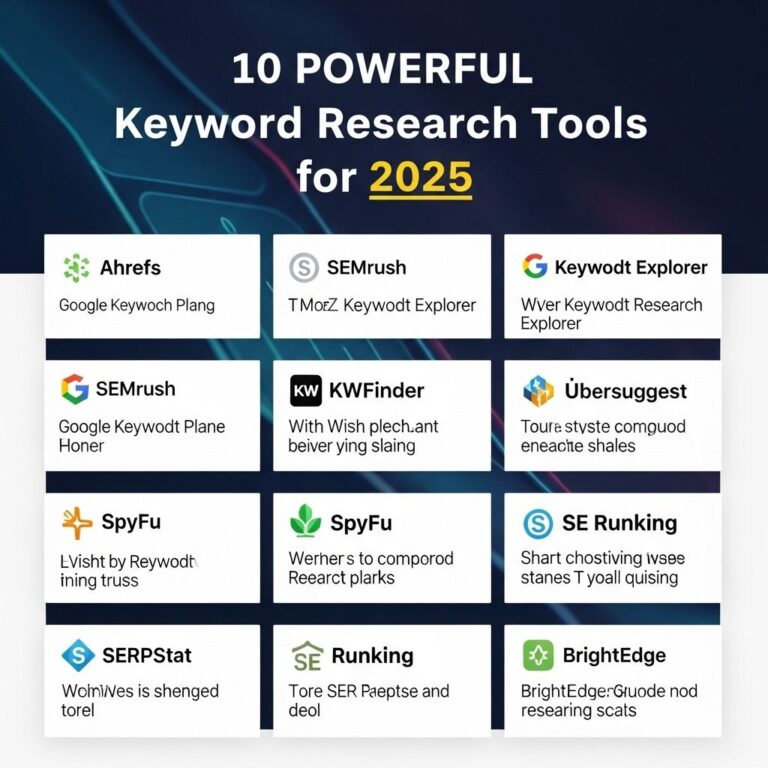
As the digital landscape continues to evolve, effective keyword research remains a cornerstone of successful online marketing strategies. In 2025, the tools available for keyword research are becoming increasingly sophisticated, leveraging advancements in artificial intelligence, machine learning, and big data analytics. Understanding how these tools work and which ones to incorporate into your strategy can set you apart in the highly competitive online marketplace.
As we approach 2025, effective keyword research tools will be indispensable for navigating the complexities of digital marketing. These tools not only enhance your SEO strategy but also offer insights into emerging trends and consumer behavior. For instance, exploring niche markets like beer branding mockups can provide valuable data for targeting specific audiences.
Table of Contents
Understanding Keyword Research
Keyword research is the process of discovering and analyzing search terms that people enter into search engines. This research is crucial for content creation, search engine optimization (SEO), and pay-per-click (PPC) advertising. The significance of keyword research lies in its ability to:
- Identify popular and trending topics in your niche.
- Uncover long-tail keywords that can drive targeted traffic.
- Analyze competitors’ keyword strategies.
- Optimize content for higher search engine rankings.
The Evolution of Keyword Research Tools
Over the years, keyword research tools have evolved from simple word-based analyzers to complex platforms that offer a wide range of features. Here’s how they have changed:
- Data Sources: Modern tools now aggregate data from various search engines, social media platforms, and other online channels.
- AI Integration: Artificial intelligence is used to predict trends and suggest keywords based on user behavior.
- User Experience: Enhanced interfaces and user-friendly dashboards make it easier to visualize data and make informed decisions.
Essential Keyword Research Tools for 2025
As we look forward to 2025, several keyword research tools stand out based on their effectiveness and features. Below is a curated list of essential tools:
1. SEMrush
SEMrush remains a powerhouse in the digital marketing realm, providing comprehensive keyword research capabilities:
- Keyword Magic Tool: Offers an extensive database of over 20 billion keywords across various countries.
- Competitor Analysis: Analyze competitors’ keywords and their rankings to discover new opportunities.
- SEO Writing Assistant: Helps optimize your content in real-time based on target keywords.
2. Ahrefs
Another veteran in the field, Ahrefs excels in backlink and keyword analysis:
- Keyword Explorer: Provides detailed keyword metrics, including volume, keyword difficulty, and click-through rates.
- Content Explorer: Find popular content in your niche and see what keywords they rank for.
- Rank Tracker: Monitor where your keywords rank over time.
3. Google Keyword Planner
An essential tool for anyone using Google Ads, Google Keyword Planner helps users:
- Get keyword ideas based on real data from Google searches.
- Estimate the number of searches for keywords.
- Plan your PPC campaigns effectively.
How to Choose the Right Keyword Research Tool
With so many options available, selecting the right keyword research tool for your specific needs can be challenging. Here are some factors to consider:
1. Your Goals
Identify what you want to achieve:
- If your focus is on SEO, tools with strong organic search capabilities, like Ahrefs or SEMrush, are ideal.
- If you are running PPC campaigns, Google Keyword Planner is a must-have.
2. Budget
Consider the cost of the tools:
- Many premium tools offer extensive features but can be expensive.
- Free tools can be useful for small businesses or startups, but they often lack comprehensive data.
3. User Interface
A user-friendly interface can make a significant difference in efficiency. Look for intuitive dashboards and easy navigation to streamline your workflow.
Advanced Keyword Research Techniques
Beyond using basic tools, implementing advanced techniques can enhance your keyword research:
1. Topic Clusters
Organize your content around pillar pages and cluster content. This approach not only helps with SEO but also improves user experience:
| Pillar Page | Cluster Topics |
|---|---|
| Digital Marketing | SEO, PPC, Social Media, Content Marketing |
| Health and Wellness | Nutrition, Fitness, Mental Health |
2. Voice Search Optimization
With the rise of voice-activated devices, optimizing for voice search is vital:
- Focus on long-tail keywords and natural language queries.
- Use structured data to help search engines understand your content better.
3. Local SEO Keywords
For businesses with a physical presence, local keywords can drive foot traffic:
- Include geographical terms in your keyword strategy.
- Utilize tools that provide local search metrics to optimize for local queries.
Final Thoughts
In 2025, the importance of keyword research will only grow as search engines become smarter and more nuanced. Staying ahead of the curve requires not just using the right tools but also adopting advanced strategies and understanding how to interpret and act on the data. By leveraging effective keyword research tools and techniques, you can ensure your content stands out in an ever-crowded digital landscape.
FAQ
What are the best keyword research tools for SEO in 2025?
In 2025, some of the best keyword research tools include SEMrush, Ahrefs, Google Keyword Planner, Moz Keyword Explorer, and Ubersuggest. Each of these tools offers unique features for effective keyword analysis.
How can I choose the right keyword research tool for my business?
To choose the right keyword research tool, consider your business needs, budget, and the specific features you require, such as competitor analysis, search volume data, and user-friendly interfaces.
Are free keyword research tools effective in 2025?
Yes, free keyword research tools can be effective in 2025 for basic keyword analysis. However, they may lack advanced features found in premium tools. Tools like Google Keyword Planner and Ubersuggest offer valuable insights without cost.
What new features should I look for in keyword research tools in 2025?
In 2025, look for features such as AI-driven keyword suggestions, real-time search trends, voice search optimization tools, and integrations with content management systems to enhance your keyword strategy.
How often should I conduct keyword research for my website?
It is recommended to conduct keyword research at least quarterly to keep up with changing trends, user behavior, and search engine algorithms, ensuring your content remains relevant and optimized.
Can keyword research tools help with content strategy?
Absolutely! Keyword research tools provide insights into what users are searching for, helping you create targeted content that meets their needs, improves SEO performance, and drives organic traffic.