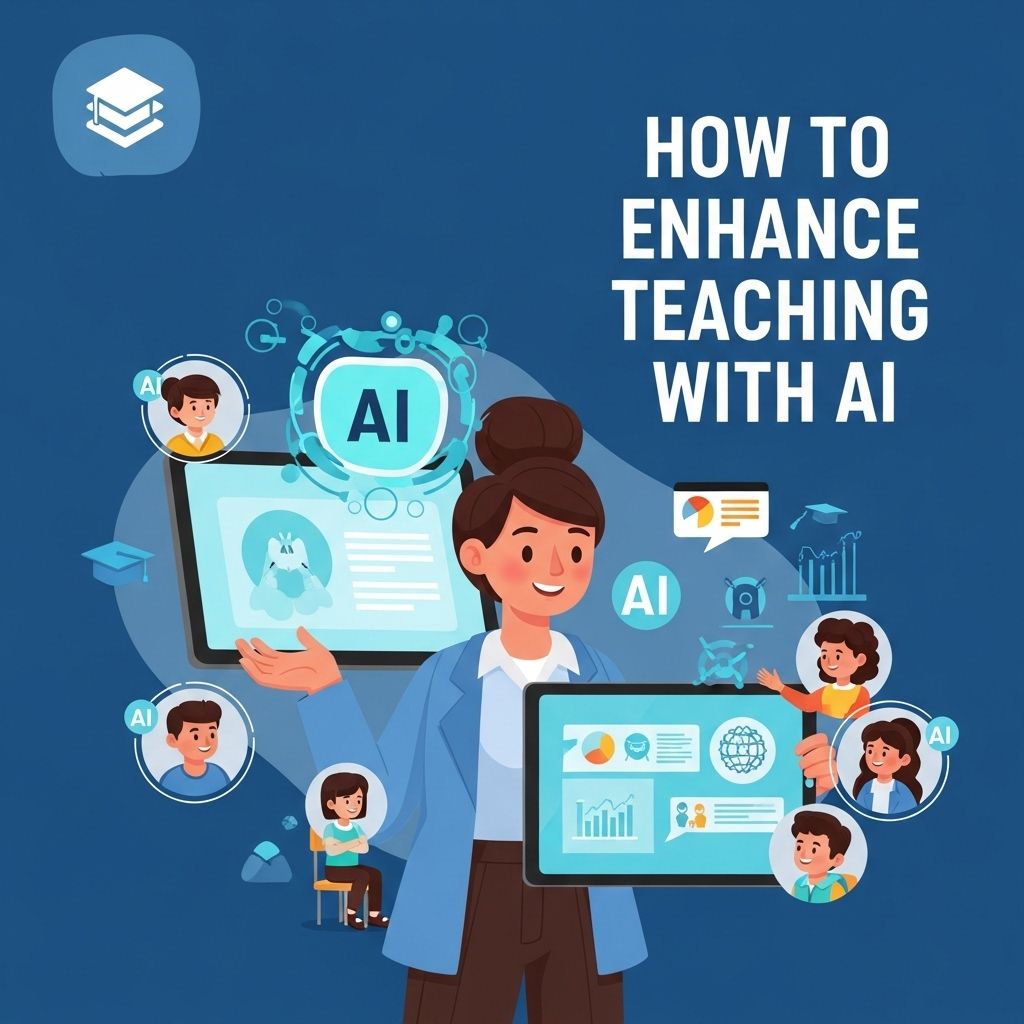
The rapid advancement of artificial intelligence (AI) technology is transforming various sectors, and education is at the forefront of this revolution. As we approach 2025, it is crucial for educators to embrace AI-powered tools and methodologies to enhance teaching and learning experiences. The integration of AI not only personalizes education but also streamlines administrative tasks, allowing educators to focus more on student engagement and development. This article explores various ways to enhance teaching using AI, emphasizing practical applications, potential benefits, and considerations for future implementation.
Table of Contents
Understanding AI in Education
AI encompasses a range of technologies, including machine learning, natural language processing, and robotics, all of which can significantly impact education. By analyzing data and recognizing patterns, AI can deliver personalized learning experiences catered to individual student needs. With AI tools, educators can gain insights into student performance, identify areas for improvement, and enhance curriculum design.
Key Components of AI in Education
- Data Analytics: AI systems analyze vast amounts of educational data to provide actionable insights.
- Personalization: Adaptive learning technologies tailor educational content to match the student’s learning pace and style.
- Automation: Administrative tasks such as grading and attendance can be automated, freeing educators to spend more time with students.
- Natural Language Processing: AI can understand and respond to student inquiries in real time, facilitating better communication.
Implementing AI-Powered Learning Tools
Integrating AI into the classroom can take various forms, ranging from intelligent tutoring systems to AI-driven assessment tools. Here are some key implementations:
1. Intelligent Tutoring Systems
Intelligent Tutoring Systems (ITS) adapt to individual student needs and provide real-time feedback. These platforms can:
- Assess student understanding and identify misconceptions.
- Offer personalized exercises to reinforce learning.
- Track progress over time to ensure mastery of concepts.
2. AI-Enhanced Assessment Tools
AI can revolutionize the assessment process through:
- Automated Grading: AI systems can quickly and accurately grade assignments, including essays, using machine learning algorithms.
- Diagnostic Assessments: AI tools can identify skill gaps by analyzing student responses and suggesting targeted learning resources.
3. Virtual Learning Environments
AI-driven virtual learning environments offer immersive experiences by incorporating:
- Simulations that mimic real-world scenarios for hands-on learning.
- Chatbots for answering student queries around the clock.
Enhancing Student Engagement with AI
AI can play a pivotal role in boosting student engagement through gamified learning experiences, interactive content, and social learning platforms. Here’s how:
Gamification in Education
| Feature | Benefit |
|---|---|
| Point Systems | Makes learning competitive and motivates students. |
| Badges and Rewards | Recognizes achievements and encourages continuous learning. |
| Leaderboards | Promotes a sense of community and collaboration among students. |
Using AI for Interactive Learning
Interactive learning platforms powered by AI can:
- Provide simulations and virtual labs.
- Facilitate group projects with collaborative tools.
- Encourage peer-to-peer learning through social media integration.
Challenges in Implementing AI in Education
While the potential benefits of AI in education are substantial, several challenges must be addressed:
1. Data Privacy and Security
With the collection of student data comes significant concerns regarding privacy and security. Educational institutions must implement robust measures to protect sensitive information and comply with regulations.
2. Equity in Access
AI technology can exacerbate existing inequalities if not all students have equal access to these tools. Institutions must work to provide the necessary resources and training to all students, regardless of their background.
3. The Role of Educators
As AI takes on more responsibilities, the role of educators may shift. Teachers will need to adapt their skill sets to effectively lead classrooms augmented by AI and facilitate meaningful student-teacher interactions.
The Future of AI in Education
Looking ahead, the landscape of education will continue to evolve with AI. Here are some predictions for the future:
1. Greater Personalization
As AI algorithms become more sophisticated, personalized learning experiences will become the norm, catering to diverse learning styles and paces.
2. Enhanced Teacher Support
AI will provide teachers with insights that can guide instruction, helping them better understand student needs and adapt their teaching strategies accordingly.
3. Lifelong Learning Paradigm
The integration of AI will foster a culture of lifelong learning, where individuals can continuously upskill and reskill in an ever-changing job market.
Conclusion
The integration of AI into education presents an opportunity to enhance teaching and learning significantly. By harnessing the power of AI tools, educators can create personalized, engaging, and efficient learning environments that cater to the diverse needs of students. As we move towards 2025, it is essential for educational institutions to adopt innovative AI solutions responsibly, ensuring that they are accessible, secure, and beneficial for all learners.
FAQ
How can AI improve student engagement in the classroom?
AI can enhance student engagement by providing personalized learning experiences, interactive content, and real-time feedback, which keeps students motivated and focused.
What are some effective AI tools for teachers in 2025?
Effective AI tools for teachers include intelligent tutoring systems, automated grading software, and platforms that analyze student performance to tailor educational content.
How does AI assist in differentiated instruction?
AI assists in differentiated instruction by analyzing student data to identify individual learning styles and needs, allowing teachers to customize their teaching strategies accordingly.
What role does AI play in assessing student performance?
AI plays a crucial role in assessing student performance by providing detailed analytics and insights that help educators understand learning gaps and adjust their teaching methods.
Can AI help reduce teacher workload?
Yes, AI can help reduce teacher workload by automating administrative tasks such as grading and lesson planning, allowing educators to focus more on teaching and student interactions.
What are the ethical considerations of using AI in education?
Ethical considerations of using AI in education include data privacy, bias in algorithms, and ensuring that AI tools are used to enhance learning without replacing the human element in teaching.