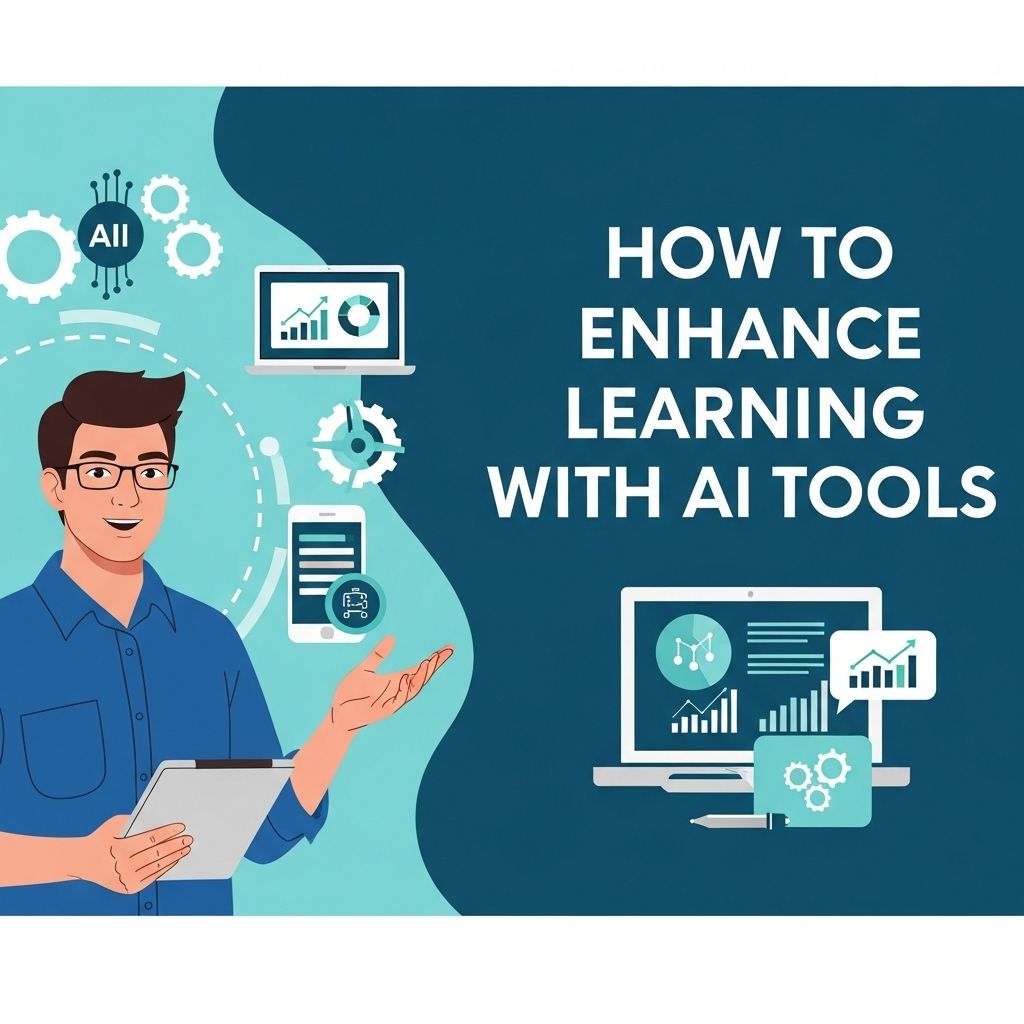
In an increasingly digital world, the integration of artificial intelligence (AI) tools in education is transforming the learning landscape. These technologies are not only making learning more efficient but also more personalized and engaging for students of all ages. This article delves into various AI tools available for enhancing learning experiences, how they work, and the benefits they offer to both educators and learners.
Table of Contents
Understanding Artificial Intelligence in Education
Artificial intelligence encompasses various technologies that enable machines to simulate human intelligence processes. In education, AI can analyze data, automate tasks, provide personalized learning pathways, and create interactive environments that adapt to student needs.
Key Components of AI in Learning
- Machine Learning: Algorithms that improve automatically through experience.
- Natural Language Processing (NLP): The ability of computers to understand and process human language.
- Data Analytics: The analysis of educational data to provide insights into student learning behaviors.
Benefits of Using AI Tools in Education
AI tools offer a plethora of benefits that significantly enhance the educational experience. Here are some of the most notable:
- Personalized Learning: Tailors educational content to the individual needs of students, catering to different learning styles and paces.
- Increased Efficiency: Automates administrative tasks for educators, allowing them to focus more on teaching rather than paperwork.
- Engagement: Interactive AI tools can make learning more engaging with gamified elements and interactive content.
- Data-Driven Decisions: Provides educators with data analytics to identify areas where students struggle, enabling targeted interventions.
Popular AI Tools for Educators
Here are some cutting-edge AI tools that have made significant impacts in the educational sector:
1. Adaptive Learning Platforms
Adaptive learning platforms utilize AI to assess student performance in real-time and adjust the difficulty of tasks accordingly. Examples include:
| Platform | Description |
|---|---|
| Knewton | A learning platform that personalizes education based on student performance metrics. |
| DreamBox | Math learning platform that adapts to individual student learning pace and style. |
2. AI Tutors
AI-powered tutors can provide additional support outside the classroom, answering questions and offering explanations on demand. Notable tools include:
- Chatbot Tutors: Tools like Squirrel AI that provide real-time assistance.
- Language Learning Apps: Applications like Duolingo that use AI to tailor language exercises to user proficiency.
3. Grading and Assessment Tools
AI can significantly streamline the grading process with tools that automatically assess student submissions. Examples include:
- Gradescope: An AI solution that simplifies grading for large classes by automating repeated tasks.
- Turnitin: Besides plagiarism detection, it utilizes AI to analyze writing styles and provide feedback.
Challenges of Implementing AI in Education
While AI tools offer numerous advantages, they also come with their own set of challenges. Educators and institutions must navigate these hurdles for successful implementation:
Data Privacy Concerns
The use of AI in education often requires collecting and analyzing large amounts of student data, raising concerns about data privacy and security.
Equity and Access
Not all students have equal access to technology, which can exacerbate existing inequalities in education. This necessitates thoughtful implementation strategies that prioritize equity.
Teacher Training
For AI tools to be effective, educators need proper training on how to use these technologies effectively in their teaching methods.
Future Trends in AI and Education
The future of AI in education looks promising, with several emerging trends likely to shape its evolution:
1. Enhanced Virtual Reality Experiences
AI integrated with virtual reality (VR) can create immersive learning environments that enhance student engagement and retention.
2. Predictive Analytics
Advanced analytics will allow educators to predict student outcomes and intervene before issues arise, leading to better educational results.
3. Collaborative Learning Environments
AI will facilitate more collaborative learning through group projects and peer-to-peer interactions, fostering community among students.
Conclusion
The integration of AI tools in education is revolutionizing the way learners engage with material and how educators deliver content. By leveraging the capabilities of AI, educational institutions can create tailored learning experiences that cater to individual needs, enhance efficiency, and foster student engagement. As technology continues to advance, the potential for AI in education is limitless, providing exciting opportunities for the future of learning.
FAQ
What are AI tools for learning enhancement?
AI tools for learning enhancement include applications and software that use artificial intelligence to personalize educational experiences, provide interactive learning environments, and offer adaptive assessments.
How can AI tools improve student engagement?
AI tools can improve student engagement by offering interactive content, personalized learning paths, and real-time feedback, making the learning experience more dynamic and responsive to individual needs.
What are the benefits of using AI in education?
The benefits of using AI in education include personalized learning experiences, efficient data analysis, improved accessibility for diverse learners, and enhanced administrative support for educators.
Can AI tools help with language learning?
Yes, AI tools can assist with language learning by providing instant translations, pronunciation guidance, and tailored exercises that adapt to the learner’s skill level and pace.
How do AI tools adapt to different learning styles?
AI tools adapt to different learning styles by analyzing user interactions and preferences, allowing them to deliver customized content and learning strategies that align with individual learning habits.
Are there any challenges in implementing AI tools for learning?
Challenges in implementing AI tools for learning may include data privacy concerns, the need for teacher training, and potential reliance on technology over traditional teaching methods.