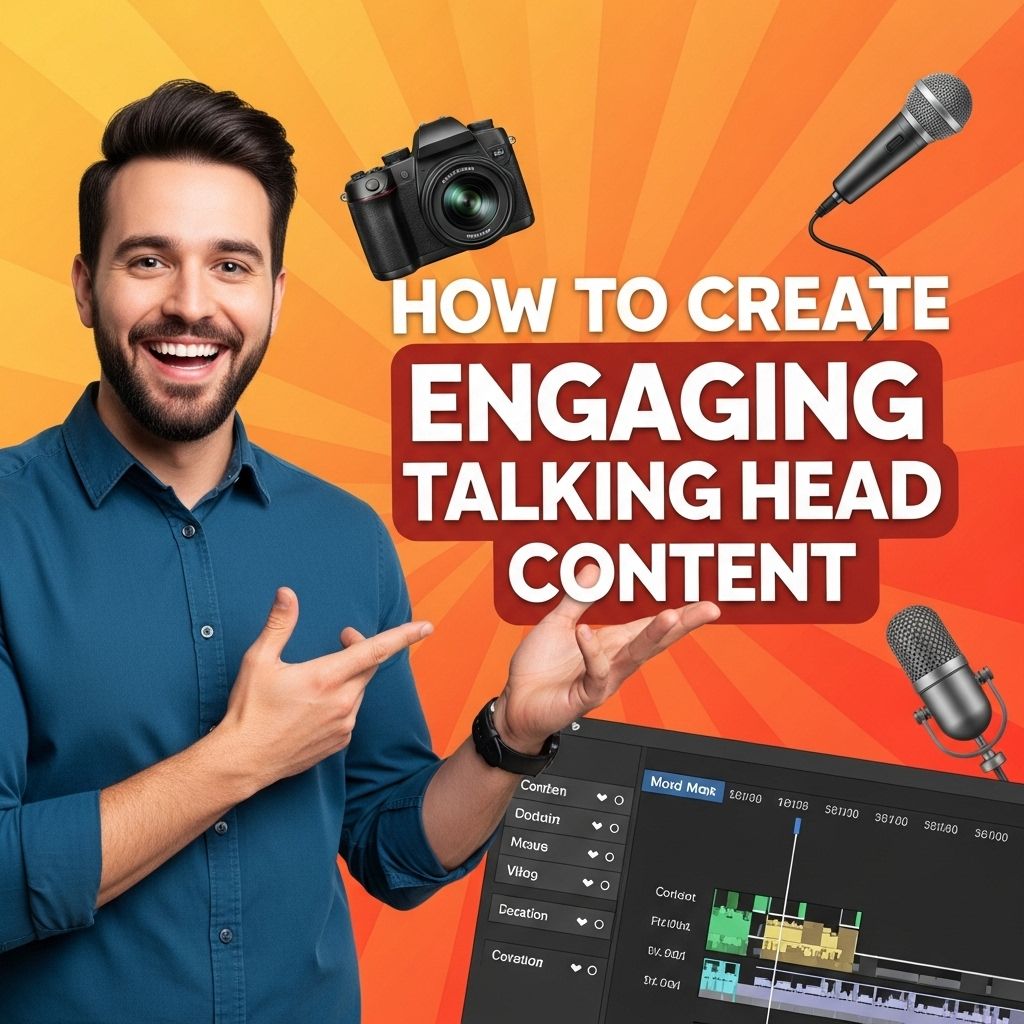
Creating engaging talking head content is essential in today’s fast-paced digital landscape. With the rise of video consumption on platforms like YouTube, TikTok, and Instagram, content creators must adapt their strategies to capture and maintain audience attention. This article delves into the art of creating captivating talking head videos, incorporating various techniques and tips to elevate your content to the next level.
Creating engaging talking head content can significantly enhance your video production, making it more relatable and impactful for your audience. This step-by-step guide will walk you through the essentials of crafting compelling videos, from scripting to framing your shots. For a great visual reference, explore this resource on tube product presentation.
Table of Contents
Understanding Your Audience
Before you start recording, it’s crucial to have a clear understanding of your audience. Knowing who you are talking to can significantly shape the way you present your content.
Key Considerations:
- Demographics: Identify the age, gender, and interests of your audience.
- Preferences: Determine what types of content resonate with them.
- Challenges: Understand their pain points and how your content can address them.
Setting the Scene
The environment in which you create your talking head content plays a pivotal role in the overall quality and engagement of the video. Here are some aspects to consider:
Lighting:
Good lighting can enhance the visual appeal of your videos. Natural light is often the best option, but if you’re shooting indoors, consider investing in softbox lights or ring lights.
Background:
Your background should complement your message without being distracting. Here are some ideas:
- A neutral-colored wall
- A bookshelf with relevant books
- A well-decorated home office
Script and Structure
Having a structured script helps in keeping your content focused and engaging. A well-thought-out script also aids in reducing filler words and long pauses.
Creating Your Script:
- Outline Your Ideas: Jot down the main points you want to cover.
- Hook: Start with an enticing hook to grab attention.
- Body: Provide valuable content, incorporating examples or anecdotes.
- Conclusion: Summarize your main points and include a call-to-action.
Delivery Techniques
Your delivery can make or break the audience’s engagement level. Here are some effective techniques to improve your on-camera presence:
Body Language:
Maintain an open and relaxed posture. Use gestures to emphasize key points, but avoid overdoing it, as it can be distracting.
Vocal Variety:
Vary your tone and pace to keep the audience engaged. Here are some ways to improve vocal delivery:
- Change your pitch to convey emotions.
- Pause for effect after significant statements.
- Use inflection to highlight important points.
Editing for Engagement
Post-production is where you can further enhance your talking head content. Here are some editing tips to consider:
Include Visuals:
Incorporate graphics, images, or video overlays to support your narrative and provide visual interest.
Cutting Unnecessary Content:
Be ruthless in your editing. Remove any filler or off-topic material to maintain a succinct and engaging video.
Adding Music and Sound Effects:
Background music can set the tone of your video. Ensure it complements your content without overpowering your voice.
Promotion and Distribution
Utilizing Social Media:
Share snippets or trailers on platforms like Instagram and Twitter to entice viewers to watch the full video. Tailor your content for each platform:
| Platform | Best Practices |
|---|---|
| YouTube | Optimize titles and descriptions for SEO. |
| Use engaging stories and reels for promotion. | |
| Share professional insights and content. |
Collaborations:
Partner with other creators to tap into their audience. Collaborative content often attracts more viewers and helps build relationships in the creator community.
Measuring Success
After your video has been published, it’s essential to measure its success. Here are some metrics to focus on:
Engagement Metrics:
- Watch Time: Indicates how long viewers are staying engaged with your content.
- Click-Through Rates: Helps assess the effectiveness of your titles and thumbnails.
- Comments and Shares: Gauge audience interaction and sentiment towards your content.
Adjusting Future Content:
Based on the metrics you collect, adjust your content strategy to better align with audience preferences and improve engagement over time.
Conclusion
Creating engaging talking head content is a blend of understanding your audience, delivering valuable information, and leveraging editing techniques. By applying the strategies discussed in this article, you can enhance your video content, keep your audience captivated, and ultimately grow your channel. Remember, the key to success lies in continuous improvement and adaptation to audience feedback.
FAQ
What is talking head content?
Talking head content refers to videos or presentations featuring a person speaking directly to the camera, often used for vlogs, tutorials, or informational content.
How can I make my talking head videos more engaging?
To make your talking head videos more engaging, use a dynamic background, vary your shot angles, incorporate visuals and graphics, and maintain eye contact with the camera.
What equipment do I need for creating talking head content?
Essential equipment includes a good quality camera, a microphone for clear audio, proper lighting to enhance visibility, and video editing software to refine your content.
How important is scripting for talking head videos?
Scripting is important as it helps you stay on topic, ensures clarity in your message, and can make your delivery more natural and confident.
Should I use a teleprompter for talking head videos?
Using a teleprompter can be beneficial for maintaining eye contact with the camera while delivering your content smoothly, especially for longer scripts.
What are some common mistakes to avoid in talking head videos?
Common mistakes include poor lighting, rushed delivery, lack of preparation, distracting backgrounds, and failing to engage with your audience.