In the fast-paced world of digital communication, creating engaging newsletters can be a challenging yet rewarding task. Newsletters serve as a direct line of communication between you and your audience, providing valuable information, updates, and opportunities for engagement. In this article, we will explore how to create compelling newsletters quickly and efficiently, utilizing best practices, tools, and creative strategies.
Creating engaging newsletters doesn’t have to be a time-consuming task. With the help of free bag mockups, you can enhance your branding effortlessly and grab your audience’s attention. For more inspiration, check out these resources on using bag mockups for branding.
Table of Contents
Understanding Your Audience
The first step in crafting an engaging newsletter is understanding who your audience is. This involves research and analysis to ensure that your content resonates with the recipients. Consider the following aspects:
- Demographics: Age, gender, location, and interests of your audience.
- Interests: What topics are your readers passionate about?
- Feedback: Gather insights through surveys or previous newsletter engagement metrics.
Creating Audience Personas
Developing audience personas can help you visualize your readers and tailor your content accordingly. Here’s how to create effective personas:
- Identify Key Traits: Consider age, profession, hobbies, etc.
- Understand Pain Points: What challenges do your readers face?
- Define Goals: What do your readers hope to achieve?
Choosing a Newsletter Format
Once you have a clear understanding of your audience, the next step is to decide on the format of your newsletter. The format will impact how information is presented and how engaging your newsletter can be.
Types of Newsletters
| Type | Description | Ideal For |
|---|---|---|
| Curated Content | Contains a collection of articles or resources from various sources. | Readers who enjoy diverse topics. |
| Promotional | Focuses on products, services, or special offers. | Businesses looking to drive sales. |
| Educational | Offers tutorials, how-tos, and tips. | Readers seeking knowledge or skills. |
| Updates | Shares company news or personal updates. | Organizations wanting to keep stakeholders in the loop. |
Content Creation Strategies
Creating content for your newsletter can be streamlined using various strategies:
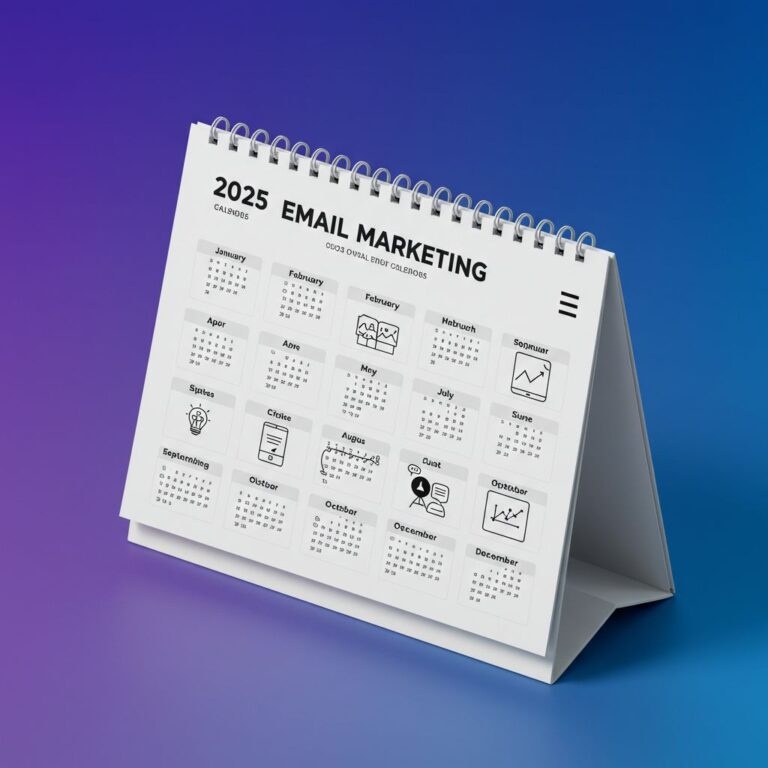
1. Develop a Content Calendar
A content calendar helps you plan your topics in advance, ensuring a consistent flow. Here’s how to create one:
- Brainstorm Topics: List ideas aligned with your audience’s interests.
- Set a Schedule: Determine how often you want to send newsletters (weekly, bi-weekly, monthly).
- Assign Responsibilities: If you work in a team, delegate topics to different members.
2. Use Templates
Utilizing pre-designed templates can save time while ensuring a visually appealing newsletter. Many platforms offer customizable templates:
- Mailchimp: Known for its user-friendly interface and variety of layouts.
- Canva: Offers design tools to create stunning newsletters.
- Constant Contact: Provides templates tailored for different industries.
3. Incorporate Visuals
Including images, infographics, and videos can make your newsletter more engaging. Consider the following:
- Use High-Quality Images: Ensure visuals are relevant and of good resolution.
- Infographics: Summarize complex information in a visually appealing way.
- Videos: Embed short clips to enhance engagement.
Writing Compelling Copy
The words in your newsletter are just as important as the visuals. Here are some tips for writing engaging content:
1. Craft Attention-Grabbing Subject Lines
Your subject line is the first thing your readers will see, so make it count. Use these techniques:
- Be Concise: Aim for 50 characters or less.
- Use Action Words: Encourage readers to click.
- Create Urgency: Phrases like “limited time” can boost open rates.
2. Keep It Concise
Readers have limited time, so get to the point quickly. Use short paragraphs, bullet points, and subheadings to make information digestible. For example:
Do: “Discover our top three tips for productivity!”
Don’t: “In this newsletter, we will discuss various methods to enhance your productivity, which can be quite lengthy and tedious.”
3. Include a Call to Action (CTA)
Always guide your readers on what to do next. A clear CTA can drive engagement, whether it’s visiting your website, signing up for an event, or making a purchase. Examples include:
- “Shop Now”
- “Read More”
- “Join Our Community”
Testing and Analyzing Your Newsletter
After sending out your newsletter, the work isn’t over. Testing and analyzing its performance can provide insights for future improvements.
A/B Testing
Conduct A/B tests to compare different versions of your newsletter. You can test:
- Subject lines
- Content layout
- CTAs
Analyzing Metrics
Focus on key metrics to gauge engagement:
- Open Rate: The percentage of recipients who opened your email.
- Click-Through Rate (CTR): The percentage of readers who clicked on links.
- Conversion Rate: The percentage of readers who took the desired action.
Conclusion
Creating engaging newsletters quickly is an achievable task with the right approach and tools. By understanding your audience, choosing the right format, employing effective content strategies, and continuously testing and analyzing your newsletters, you can enhance reader engagement and deliver value consistently. Start implementing these strategies today, and watch your newsletters become a powerful tool for communication and connection.
FAQ
What are the key elements of an engaging newsletter?
An engaging newsletter should include a catchy subject line, personalized content, valuable information, visually appealing design, and clear calls to action.
How can I quickly gather content for my newsletters?
You can quickly gather content by repurposing blog posts, sharing industry news, curating user-generated content, and using surveys or polls to gather insights from your audience.
What design tips can make my newsletter more appealing?
Use a clean layout, incorporate images and graphics, maintain brand consistency, and ensure it is mobile-responsive to enhance visual appeal.
How often should I send out newsletters for maximum engagement?
The ideal frequency varies, but a monthly or bi-weekly schedule often strikes a good balance between staying top-of-mind and avoiding overwhelming your subscribers.
What metrics should I track to measure newsletter success?
Track open rates, click-through rates, conversion rates, and subscriber growth to measure the effectiveness of your newsletters and identify areas for improvement.