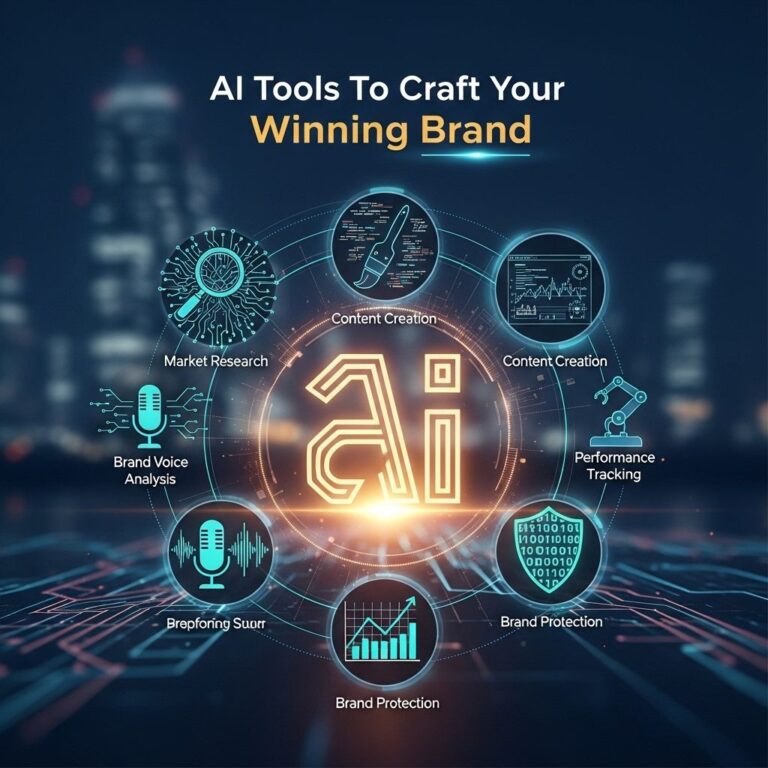
As technology continues to evolve, artificial intelligence (AI) is making waves in various sectors, particularly in video content creation. Creators and brands alike are exploring innovative ways to leverage AI for producing engaging video content that captures the audience’s attention. In this article, we’ll explore five exciting ideas that can help you create compelling AI-driven video content.
In the evolving landscape of digital content, AI-generated videos offer unique opportunities for creativity and engagement. From interactive storytelling to educational tutorials, leveraging these technologies can captivate audiences in innovative ways. To enhance your visuals, consider using resources like download free bag mockups for a polished look.
Table of Contents
1. AI-Powered Storytelling
One of the most powerful applications of AI in video content creation is its ability to enhance storytelling. With AI tools, content creators can analyze audience preferences and tailor narratives that resonate with viewers.
How to Implement AI-Powered Storytelling
- Data Analysis: Utilize AI analytics tools to gather insights about viewer preferences, such as their favorite genres, themes, and content types.
- Script Development: Use AI writing assistants to draft engaging scripts based on the data collected, ensuring that the narratives maintain a flow that captivates audiences.
- Character Development: Incorporate AI to create multidimensional characters that evolve throughout the story, making them relatable and engaging.
2. Personalized Video Content
With the rise of personalized marketing, creating tailored video content is crucial. AI can analyze user data to create videos that are specifically customized for individual viewers.
Benefits of Personalized Video Content
- Higher Engagement Rates: Tailored content is often more relevant to viewers, leading to increased interaction.
- Improved Retention: Personalized videos can help retain viewers as they feel more connected to the brand or message.
- Enhanced Customer Experience: Delivering content that speaks to individual preferences can significantly enhance the overall customer experience.
To create personalized video content, consider using AI tools that allow for dynamic video templates. These tools can automatically insert personalized elements such as names, location-based information, or previous interactions into the video.
3. AI-Generated Video Summaries
With information overload being a significant issue today, AI can help by creating concise video summaries that highlight the key points of longer videos.
Advantages of Video Summaries
| Advantage | Description |
|---|---|
| Time-Saving | Viewers can quickly grasp essential information without watching lengthy videos. |
| Increased Shareability | Short, engaging summaries are more likely to be shared on social media platforms. |
| Enhanced Accessibility | Summaries make content accessible to those who may not have time to watch full videos. |
AI tools can analyze video content to extract key points and automatically generate engaging summaries. This not only saves time but also improves the chances of sharing the content.
4. Interactive Video Experiences
Another exciting avenue is creating interactive video experiences powered by AI. These videos can respond to viewer choices, making the content more engaging and personalized.
Implementing Interactive Videos
- Branching Scenarios: Create videos where viewers can choose different paths, leading to various outcomes based on their selections.
- Real-time Feedback: Utilize AI to provide immediate feedback based on viewer decisions, enhancing the overall interaction.
- Gamified Elements: Incorporate gaming mechanics, such as scoring or rewards, to motivate viewers to engage more deeply with the content.
Interactive videos encourage active participation, making the viewing experience more memorable. This format is particularly effective for educational content, where viewers can explore different topics at their own pace.
5. Deepfake Technology for Creative Storytelling
While deepfake technology has garnered mixed reviews, when used responsibly, it can create innovative storytelling opportunities in video content.
Creative Uses for Deepfake Technology
- Historical Reenactments: Use deepfake technology to recreate historical figures for educational or entertainment purposes.
- Character Animation: Bring animated characters to life by mapping their expressions onto actors’ faces.
- Parody and Satire: Create humorous content by utilizing deepfake technology to place familiar faces in unexpected scenarios.
It’s crucial to approach deepfake technology ethically, ensuring that consent is obtained and that the content is appropriately labeled to avoid misinformation.
Conclusion
AI is revolutionizing the video content landscape, offering creators endless possibilities for engagement and innovation. By exploring these five ideas—AI-powered storytelling, personalized content, video summaries, interactive experiences, and deepfake technology—content creators can stay ahead of the curve and captivate their audiences in new and exciting ways. As we look to the future, embracing AI in video content will undoubtedly lead to more dynamic, interactive, and personalized viewer experiences.
FAQ
What are some creative ideas for AI-generated video content?
You can create AI-generated tutorials, personalized storytelling videos, interactive quizzes, AI art showcases, and virtual influencers.
How can I use AI to enhance my video content?
AI can help in scriptwriting, video editing, generating visuals, personalizing content for viewers, and optimizing video performance through analytics.
What types of AI tools are best for creating engaging video content?
Some popular AI tools include Pictory for video creation, Descript for editing, Runway for visual effects, and Lumen5 for transforming text into video.
How can AI personalize video content for my audience?
AI can analyze viewer data to tailor content, recommend specific topics, and create unique video experiences based on user preferences.
Are there any best practices for using AI in video production?
Best practices include clearly defining your goals, testing different AI tools, ensuring high-quality outputs, and continually refining based on viewer feedback.