As we navigate through the complexities of modern finance, establishing an emergency fund has become more crucial than ever. With economic uncertainties looming on the horizon and unexpected expenses lurking around every corner, having a robust financial safety net can be the difference between financial stability and chaos. In this article, we will explore innovative strategies and ideas to bolster your emergency fund by 2025, ensuring you are well-prepared for any unforeseen circumstances.
Table of Contents
Understanding the Importance of an Emergency Fund
Before diving into specific strategies, it’s essential to understand what an emergency fund is and why it matters:
- Definition: An emergency fund is a savings account set aside for unplanned expenses that can arise in life, such as medical emergencies, car repairs, or sudden job loss.
- Financial Security: It provides a safety net that prevents you from falling into debt during difficult times.
- Peace of Mind: Knowing you have money set aside for emergencies can reduce stress and allow you to focus on long-term goals.
Setting Your Emergency Fund Goals
Establishing your emergency fund starts with setting clear goals. Here’s how to determine the right amount for your fund:
Evaluate Your Monthly Expenses
Calculate your essential monthly expenses, including:
- Housing costs (rent/mortgage)
- Utilities
- Groceries
- Transportation
- Insurance premiums
- Debt payments
Once you have this figure, aim for an emergency fund that covers three to six months’ worth of these expenses.
Consider Your Unique Circumstances
Your personal situation may require a tailored approach:
- If you’re a freelancer or have a fluctuating income, aim for six to twelve months of expenses.
- Parents or caregivers may want to factor in childcare costs or education expenses.
- Homeowners might consider potential repairs and maintenance costs.
Innovative Strategies to Build Your Emergency Fund
Once you’ve set your goals, it’s time to explore innovative strategies to build your emergency fund effectively:
1. Automate Your Savings
One of the most efficient ways to save is through automation. Here’s how to do it:
- Set up automatic transfers from your checking account to a separate savings account dedicated to your emergency fund.
- Schedule these transfers for the day after payday to ensure saving comes first.
2. Use High-Interest Savings Accounts
Traditional savings accounts often offer low-interest rates. Instead, consider the following options:
| Account Type | Average Interest Rate | Best For |
|---|---|---|
| High-Yield Savings Account | 0.50% – 2.00% | Accessibility and liquidity |
| Money Market Account | 0.05% – 1.10% | Higher balances with check-writing ability |
| Certificates of Deposit (CDs) | 0.10% – 4.00% | Long-term savings for specific goals |
3. Implement the 50/30/20 Rule
This budgeting approach can help you allocate your finances effectively:
- 50% of your income should go to necessities.
- 30% can be spent on wants.
- 20% should be directed towards savings, including your emergency fund.
4. Side Hustles: Boost Your Savings
Consider generating additional income through side hustles. Options include:
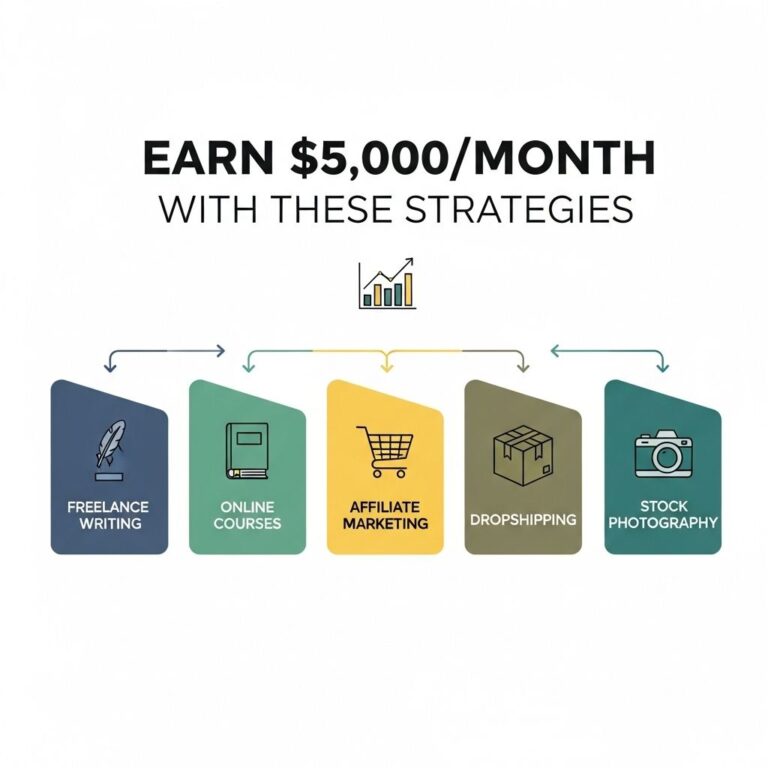
- Freelancing in your area of expertise
- Driving for rideshare or delivery services
- Participating in online surveys or market research
Investment Strategies for Your Emergency Fund
While an emergency fund should be liquid and readily accessible, there are ways to make your money work harder for you:
1. Short-Term Investments
Consider low-risk options like:
- Bond funds
- Short-term certificates of deposit (CDs)
- High-yield savings accounts
2. Stay Informed About Market Trends
Keeping an eye on economic indicators can help you make better investment decisions:
- Understand interest rate trends to optimize your savings accounts.
- Use financial news apps to track changes in the market that may affect your investments.
Review and Adjust Your Emergency Fund Regularly
Setting your emergency fund is not a one-time task; it requires periodic reviews:
Assess Your Financial Situation
Every 6 to 12 months, evaluate the following:
- Changes in your monthly expenses
- Your income stability
- Economic changes that may impact your financial goals
Adjust Your Savings Goals Accordingly
If your circumstances change:
- Increase your savings target if your expenses rise or your income is unstable.
- Consider decreasing the target if you achieve a higher level of financial security.
Conclusion
As we approach 2025, enhancing your emergency fund through innovative strategies and mindful financial practices is essential for maintaining financial stability. By setting clear goals, automating your savings, exploring investment opportunities, and regularly reviewing your financial situation, you can ensure that you are well-prepared for whatever life throws your way. Remember, building an emergency fund is not just about saving money; it’s about creating a foundation for a secure financial future.
FAQ
What is an emergency fund and why is it important?
An emergency fund is a savings account specifically set aside for unexpected expenses or financial emergencies, providing a financial safety net that can help you avoid debt.
How much should I have in my emergency fund for 2025?
Financial experts recommend having three to six months’ worth of living expenses saved in your emergency fund to cover unforeseen circumstances.
Where should I keep my emergency fund?
It’s best to keep your emergency fund in a high-yield savings account or a money market account that offers easy access while earning interest.
What are some effective strategies to build an emergency fund in 2025?
Consider automating your savings, cutting unnecessary expenses, and setting up a separate account dedicated solely to your emergency fund.
What qualifies as a financial emergency?
Financial emergencies can include unexpected medical expenses, car repairs, job loss, or urgent home repairs that require immediate attention.
How often should I review my emergency fund?
It’s advisable to review your emergency fund at least annually or after significant life changes to ensure it meets your current financial needs.