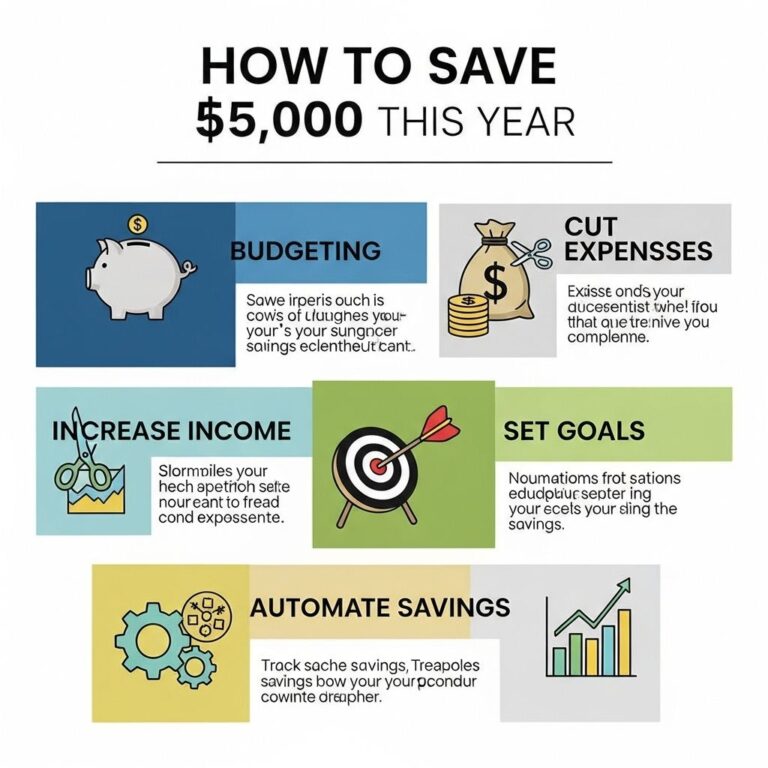
Building an emergency fund is a crucial step towards achieving financial stability and security. For many, saving can feel somewhat daunting, especially when your income is tight or your expenses are high. However, even saving as little as $50 a month can accumulate into a substantial safety net over time. This article delves into the importance of an emergency fund, tips for saving on a budget, and practical strategies to ensure you stay committed to your savings goals.
Table of Contents
Why an Emergency Fund is Essential
Having an emergency fund means you have a financial cushion ready to absorb unexpected expenses that life throws your way. Here are several reasons why an emergency fund is a must-have:
- Financial Security: An emergency fund provides peace of mind, knowing you can cover unforeseen expenses without resorting to credit cards or loans.
- Reduced Stress: Life is unpredictable, and having a financial buffer can significantly reduce stress during emergencies.
- Avoiding Debt: An emergency fund minimizes the need to go into debt for sudden expenses, helping you maintain a healthier credit score.
- Flexibility: It offers you the flexibility to make important life decisions, such as changing jobs or moving, without the pressure of financial constraints.
Setting Realistic Savings Goals
Starting with a modest goal, like saving $50 a month, can make the journey of building an emergency fund more attainable. Here’s how to break down your savings plan:
Determine Your Target Amount
It’s essential to have a clear idea of how much you want to save. A common recommendation is to save three to six months’ worth of living expenses. Here’s how to approach it:
| Monthly Expenses | 3 Months Fund | 6 Months Fund |
|---|---|---|
| $1,000 | $3,000 | $6,000 |
| $1,500 | $4,500 | $9,000 |
| $2,000 | $6,000 | $12,000 |
Using the $50/Month Plan
If you save $50 each month, here’s how much you’ll have after different periods:
- 1 year: $600
- 2 years: $1,200
- 3 years: $1,800
- 5 years: $3,000
While this may take time to reach your desired fund amount, consistency is key. The incremental savings can set a solid foundation.
Strategies to Save $50 Each Month
Finding ways to save even small amounts can have a significant impact over time. Here are various strategies to help you save $50 each month:
1. Create a Budget
Start by tracking your monthly income and expenses. Identify areas where you can cut back:
- Dining out less frequently
- Reducing subscription services
- Shopping sales and using coupons
2. Automate Your Savings
Set up an automatic transfer of $50 from your checking to your savings account monthly. This will make saving feel effortless and help you avoid the temptation to spend.
3. Utilize Cash-Back Rewards
Take advantage of cash-back apps and rewards programs. The savings you earn can directly contribute to your emergency fund:
- Cash-back credit cards
- Shopping apps like Rakuten
- Reward programs from grocery stores
4. Sell Unused Items
Declutter your home and sell items you no longer need. Use platforms like eBay, Facebook Marketplace, or local consignment shops to earn some extra cash.
Staying Motivated and Committed
While saving $50 every month is achievable, it often requires commitment. Here are some tips to stay motivated:
1. Set Milestones
Establish short-term milestones to celebrate as you progress towards your ultimate savings goal. For instance:
- After three months: Treat yourself to a small reward.
- After reaching $600: Buy a book or gadget you’ve wanted.
2. Visualize Your Goals
Create a visual reminder of your emergency fund goals. Use a savings thermometer or a dedicated savings app to visualize your progress.
3. Keep Your Goals Realistic
Sometimes, life can throw curveballs that make it tough to save consistently. If you can’t save $50 in a given month, don’t be hard on yourself. The key is to get back on track as soon as possible.
Conclusion
Starting an emergency fund with just $50 a month is not only practical but also achievable for most individuals. By being disciplined and strategically identifying areas to cut back on expenses, you can build a significant safety net over time. Remember, the journey of financial security is a marathon, not a sprint. With patience and persistence, you’ll find that your small savings will add up to a robust emergency fund that can provide peace of mind and security when it matters most.
FAQ
What is an emergency fund?
An emergency fund is a savings account specifically set aside for unexpected expenses, such as medical emergencies, car repairs, or job loss.
How can I build an emergency fund with just $50 a month?
You can build an emergency fund by consistently saving $50 each month. Over time, this amount will accumulate, providing you with a financial cushion.
How long will it take to save $1,000 with $50 a month?
If you save $50 a month, it will take you 20 months to save $1,000, not including any interest earned.
Where should I keep my emergency fund?
It’s best to keep your emergency fund in a high-yield savings account or a separate savings account that is easily accessible but not too tempting to use.
What are the benefits of having an emergency fund?
An emergency fund provides financial security, reduces stress during unexpected events, and helps you avoid debt when emergencies arise.
Can I use my emergency fund for non-emergencies?
It’s advisable to only use your emergency fund for true emergencies to ensure that you have the necessary funds available when an unexpected situation occurs.