In the fast-paced world of eCommerce, staying ahead requires more than just a great product. With the market becoming increasingly competitive, effective marketing strategies are essential for driving traffic, converting leads, and retaining customers. This article will delve into ten proven eCommerce marketing strategies that can elevate your business and ensure long-term success.
In the ever-evolving landscape of eCommerce, understanding effective marketing strategies is crucial for success. This guide explores 10 proven tactics that can elevate your online beer business, helping you attract and retain customers. For those looking to enhance their branding, check out these beer mockup resources.
Table of Contents
Understanding Your Target Audience
The first step in any marketing strategy is understanding your audience. Knowing their preferences, behaviors, and pain points allows you to tailor your marketing efforts more effectively. Here’s how you can gain insights:
- Conduct surveys and polls to gather direct feedback.
- Utilize analytics tools to track customer behavior on your site.
- Engage with customers on social media to understand their interests.
Leveraging SEO for Visibility
Search Engine Optimization (SEO) is crucial for increasing your eCommerce site’s visibility. By optimizing your website, you can improve organic search rankings and attract more visitors. Consider these strategies:
Keyword Research
Identify relevant keywords that your target audience is searching for:
- Use tools like Google Keyword Planner and Ahrefs.
- Focus on long-tail keywords for higher conversion rates.
On-Page SEO
Ensure that product titles, descriptions, and images are optimized:
- Use descriptive file names and alt tags for images.
- Include targeted keywords in product titles and descriptions.
Utilizing Content Marketing
Content marketing is an effective way to engage customers. By providing valuable information, you can establish your brand as an authority in your niche:
Types of Content
Consider the following content types:
- Blog posts that educate or entertain.
- Videos showcasing product usage or tutorials.
- Infographics that present data in an easily digestible format.
Content Distribution
Share your content across various platforms:
- Social media networks like Facebook, Instagram, and Twitter.
- Email newsletters to keep customers updated.
- Guest blogging on industry-related sites to reach a wider audience.
Implementing Email Marketing Campaigns
Email marketing remains one of the most effective channels for eCommerce businesses. Here’s how to make the most of it:
Building Your Email List
Strategies to grow your email list include:
- Offering discounts or free products in exchange for email sign-ups.
- Creating engaging lead magnets like eBooks or exclusive content.
Crafting Compelling Campaigns
Ensure your emails are engaging and tailored:
- Personalize emails by using the recipient’s name and preferences.
- Include clear calls to action that lead directly to your website.
Harnessing the Power of Social Media
Social media platforms are essential for reaching and engaging with customers. Here are some strategies:
Choose the Right Platforms
Focus on the platforms where your target audience is most active:
- Instagram for visually-driven products.
- LinkedIn for B2B offerings.
- Facebook for community building and engagement.
Creating Engaging Content
Types of content that perform well on social media include:
- Images and videos showcasing products.
- User-generated content that encourages customer interaction.
- Polls and questions that drive conversation.
Implementing Pay-Per-Click Advertising
PPC advertising can provide immediate visibility and traffic. Here’s how to effectively use PPC:
Google Ads and Facebook Ads
Utilize these platforms to reach your target audience:
- Set a clear budget and goals for your campaigns.
- Utilize retargeting to capture potential customers who have shown interest.
Measuring Campaign Success
Track important metrics to evaluate your PPC campaigns:
| Metric | Importance |
|---|---|
| Click-Through Rate (CTR) | Indicates how well your ads are performing. |
| Conversion Rate | Measures the success of your ads in generating sales. |
| Return on Ad Spend (ROAS) | Calculates revenue generated for every dollar spent on advertising. |
Enhancing Customer Experience with Personalization
Personalization can dramatically improve customer satisfaction and loyalty. Implement these strategies:
Personalized Recommendations
Utilize algorithms to suggest products based on browsing history:
- Show related products on product pages.
- Send personalized emails with recommendations.
Customized Shopping Experience
Consider tailoring the shopping experience:
- Allow users to customize products or bundles.
- Provide a wish list feature for saving favorite items.
Utilizing Influencer Marketing
Influencer marketing can help you reach new audiences. Here’s how to leverage it:
Finding the Right Influencers
Consider these points:
- Look for influencers who align with your brand values.
- Engage with micro-influencers for targeted audiences.
Creating Authentic Partnerships
Focus on building genuine relationships:
- Collaborate on content that showcases your products authentically.
- Encourage influencers to share their personal experiences with your brand.
Analyzing and Optimizing Performance
Continuous analysis and optimization are critical for success. Follow these steps:
Regular Performance Reviews
Schedule regular reviews to assess the effectiveness of your marketing strategies:
- Use analytics tools to track website traffic and sales.
- Adjust campaigns based on performance data.
A/B Testing
Implement A/B testing for various elements:
- Test different headlines, images, or calls to action.
- Analyze results to determine the best-performing variations.
Conclusion
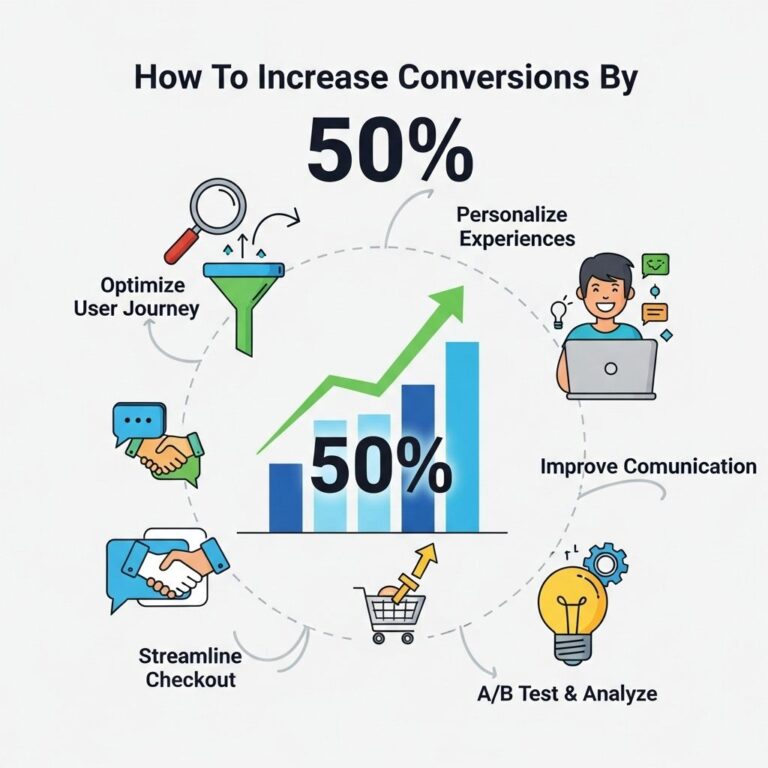
In the eCommerce landscape, employing a combination of effective marketing strategies is essential for success. Understanding your audience, leveraging SEO, utilizing content and email marketing, and optimizing your customer experience can significantly boost your eCommerce store’s performance. As you implement these strategies, continually analyze and adjust based on performance data to ensure you stay competitive in this dynamic industry.
FAQ
What are the top eCommerce marketing strategies?
The top eCommerce marketing strategies include SEO optimization, social media marketing, email marketing, content marketing, influencer partnerships, and pay-per-click advertising.
How can SEO improve my eCommerce site?
SEO improves your eCommerce site by enhancing visibility on search engines, attracting organic traffic, and ultimately increasing conversions through targeted keyword strategies.
What role does social media play in eCommerce marketing?
Social media plays a crucial role in eCommerce marketing by building brand awareness, engaging with customers, and driving traffic to your online store through targeted ads and organic posts.
Why is email marketing effective for eCommerce?
Email marketing is effective for eCommerce because it allows businesses to reach customers directly, provide personalized offers, and nurture customer relationships to encourage repeat purchases.
How can I use content marketing to boost my eCommerce sales?
Content marketing boosts eCommerce sales by creating valuable and informative content that attracts potential customers, enhances brand authority, and encourages engagement with your product offerings.
What are the benefits of influencer marketing for eCommerce?
Influencer marketing benefits eCommerce by leveraging trusted voices to promote products, expanding reach to niche audiences, and enhancing brand credibility through authentic endorsements.