Starting an online business can be a transformative journey, offering the freedom to work on your terms and the potential for significant income. Whether you are looking to escape the 9-to-5 grind, generate extra income, or build a full-fledged enterprise, the internet provides numerous avenues to create and grow a business with relative ease. In this article, we will explore actionable steps and resources to help you start an easy online business.
Table of Contents
Understanding the Online Business Landscape
The online business arena is vast and varied. With options ranging from e-commerce to content creation, understanding the landscape is crucial before diving in. Here are some popular categories:
- E-commerce: Selling products directly to consumers through platforms like Shopify or Amazon.
- Affiliate Marketing: Promoting other companies’ products and earning a commission for every sale made through your referral.
- Online Courses: Creating and selling educational content on platforms like Udemy or Teachable.
- Blogging/Vlogging: Generating income through content creation, advertising, sponsorships, or memberships.
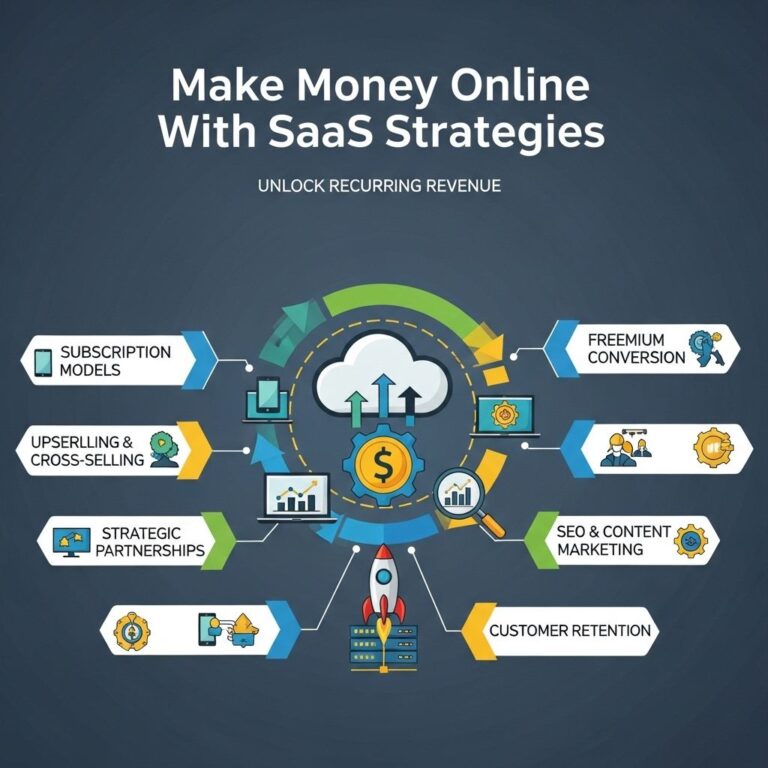
- Software as a Service (SaaS): Developing and selling software solutions over the internet.
Identifying Your Niche
Before launching your business, it’s essential to identify a niche that resonates with your interests and market demand. Here’s how to find your niche:
1. Research and Brainstorm
Begin by brainstorming your passions, skills, and experiences. Consider how these can intersect with consumer needs. Use tools like Google Trends or Answer the Public to gauge potential interest in various topics.
2. Analyze the Competition
Evaluate existing businesses in your chosen niche. Analyze their strengths and weaknesses, and identify gaps in the market that your business could fill. Use competitor analysis tools like SEMrush or Ahrefs to gain insights.
3. Validate Your Idea
Once you have a potential niche, validate your business idea through surveys, social media polls, or landing pages to gauge interest before fully committing.
Setting Up Your Online Business
With your niche defined, it’s time to set up your online business. Here’s a structured approach:
1. Choose Your Business Model
Decide on a business model that aligns with your goals. Evaluate the pros and cons of various models:
| Business Model | Pros | Cons |
|---|---|---|
| E-commerce | High-profit margins, variety of products | Inventory management, shipping logistics |
| Affiliate Marketing | Low startup costs, passive income potential | Dependence on other brands, competitive space |
| Online Courses | Scalable, growing demand for online education | Content creation can be time-consuming |
| Blogging/Vlogging | Creative expression, diverse income streams | Requires consistent effort, income may take time to build |
2. Create a Business Plan
A solid business plan will serve as your roadmap. Outline your business goals, target audience, marketing strategies, and financial projections. Keep it concise, focusing on key elements that will drive your business forward.
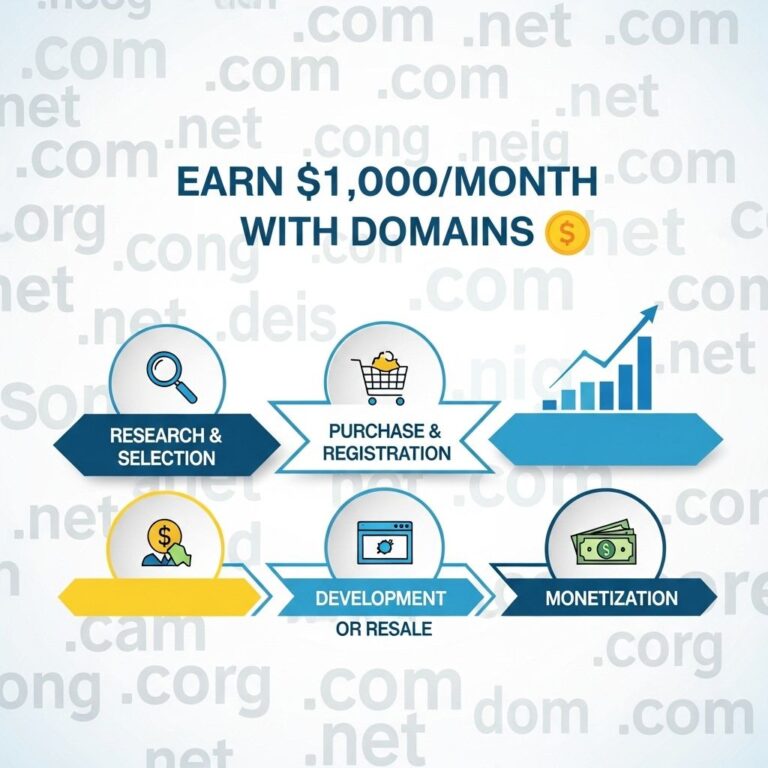
3. Register Your Domain and Set Up a Website
Your website is your business’s digital storefront. Choose a domain name that reflects your brand and is easy to remember. Use website builders like WordPress, Wix, or Squarespace to create your site:
- Pick a suitable theme that aligns with your brand.
- Optimize your site for mobile users.
- Implement SEO best practices to increase visibility on search engines.
Marketing Your Online Business
Once your business is set up, effective marketing is crucial to attract customers. Here are some strategies:
1. Leverage Social Media
Utilize platforms like Instagram, Facebook, and LinkedIn to reach your audience. Create engaging content, interact with followers, and use targeted advertising to expand your reach.
2. Utilize Email Marketing
Email marketing remains a powerful tool for converting leads into customers. Build an email list by offering valuable content or discounts in exchange for sign-ups. Use services like Mailchimp or ConvertKit to manage your campaigns.
3. Invest in SEO
Search Engine Optimization (SEO) is essential for driving organic traffic to your website. Focus on:
- Keyword research to determine relevant search terms.
- On-page SEO, such as meta tags and alt text for images.
- Building backlinks from reputable websites.
4. Explore Paid Advertising
Consider using paid advertising to boost your visibility. Platforms like Google Ads or Facebook Ads can help you target specific demographics effectively. Start with a small budget and analyze what works best for your business.
Scaling Your Online Business
Once your business gains traction, consider ways to scale:
1. Diversify Your Product or Service Offering
Expand your offerings to attract a wider audience. If you’re selling products, think about introducing related items. If you offer services, consider creating packages or subscriptions.
2. Automate Processes
Utilize tools like Zapier or Automate.io to streamline repetitive tasks such as email responses, inventory management, and social media scheduling. This will allow you to focus on growth strategies.
3. Collaborate with Other Businesses
Partnerships can help you reach new audiences. Collaborate with influencers, bloggers, or other brands within your niche through co-marketing initiatives or joint ventures.
Conclusion
Starting an online business may seem daunting, but with the right approach and resources, it can be an enjoyable and rewarding venture. By understanding the landscape, identifying your niche, setting up effectively, and implementing strategic marketing, you can build a business that thrives in the digital world. Remember, the key to success lies in continual learning, adaptation, and execution. Embrace the journey and watch your online business flourish!
FAQ
What are the first steps to starting an easy online business?
To start an easy online business, begin by identifying your niche or passion, conducting market research, creating a business plan, and choosing the right online platform to sell your products or services.
What online business ideas require minimal investment?
Some online business ideas that require minimal investment include dropshipping, affiliate marketing, blogging, and offering freelance services.
How can I market my online business effectively?
To market your online business effectively, utilize social media platforms, engage in content marketing, run targeted ads, and optimize your website for search engines (SEO).
What tools do I need to start an online business?
Essential tools for starting an online business include a website builder, e-commerce platform, email marketing software, and analytics tools to track performance.
How long does it take to start seeing profits from an online business?
The time it takes to see profits from an online business varies, but with dedication and effective marketing strategies, you can start seeing results within a few months.
Is it necessary to have a business license for an online business?
Whether you need a business license for your online business depends on your location and the nature of your business; it’s essential to check local regulations.