In today’s fast-paced digital landscape, the ability to automate repetitive tasks is not just a luxury—it’s a necessity. Automation tools can help businesses streamline their operations, reduce human error, and free up valuable time for employees to focus on more strategic initiatives. This article delves into some of the top automation tools available today, exploring their features, benefits, and how they can be leveraged to maximize productivity and profitability.
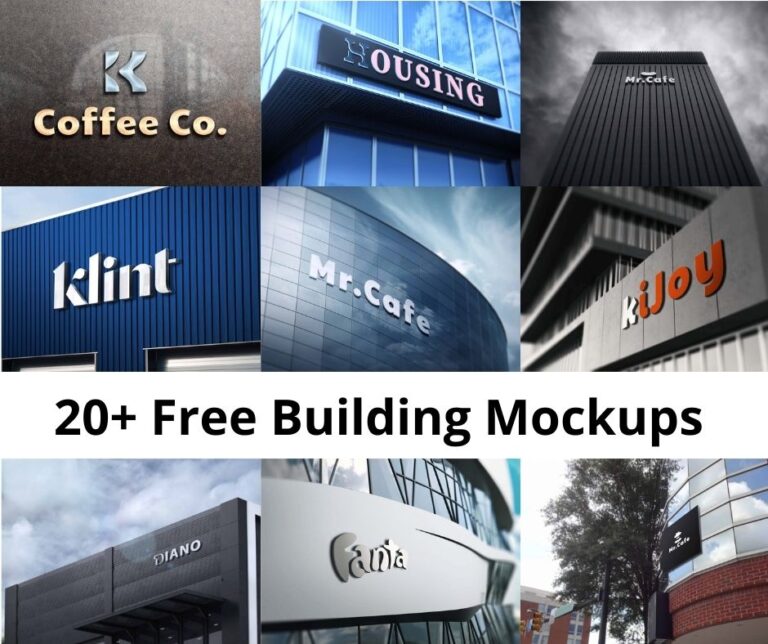
Boosting your income can be achieved by leveraging the power of automation tools. These resources streamline processes, saving you time and enhancing productivity. For instance, if you’re in the design domain, utilizing free assets like varieties of bag mockups can elevate your work quality without affecting your budget.
Table of Contents
Understanding Automation Tools
Automation tools are software applications designed to perform specific tasks or processes without human intervention. They can significantly enhance efficiency by handling repetitive tasks that would otherwise consume considerable time and resources. Below are some key benefits of using automation tools:
- Increased Efficiency: Automation tools can perform tasks faster than humans, leading to significant time savings.
- Cost Reduction: By minimizing the need for manual labor, businesses can reduce operational costs.
- Improved Accuracy: Automation reduces the risk of human error, ensuring higher quality outputs.
- Enhanced Scalability: With the right tools, businesses can scale their operations smoothly without a proportional increase in costs.
Key Categories of Automation Tools
Automation tools can be categorized into various types based on their functionalities. Understanding these categories can help businesses choose the right tools for their specific needs.
1. Marketing Automation Tools
Marketing automation tools are designed to streamline marketing efforts by automating repetitive tasks such as social media posting, email marketing, and lead generation. Some popular tools in this category include:
| Tool | Features | Pricing |
|---|---|---|
| HubSpot | Email marketing, social media management, analytics | Starts at $45/month |
| Mailchimp | Email campaigns, audience segmentation, A/B testing | Free up to 500 contacts, paid plans start at $13/month |
| ActiveCampaign | Email automation, CRM, sales automation | Starts at $9/month |
2. Project Management Automation Tools
These tools help teams manage projects, schedule tasks, and track progress without the need for constant oversight. Notable project management tools include:
- Trello: A visual project management tool that uses boards and cards to organize tasks.
- Asana: A task management software that allows teams to track work and manage projects efficiently.
- ClickUp: An all-in-one project management platform that provides time tracking, goal setting, and reporting.
3. Sales Automation Tools
Sales automation tools assist in managing the sales process, from lead generation to closing deals. Key players in this category include:
- Salesforce: A comprehensive CRM solution that automates sales processes and provides analytics.
- Pipedrive: A sales-focused CRM that aids in managing sales pipelines and tracking deals.
- Zoho CRM: An affordable CRM tool that automates sales tasks and integrates with other Zoho applications.
Choosing the Right Automation Tool
When selecting an automation tool, businesses should consider several factors to ensure that they are making the right choice. Here are some key considerations:
1. Identify Your Needs
Before investing in an automation tool, it’s essential to identify the specific tasks you want to automate. Create a list of pain points and prioritize them based on their impact on your operations.
2. Assess Integration Capabilities
Ensure that the tool can integrate with your existing software stack. Seamless integration can enhance functionality and improve data flow between systems.
3. Evaluate User-Friendliness
Choose a tool that is easy to use and requires minimal training for your team. A complicated interface can lead to low adoption rates.
4. Consider Scalability
Select a tool that can scale with your business as it grows. The last thing you want is to outgrow your automation solution.
Best Practices for Implementing Automation Tools
Once you’ve chosen the right automation tool, implementation is key to maximizing its benefits. Here are some best practices to consider:
- Start Small: Begin with automating a few simple tasks before gradually expanding to more complex processes.
- Monitor Performance: Continually assess the effectiveness of the automation and adjust your approach as needed.
- Train Your Team: Provide adequate training to ensure all team members are comfortable using the new tool.
- Gather Feedback: Encourage team members to provide feedback on the automation processes to identify areas for improvement.
The Future of Automation Tools
The landscape of automation tools is constantly evolving, driven by advancements in technology such as artificial intelligence and machine learning. Here are some trends to keep an eye on:
- AI-Powered Automation: As AI continues to advance, we can expect more intelligent automation tools capable of learning and adapting to specific business needs.
- Enhanced Data Analytics: Future automation tools will likely offer improved analytics capabilities, providing deeper insights into business processes.
- Increased Collaboration: Tools that foster collaboration among teams will become more prominent as remote work and virtual teams continue to grow.
In conclusion, automation tools are essential for businesses looking to enhance efficiency, reduce costs, and improve accuracy. By understanding the various categories of automation tools and following best practices for implementation, organizations can effectively leverage these tools to drive productivity and profitability.
FAQ
What are the benefits of using automation tools for my business?
Automation tools can significantly increase efficiency, reduce human error, and save time by streamlining repetitive tasks.
Which automation tools are best for small businesses?
Some of the best automation tools for small businesses include Zapier, HubSpot, and Hootsuite, as they cater to various needs from marketing to project management.
How can automation tools help in increasing sales?
Automation tools can help increase sales by automating lead generation, nurturing customer relationships, and providing personalized marketing campaigns.
Are automation tools expensive to implement?
Many automation tools offer flexible pricing plans, and the cost can vary based on the features needed, making them accessible for businesses of all sizes.
Can automation tools integrate with existing software?
Yes, most modern automation tools are designed to integrate seamlessly with existing software systems, ensuring a smooth transition and enhanced workflow.
How do I choose the right automation tool for my needs?
To choose the right automation tool, assess your specific business needs, budget, and the features that will provide the most value in streamlining your operations.