In today’s digital age, the opportunity to earn money online has never been more accessible. Whether you’re looking to supplement your income or create a full-time business, selling products online can be a lucrative venture. With the right strategy and execution, making $1,000 per month is achievable for anyone willing to put in the effort. This article will explore various approaches to launching an online product business, the necessary steps, and the tools you can utilize for success.
Generating an extra $1,000 a month can be achievable by selling online products, particularly in niche markets such as jar cosmetics. Understanding your audience and offering unique designs can set your products apart. For those looking to create appealing product visuals, resources like jar mockup resources can be indispensable.
Table of Contents
Finding Your Niche
The first step in selling products online is identifying a niche that resonates with you and has market potential. Here are some strategies to find your niche:
- Market Research: Use tools like Google Trends, SEMrush, or Ahrefs to identify trending products and keywords.
- Personal Interest: Consider your hobbies or interests that could translate into product offerings.
- Competitor Analysis: Explore what competitors are selling and identify gaps in the market.
Popular Niches to Consider
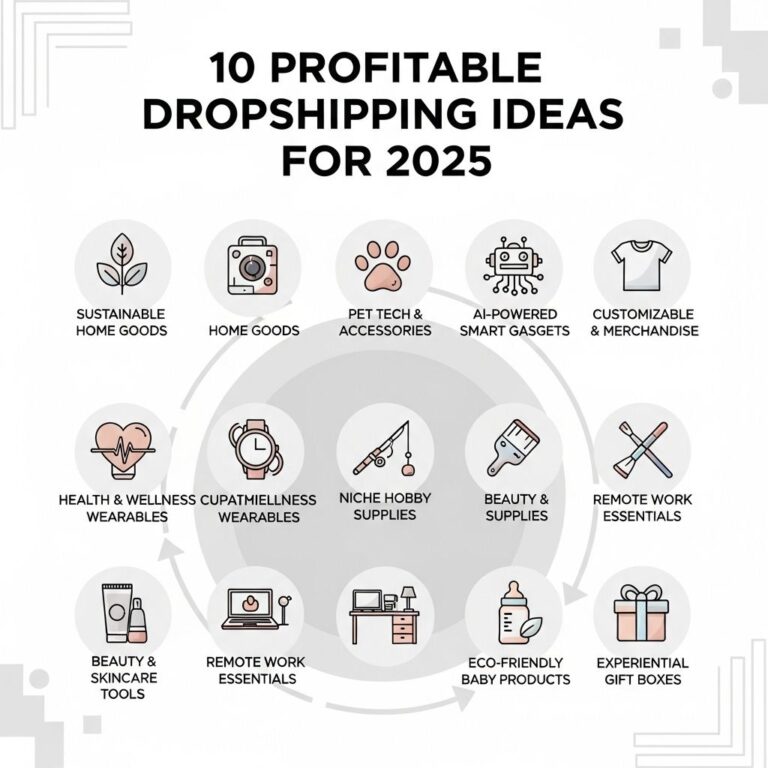
Some trending niches that have shown consistent profitability include:
- Health and wellness products
- Eco-friendly products
- Pet supplies
- Tech gadgets and accessories
- Home office equipment
Choosing the Right Products
Once you’ve identified your niche, it’s crucial to select the right products to sell. Here’s how to evaluate product potential:
| Criteria | Description |
|---|---|
| Demand | Use tools like Amazon Best Sellers to gauge demand. |
| Profit Margin | Ensure the products have a good profit margin after accounting for costs. |
| Shipping Costs | Consider lightweight items to minimize shipping costs. |
| Competition | Assess how saturated the market is for your chosen products. |
Setting Up Your Online Store
With your products chosen, it’s time to set up your online store. There are various platforms available:
- Shopify: Ideal for beginners, with easy-to-use templates and extensive app integrations.
- WooCommerce: A customizable solution for WordPress users.
- Etsy: Perfect for handmade or vintage products.
- Amazon: Reach a vast audience but consider the fees involved.
Essential Features for Your Store
Ensure your online store includes the following features:
- User-friendly navigation
- Mobile optimization
- Secure checkout process
- High-quality product images and descriptions
Marketing Your Products
Now that your store is set up, you need to drive traffic to it. Here are some effective marketing strategies:
Search Engine Optimization (SEO)
Optimize your product pages for search engines to improve visibility. Focus on:
- Keyword research
- Quality content creation (blogging about related topics)
- Backlink strategy
PPC Advertising
Pay-per-click advertising can offer quick visibility. Consider:
- Google Ads for targeting specific keywords.
- Facebook Ads for demographic targeting.
Social Media Marketing
Utilize platforms where your target audience spends time:
- Instagram: Leverage visuals for product promotion.
- Pinterest: Ideal for product discovery and driving traffic.
- Facebook: Engage with potential customers through groups and pages.
Building Customer Relationships
Building a loyal customer base is essential for sustained income. Here are strategies for maintaining strong relationships:
- Implement email marketing campaigns to keep customers informed.
- Offer exceptional customer service through multiple channels.
- Encourage customer reviews and feedback, using them to improve your offerings.
Analyzing and Optimizing Your Business
Regularly assess the performance of your online store to identify areas for improvement. Key performance indicators (KPIs) to monitor include:
- Conversion rate
- Customer acquisition cost
- Average order value
- Website traffic sources
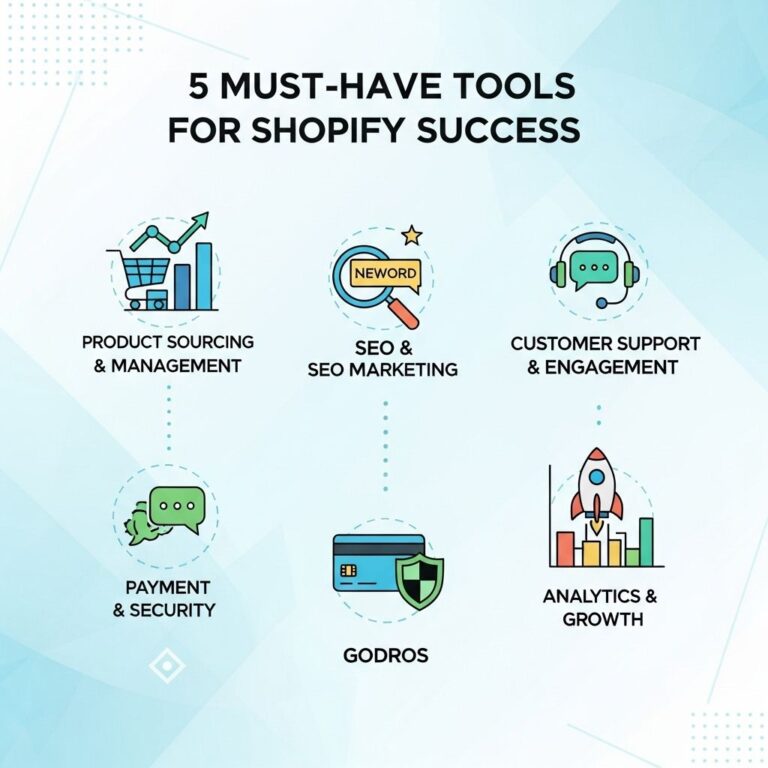
Tools for Analytics
Consider utilizing the following tools for in-depth analysis:
- Google Analytics: Track website performance and user behavior.
- SEMrush: Monitor your SEO and PPC efforts.
- Hotjar: Understand user interactions through heatmaps and recordings.
Scaling Your Business
Once you’ve established a steady income, consider strategies for scaling your business:
- Expand your product line based on market demand.
- Implement subscription models for recurring revenue.
- Explore international sales to reach broader markets.
Conclusion
Selling online products can lead to significant income opportunities, including the potential to make $1,000 per month. By finding the right niche, choosing quality products, setting up a user-friendly store, and utilizing effective marketing strategies, you can create a successful online business. Remember, persistence and adaptability are crucial as you navigate the ever-evolving digital marketplace. Start your journey today!
FAQ
How can I make $1,000 a month selling online products?
To make $1,000 a month, consider identifying a niche market, sourcing quality products, and utilizing online platforms like Shopify or Etsy to reach customers. Effective marketing strategies, including social media promotion and email marketing, can help increase sales.
What types of products should I sell online to earn a steady income?
Popular online products include handmade goods, digital downloads, clothing, beauty products, and niche market items. Research trends and customer interests to choose products that have a high demand.
How do I find reliable suppliers for my online store?
You can find reliable suppliers through platforms like Alibaba, ThomasNet, or by attending trade shows. It’s important to vet suppliers by requesting samples and checking reviews to ensure product quality.
What marketing strategies are effective for selling online products?
Effective marketing strategies include leveraging social media advertising, search engine optimization (SEO), content marketing, and influencer collaborations to reach a broader audience and drive traffic to your online store.
Do I need to invest a lot of money to start selling products online?
You can start selling online with minimal investment by using dropshipping or print-on-demand services. However, investing in marketing and a professional website can enhance your chances of success.
How can I manage customer service when selling online?
To manage customer service effectively, use automated tools for FAQs and inquiries, respond promptly to customer messages, and ensure clear communication regarding shipping and returns. Positive customer experiences can lead to repeat business.