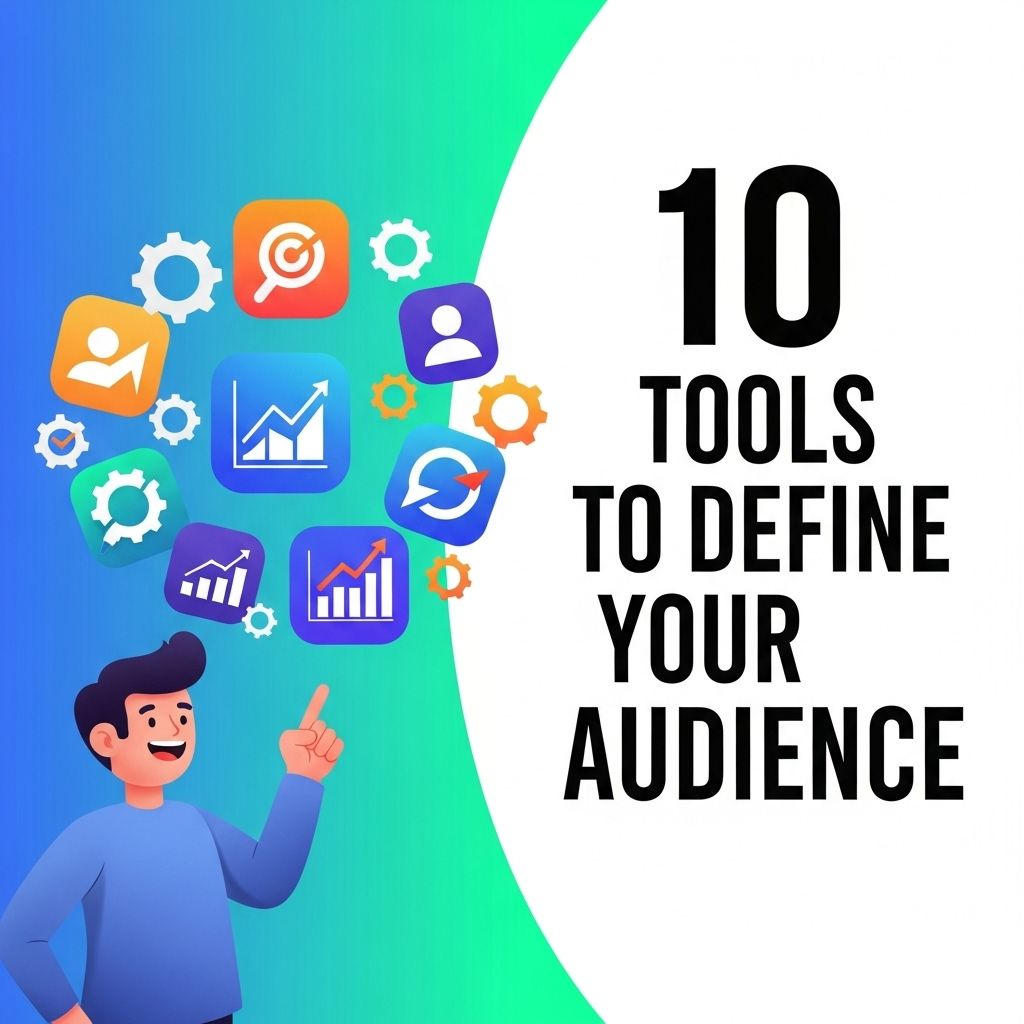
In the digital landscape, understanding your audience is not just beneficial; it’s essential. Defining your audience effectively will empower you to tailor your content, products, and marketing strategies to meet their needs. However, with a multitude of tools available, it can be overwhelming to choose the right ones. Here, we’ll explore ten powerful tools that can help you define your audience with precision.
Defining your audience is a crucial step in any marketing strategy, and utilizing the right tools can streamline this process significantly. From analytics platforms to social listening tools, the right resources can help you identify who your audience is and what they need. For those in creative industries, using mockups, such as how to create bag mockups, can also aid in visualizing your products for targeted segments.
Table of Contents
1. Google Analytics
Google Analytics is a cornerstone for anyone looking to understand their audience. It provides in-depth insights into user demographics, interests, and behaviors on your website. Whether you’re tracking visitor flow or conversion rates, Google Analytics offers:
- Audience demographics: Age, gender, and location.
- User interests: Categories that reflect the interests of your audience.
- Behavior flow: A visual representation of how users navigate through your site.
Key Features
- Real-time data tracking
- Custom reports
- Integration with Google Ads and other platforms
2. Facebook Audience Insights
Facebook Audience Insights is a powerful tool for brands looking to understand their audience on social media. It helps marketers analyze their audience based on various criteria, including:
- Page likes
- Demographics
- Location
This tool also facilitates the discovery of new audiences, allowing you to identify potential customer segments.
Usage Tips
- Analyze both your page followers and the broader audience to find common interests.
- Use insights to tailor your Facebook ad campaigns effectively.
3. SEMrush
SEMrush is renowned for its comprehensive SEO and marketing analytics tools. One of its standout features is the ability to analyze your competitors’ audiences. By understanding who engages with competitors, you can refine your targeting strategy. Key functionalities include:
- Traffic analytics: Gain insights into your competitors’ traffic sources and audience behavior.
- Keyword research: Discover which keywords attract your audience.
Benefits of SEMrush
Using SEMrush can lead to better-informed marketing decisions, as you gain clarity on the audience that’s already engaging with competitors.
4. HubSpot
HubSpot is more than a marketing automation platform; it also provides valuable insights into your audience. The tool allows you to create detailed buyer personas using:
- Surveys and feedback forms
- Website analytics
- Social media engagement data
Creating Buyer Personas
HubSpot’s persona generator walks you through the process of creating detailed profiles of your ideal customers, which can enhance targeted marketing efforts.
5. SurveyMonkey
Understanding your audience’s needs and preferences can be best achieved through direct feedback. SurveyMonkey enables you to create custom surveys and analyze results effectively. Its features include:
- Pre-built survey templates
- Real-time response tracking
- Data analysis tools
Effective Survey Strategies
- Keep questions concise and clear.
- Incentivize responses to increase participation.
6. BuzzSumo
BuzzSumo is a content research tool that allows you to discover what content performs best across various platforms. By analyzing trending topics, you can gauge your audience’s interests. Features include:
- Content analysis
- Influencer identification
- Social media engagement metrics
Using BuzzSumo for Audience Insights
BuzzSumo helps you determine what types of posts resonate most with your target audience, enabling you to craft similar content.
7. LinkedIn Analytics
If your target audience is professionals, LinkedIn Analytics is an invaluable tool. It provides insights regarding your audience’s engagement with your posts and company page. Key features include:
- Follower demographics
- Post performance metrics
- Engagement statistics
Enhancing B2B Strategies
Utilizing LinkedIn Analytics can significantly improve your B2B marketing strategies, allowing you to connect effectively with decision-makers and industry leaders.
8. Google Trends
Google Trends offers a unique perspective on search interests over time, enabling you to monitor the popularity of specific queries. This tool can uncover:
- Seasonal trends
- Related queries
- Regional interest
Practical Applications
Use Google Trends to anticipate shifts in audience interest and adjust your strategy accordingly.
9. Twitter Analytics
For brands operating on Twitter, Twitter Analytics provides insights into tweet performance and audience engagement. Key features include:
- Tweet impression metrics
- Follower demographics
- Engagement rates
Maximizing Twitter Engagement
Regularly review Twitter Analytics to refine your content strategy and better engage with your audience.
10. Qualaroo
Qualaroo is a powerful tool designed to collect feedback directly from users as they interact with your website. It allows you to create targeted surveys that pop up based on user behavior. Key features include:
- Behavior-triggered surveys
- Customizable survey design
- Real-time analytics
Why Qualaroo Stands Out
By gathering insights directly from your audience, you can make informed decisions that enhance user experience and target your marketing efforts effectively.
Final Thoughts
Defining your audience is a dynamic process that requires the right set of tools and strategies. By leveraging these ten tools, you can gain valuable insights that help you tailor your marketing approach, improve user experience, and ultimately drive success. Each tool has its unique strengths; thus, combining them will provide a comprehensive view of your audience.
FAQ
What are the best tools to define my target audience?
Some of the best tools include Google Analytics, Facebook Audience Insights, HubSpot, SEMrush, and Twitter Analytics, which provide valuable data on demographics, interests, and behaviors.
How can I use Google Analytics to understand my audience?
Google Analytics offers insights into user demographics, behavior, and traffic sources, allowing you to identify who your visitors are and what content they engage with the most.
What is Facebook Audience Insights and how can it help me?
Facebook Audience Insights is a tool that provides aggregate data about your audience on Facebook, including demographics, interests, and behaviors, helping you tailor your marketing strategies.
Can I use surveys to define my audience?
Yes, surveys are a great way to gather direct feedback from your audience, helping you understand their preferences, needs, and pain points for better targeting.
How does keyword research help in defining my audience?
Keyword research helps you identify what terms your audience is searching for, which can inform your content strategy and help you connect with their interests.
What role does social media play in audience definition?
Social media platforms provide valuable insights into audience engagement, preferences, and demographics, allowing you to refine your marketing strategies based on real-time feedback.