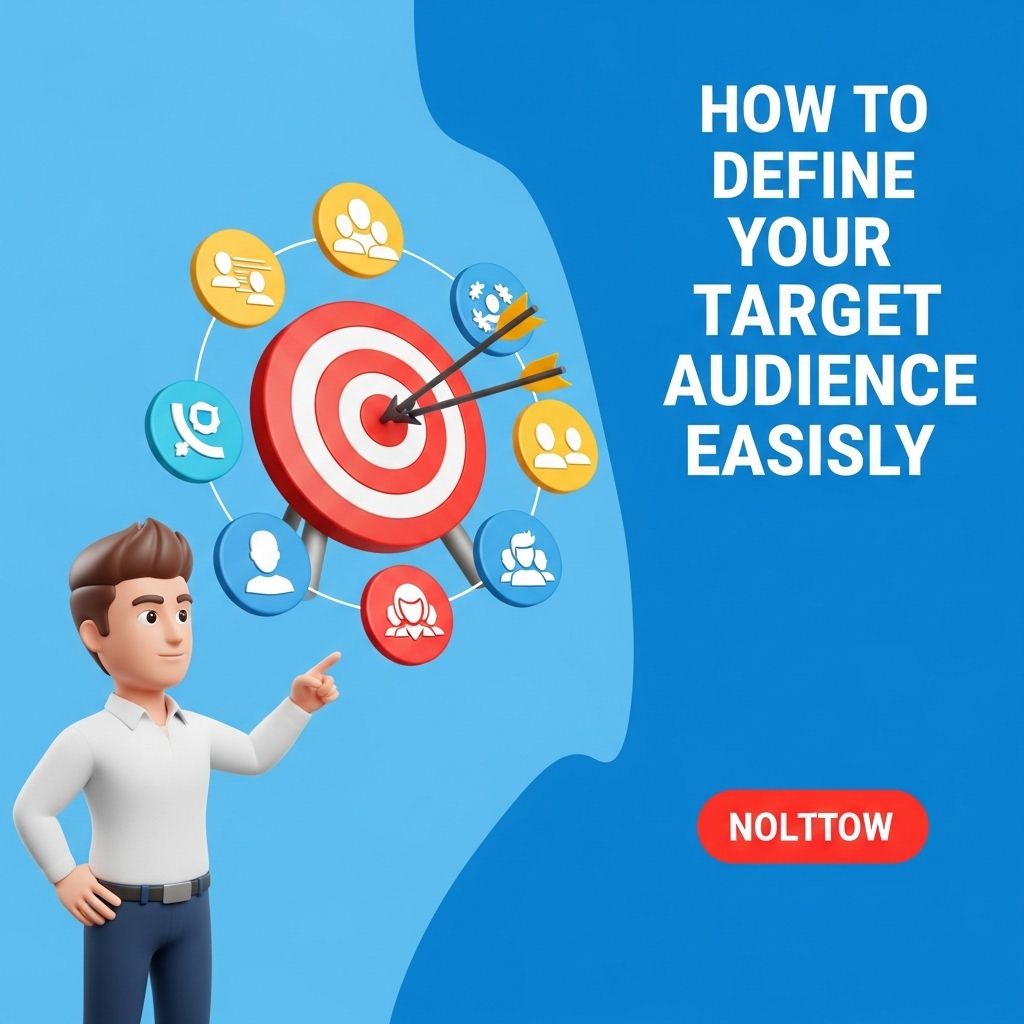
Understanding your target audience is crucial for the success of any marketing strategy. It allows businesses to tailor their products, services, and messaging to meet the specific needs and preferences of their customers. In today’s digital age, defining your target audience can be easier than ever with the right tools and approach. This article explores effective methods to identify and define your target audience, ensuring you can engage them effectively and drive better results.
Table of Contents
The Importance of Defining Your Target Audience
Defining your target audience is foundational for several reasons:
- Better Marketing Efficiency: Knowing your audience enables you to invest your marketing resources in the right places.
- Improved Product Development: Understanding customer needs helps in creating products that resonate with them.
- Enhanced Customer Engagement: Tailoring communications to specific groups can lead to higher engagement rates.
- Increased Sales: Targeted marketing often results in higher conversion rates and customer loyalty.
Steps to Define Your Target Audience
1. Analyze Your Current Customer Base
Start by examining your existing customers. Look for patterns in demographics, purchasing behavior, and feedback. Consider the following:
- Demographics: Age, gender, income level, location, and education.
- Behavior: Purchase frequency, product preferences, and engagement with your brand.
- Feedback: Analyze reviews and surveys to understand what customers appreciate or dislike.
2. Conduct Market Research
Market research is a valuable tool for gathering information about potential customers. Here are various methods:
- Surveys: Create surveys to gather insights from potential customers regarding their preferences and needs.
- Focus Groups: Organize focus groups to discuss potential products or services and gather qualitative data.
- Competitor Analysis: Study your competitors to see who their customers are and identify gaps in the market.
3. Utilize Analytics Tools
Online analytics tools can provide valuable data about your audience:
| Tool | Purpose |
|---|---|
| Google Analytics | Tracks website visitors and their behavior. |
| Facebook Insights | Analyzes engagement and demographics of followers on Facebook. |
| Twitter Analytics | Examines tweets engagement and follower demographics on Twitter. |
| Hotjar | Provides heatmaps and user feedback on website usage. |
4. Create Customer Personas
Once you have gathered sufficient data, creating customer personas can help you visualize your target audience. Here’s how to create impactful personas:
- Identify Key Characteristics: Include demographics, behaviors, and motivations.
- Give Them a Name: Humanize your personas by giving them names and backstories.
- Visual Representation: Use images to represent your personas visually for better relatability.
5. Test and Revise
Defining your target audience is not a one-time task. It’s essential to continuously test and revise your findings:
- Monitor Engagement: Keep an eye on engagement levels with your content and offerings.
- Collect Feedback: Regularly ask for feedback from your audience to refine your understanding.
- Adjust Strategies: Be willing to pivot your strategies based on new data or changing market conditions.
Using Technology to Your Advantage
With advancements in technology, businesses can leverage various tools to streamline the process of defining their target audience:
Data Mining
Data mining tools can help extract useful insights from large datasets. Using algorithms, businesses can identify trends and patterns that inform marketing strategies.
Social Media Analytics
Social media platforms provide built-in analytics features, allowing businesses to track user engagement and demographics, which can inform audience targeting.
Common Mistakes to Avoid
As you work on defining your target audience, be wary of these common pitfalls:
- Overgeneralization: Avoid lumping everyone into one broad category.
- Ignoring Market Changes: Stay updated on market trends that may shift customer preferences.
- Neglecting Feedback: Always listen to your audience and adapt to their needs.
Conclusion
Defining your target audience is a continuous process that requires analysis, research, and adaptation. By understanding who your customers are and what they need, you can enhance your marketing strategy, improve product offerings, and ultimately drive sales growth. Use the tools and techniques discussed in this article to refine your approach and create meaningful connections with your audience.
FAQ
What is a target audience?
A target audience is a specific group of consumers identified as the intended recipients of a marketing message or product.
Why is it important to define your target audience?
Defining your target audience allows you to tailor your marketing strategies, improve engagement, and increase conversion rates effectively.
What are some methods to identify your target audience?
You can identify your target audience through market research, surveys, social media analytics, and customer feedback.
How can demographics help in defining a target audience?
Demographics such as age, gender, income level, and education can provide insights into consumer behavior and preferences, aiding in audience definition.
What role does psychographics play in understanding your target audience?
Psychographics, which include interests, values, and lifestyles, help you understand the motivations and desires of your target audience.
Can I have multiple target audiences?
Yes, businesses can have multiple target audiences, but it is essential to tailor marketing strategies for each segment to maximize effectiveness.