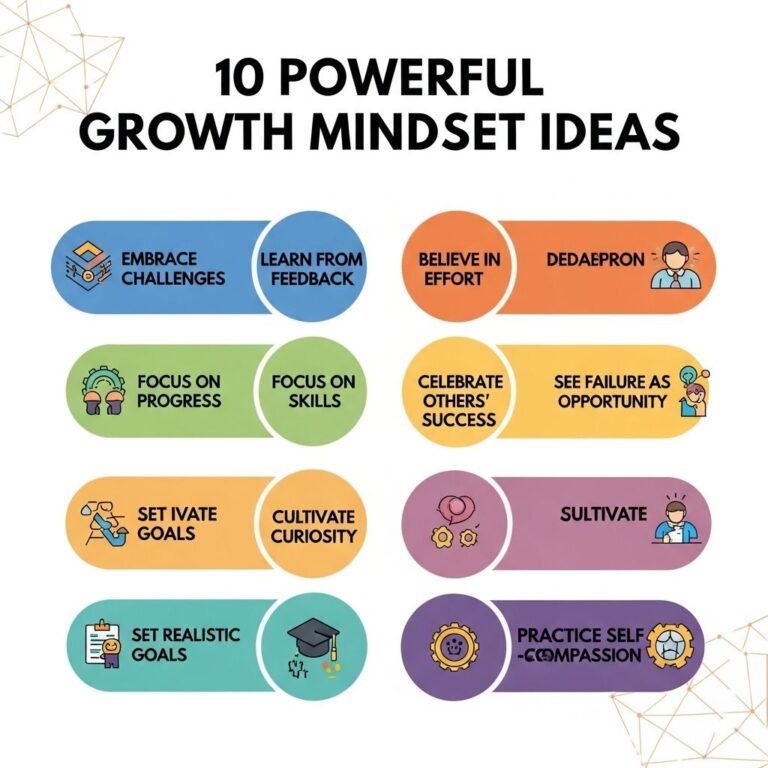
In a world characterized by rapid changes and constant challenges, nurturing a positive mindset is more crucial than ever. A well-tended mindset can empower us to face obstacles, seize opportunities, and cultivate resilience. This article delves into practical strategies to help you cultivate a growth-oriented mindset daily, ensuring that you not only survive but thrive in various aspects of life.
Table of Contents
The Importance of a Positive Mindset
Your mindset shapes your perceptions and reactions to life’s challenges. A positive mindset encourages:
- Resilience: The ability to bounce back from setbacks.
- Optimism: A hopeful outlook that things will improve.
- Growth: A willingness to learn and adapt.
- Self-Confidence: Belief in your capabilities and decisions.
Understanding the importance of a positive mindset allows you to shift your focus from limitations to possibilities, creating a more fulfilling life.
Daily Practices for Mindset Nurturing
1. Start Your Day with Gratitude
Practicing gratitude can significantly enhance your outlook on life. Here’s how to incorporate it into your morning routine:
- Keep a gratitude journal by your bedside.
- Each morning, write down three things you are grateful for.
- Reflect on why these things are meaningful to you.
2. Set Intention for the Day
Begin each day with a clear intention. This helps you focus on what truly matters. Consider the following methods:
- Choose a personal theme for the day, such as “patience” or “creativity”.
- Visualize how you will embody this intention throughout your activities.
3. Mindfulness and Meditation
Mindfulness practices can significantly shift your perspective and reduce stress. Ways to practice mindfulness include:
| Practice | Description |
|---|---|
| Breathing Exercises | Take deep breaths and focus solely on your breath for a few minutes. |
| Guided Meditations | Use apps or videos that provide guided meditations for relaxation. |
| Mindful Walking | Take a walk in nature, focusing on your surroundings and the sensations of movement. |
4. Continuous Learning
Adopt the mindset of a lifelong learner by engaging with new information daily. This can include:
- Reading articles or books on topics of interest.
- Listening to podcasts or audiobooks during commutes.
- Taking online courses to expand your knowledge base.
Developing Resilience
Understanding Resilience
Resilience is the capacity to recover quickly from difficulties. It is a skill that can be developed through consistent practice:
“Resilience is not about never falling, but about rising every time you fall.”
Strategies to Build Resilience
- Embrace Change: Accept that change is a part of life and often leads to growth.
- Seek Support: Surround yourself with supportive friends and family who encourage you.
- Reflect on Past Experiences: Learn from previous challenges and how you overcame them.
- Practice Problem-Solving: Approach problems with a solution-oriented mindset instead of feeling overwhelmed.
Creating Positive Environments
Physical Environment
Your physical surroundings can influence your mindset. Consider making changes such as:
- Decluttering your workspace to minimize distractions.
- Adding plants or inspiring artwork to create a positive atmosphere.
- Ensuring your environment is well-lit and pleasant.
Digital Environment
In today’s digital age, your online environment also matters. To create a more positive digital space:
- Unfollow accounts that promote negativity or comparison.
- Engage with uplifting and inspiring content.
- Limit the time spent on social media to reduce overwhelm.
Building a Support Network
Importance of Community
Being part of a supportive community can significantly enhance your mindset. You can build such a network by:
- Joining groups that share your interests or goals.
- Engaging in community service or volunteering.
- Connecting with mentors who can provide guidance and support.
Accountability Partners
Finding an accountability partner can keep you motivated. Here’s how to establish this relationship:
- Choose someone with similar goals or interests.
- Set regular check-ins to discuss progress and challenges.
- Celebrate each other’s achievements, no matter how small.
Conclusion
Nurturing your mindset is a daily practice that requires intention and dedication. By incorporating gratitude, mindfulness, continuous learning, and building supportive environments, you can cultivate a mindset that thrives on positivity and resilience. Remember, the journey to a better mindset is ongoing, and every small step counts toward creating lasting change in your life.
FAQ
What are effective daily practices to nurture a positive mindset?
To nurture a positive mindset daily, incorporate practices such as journaling, mindfulness meditation, and gratitude exercises. These activities can help you focus on the positive aspects of life and build resilience.
How does physical exercise contribute to a healthy mindset?
Physical exercise promotes the release of endorphins, which can enhance your mood and reduce stress. Regular physical activity also boosts self-esteem and cognitive function, leading to a healthier mindset.
Can reading influence my mindset positively?
Yes, reading self-improvement books or motivational literature can provide new perspectives and inspire you to think positively, ultimately nurturing your mindset.
What role does social interaction play in mindset nurturing?
Social interaction plays a crucial role in mindset nurturing. Engaging with supportive friends and family can provide encouragement and motivation, fostering a more positive outlook.
How can I set daily affirmations to improve my mindset?
Setting daily affirmations involves creating positive, present-tense statements about yourself or your goals. Repeat them each morning to reinforce a positive mindset and build self-confidence.
What are some mindfulness techniques to improve my mindset?
Mindfulness techniques such as deep breathing exercises, body scans, and mindful observation can help you stay grounded in the present moment, reducing anxiety and improving your overall mindset.