As technology becomes an integral part of our daily lives, the need for cybersecurity awareness has never been more paramount, especially for seniors. With the rise of online scams and cyber threats, older adults must equip themselves with knowledge and tools to navigate the digital world safely. This guide offers ten essential cybersecurity tips that can help seniors protect their personal information and enjoy a worry-free online experience.
In today’s digital age, cybersecurity is paramount, especially for seniors who may be more vulnerable to online threats. Understanding essential practices can help protect personal information and enhance online safety. For a lighter take on enjoying safe browsing, check out this downloadable beer artwork.
Table of Contents
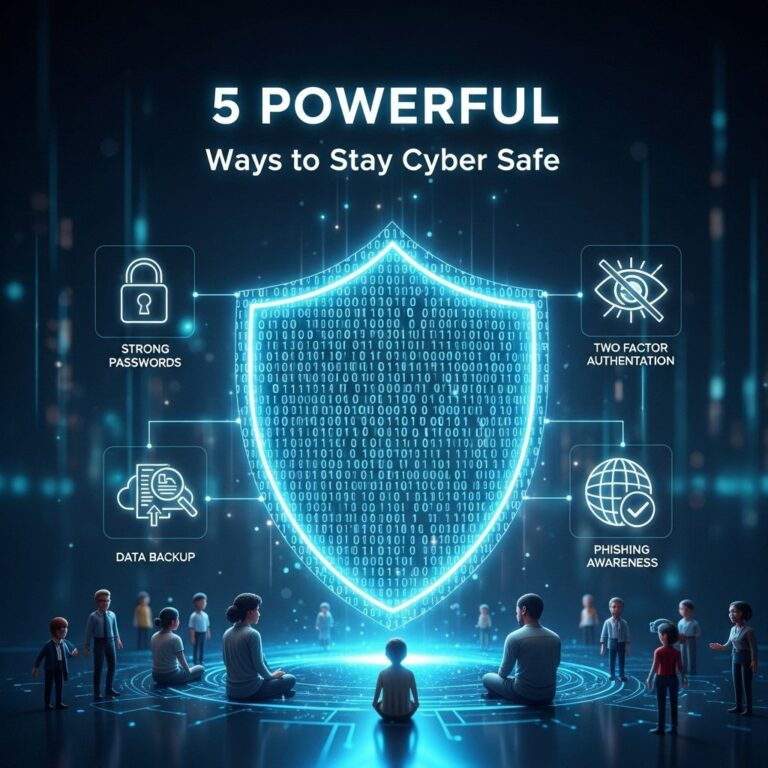
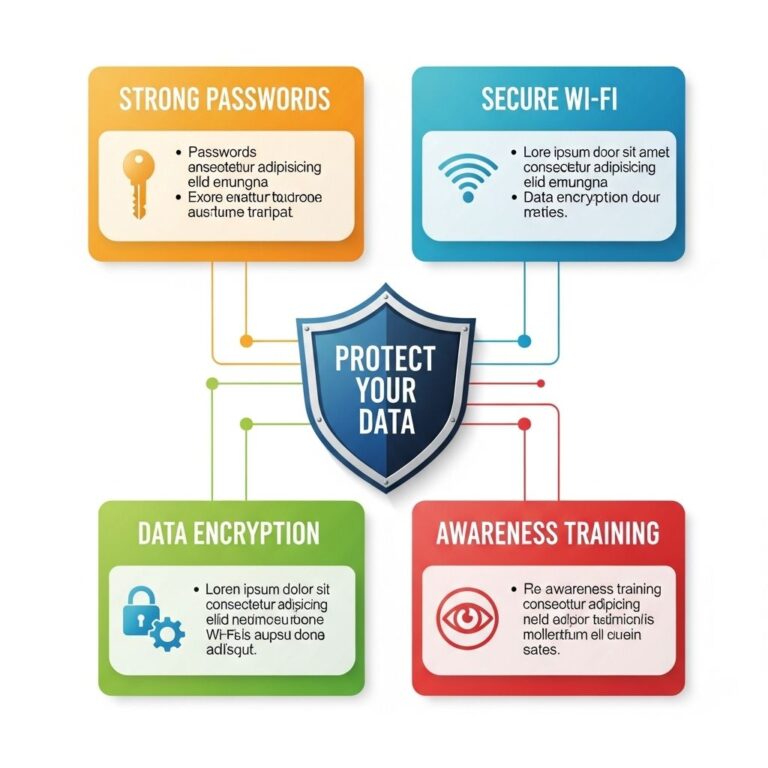
1. Use Strong Passwords
Creating a strong password is the first line of defense against unauthorized access to accounts. Here are some guidelines:
- Use at least 12 characters, combining letters, numbers, and symbols.
- Avoid using easily guessable information like birthdays or names.
- Consider using a passphrase, which is a series of words that make sense together.
2. Enable Two-Factor Authentication
Two-factor authentication (2FA) adds an extra layer of security. It requires not only your password but also a second form of verification, such as a code sent to your phone or email. Here’s how to enable it:
- Go to your account settings.
- Look for the security section.
- Follow the prompts to enable 2FA.
3. Keep Software Updated
Software updates are crucial for security. These updates often contain patches that fix vulnerabilities that hackers might exploit. To keep your system secure:
- Enable automatic updates for your operating system and software applications.
- Regularly check for updates if automatic updates are not available.
4. Be Cautious with Email
Email is a common vector for cyberattacks. Seniors should practice safe email habits by:
- Being wary of unsolicited emails or messages from unknown senders.
- Not clicking on links or downloading attachments from suspicious emails.
- Using email providers that offer built-in phishing protection.
5. Protect Personal Information on Social Media
Social media platforms can expose personal information if privacy settings are not managed properly. Here are some tips:
- Review and adjust privacy settings to limit who can see your posts.
- Avoid sharing sensitive information like your full address, phone number, or financial details.
- Think before you post – is this information safe to share?
6. Use Secure Internet Connections
Public Wi-Fi networks can be hotspots for cybercriminal activity. To protect yourself:
- Avoid accessing sensitive information over public Wi-Fi.
- Use a Virtual Private Network (VPN) for an added layer of security.
- Connect only to secure networks and check for the ‘https://’ prefix in website addresses.
7. Recognize Scams and Phishing Attempts
Scammers often prey on seniors, leveraging tactics that can seem legitimate. To spot scams:
- Be skeptical of unsolicited calls or messages asking for personal information.
- Look out for offers that seem too good to be true.
- Verify the identity of anyone requesting sensitive information before responding.
8. Back Up Your Data
Backing up your data regularly is essential in the event of a cyberattack or hardware failure. Here’s how to do it:
| Backup Option | Description |
|---|---|
| External Hard Drive | A physical device that stores copies of your files. |
| Cloud Storage | Online services that automatically back up your data. |
| USB Flash Drive | A portable storage device for manual backups. |
9. Use Antivirus and Anti-Malware Software
Protecting your devices from viruses and malware is crucial. Here’s what to do:
- Install reputable antivirus software on your devices.
- Run regular scans to detect and remove any threats.
- Ensure that the software is kept up-to-date to defend against new threats.
10. Educate Yourself Continuously
Cybersecurity is an evolving field, and staying informed is vital. To keep your knowledge updated:
- Attend workshops or webinars on online safety.
- Follow reputable cybersecurity blogs or websites.
- Join community groups focused on technology for seniors.
By implementing these ten essential cybersecurity tips, seniors can significantly reduce their risk of falling victim to cyber threats. Awareness and precaution go hand in hand when it comes to navigating the internet safely. Remember, safety online is just as important as safety offline.
FAQ
What are the best cybersecurity practices for seniors?
Seniors should use strong, unique passwords, enable two-factor authentication, regularly update software, and be cautious about sharing personal information online.
How can seniors protect themselves from phishing scams?
Seniors should be wary of unsolicited emails or messages, verify the sender’s identity, and avoid clicking on suspicious links or attachments.
Why is it important for seniors to update their devices regularly?
Regular updates provide critical security patches to protect against vulnerabilities and improve the overall functionality of devices.
What should seniors do if they suspect they are a victim of cybercrime?
Seniors should immediately change their passwords, report the incident to their bank and local authorities, and monitor their accounts for any unusual activity.
How can seniors safely use social media?
Seniors should adjust their privacy settings, limit the amount of personal information shared, and be cautious about friend requests from unknown individuals.
What role does antivirus software play in cybersecurity for seniors?
Antivirus software helps protect devices from malware and other threats by detecting and removing harmful software, making it essential for safe online browsing.