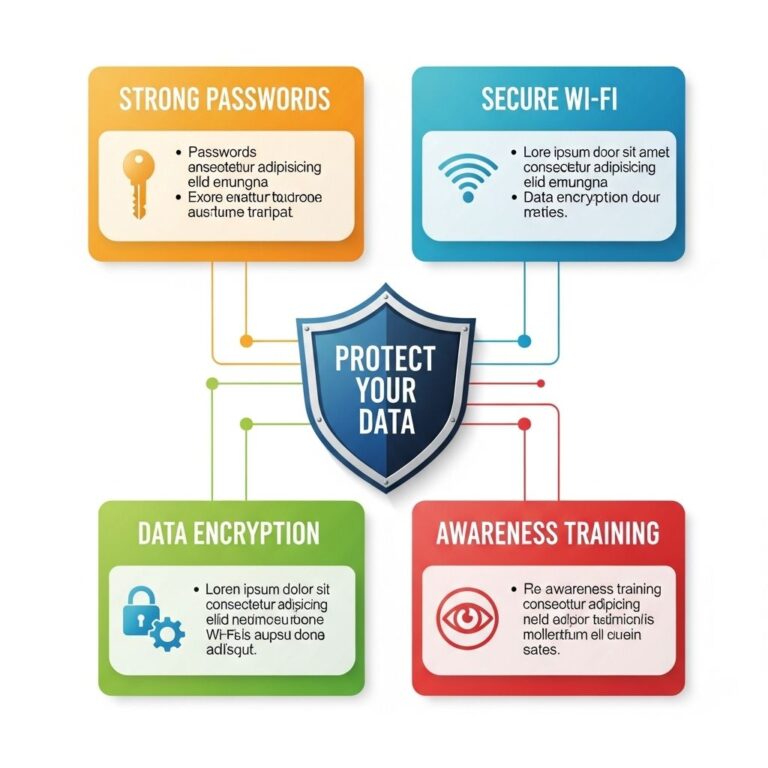
In today’s digital age, where children are becoming increasingly tech-savvy at younger ages, it is crucial to equip them with the knowledge and skills needed to navigate the online world safely. As kids explore the vast resources of the internet, they are also exposed to various cyber threats that can have serious implications. Therefore, teaching children about cybersecurity is not just an option—it is a necessity. Here are ten essential cybersecurity tips that every child should know to protect themselves while online.
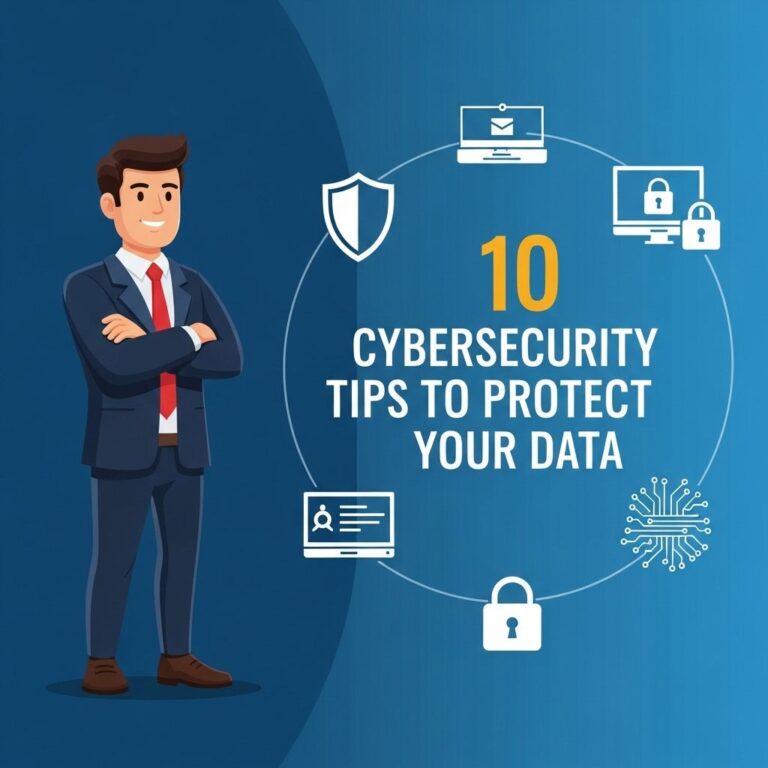
In today’s digital age, teaching kids about cybersecurity is crucial for their safety online. Here are 10 essential tips to help them navigate the internet securely and protect their personal information. For a creative twist, check out these bag mockup templates.
Table of Contents
Understanding Cybersecurity
Before diving into the specific tips, it’s important to understand what cybersecurity means. Cybersecurity refers to the practice of protecting systems, networks, and programs from digital attacks. These attacks are usually aimed at accessing, changing, or destroying sensitive information, which can affect not just individuals but also organizations.
1. Strong Passwords Are Key
Encouraging children to create strong passwords is one of the simplest yet most effective ways to protect their online accounts. A strong password should:
- Be at least 12 characters long
- Include a mix of uppercase and lowercase letters
- Contain numbers and special characters (e.g., !, @, #)
- Avoid using easily guessable information like names or birthdays
Creating a Password Manager
Children can use password managers to keep track of their passwords securely. Here are some popular options:
| Password Manager | Key Features |
|---|---|
| LastPass | Free and premium versions; browser extension |
| 1Password | Family plan available; easy sharing |
| Bitwarden | Open-source; very secure |
2. Never Share Personal Information
Teach kids to never share personal information online. This includes:
- Full name
- Address
- Phone number
- School name
Make it clear that sharing such information can lead to identity theft or even abduction in extreme cases.
3. Recognizing Phishing Scams
Phishing is a common tactic used by cybercriminals to trick individuals into providing personal information. Here are some signs of a phishing attempt:
- Unusual email addresses or URLs
- Generic greetings (e.g., ‘Dear Customer’)
- Urgent calls to action (e.g., ‘Your account will be suspended!’)
4. Be Cautious with Downloads
Downloading files from the internet can introduce malware into devices. Educate kids on:
- Only downloading files from trusted websites
- Not clicking on pop-up ads
- Checking reviews before downloading apps
5. Use Privacy Settings
Most social media platforms and apps come with privacy settings. Children should learn to:
- Set their profiles to ‘private’
- Limit who can see their posts
- Control who can send them messages
Configuring Privacy Settings
Here’s how to set privacy settings on popular platforms:
| Platform | Privacy Setting |
|---|---|
| Settings > Privacy > Who can see your posts? | |
| Settings > Privacy > Private Account | |
| Snapchat | Settings > Who Can… > My Friends |
6. Think Before You Click
Encourage critical thinking about what links to click on and what messages to open. Remind children to:
- Hover over links to see the actual URL before clicking
- Be skeptical of deals that seem too good to be true
- Verify the source of messages, especially if they come from unknown contacts
7. Secure Your Devices
Make sure that all devices are secured with passwords or biometric locks. Here are some additional tips:
- Install antivirus software
- Keep the operating system updated
- Enable firewalls
8. Be Aware of Cyberbullying
Cyberbullying is a significant issue in the digital age. Teach kids to:
- Recognize signs of cyberbullying
- Report any abusive behavior to a trusted adult
- Document incidents as evidence
9. Use Secure Wi-Fi
When using public Wi-Fi, children should be cautious. Remind them to:
- Avoid accessing sensitive information (like bank accounts) on public networks
- Use a VPN for added security
- Forget the network after use
10. Keep Communication Open
Lastly, the most effective way to ensure that children practice these cybersecurity tips is by maintaining open lines of communication. Encourage them to:
- Ask questions about anything they encounter online
- Share their experiences with social media and gaming
- Report any suspicious activity without fear of judgment
Conclusion
By understanding and applying these ten cybersecurity tips, children can navigate the online world with greater confidence and security. As technology continues to evolve, it is vital for parents and guardians to stay informed and proactive about teaching kids how to protect themselves online. Empowerment through knowledge is the best defense against digital threats.
FAQ
What are the essential cybersecurity tips for kids?
Kids should be taught to use strong passwords, avoid sharing personal information online, and recognize phishing scams.
How can kids create strong passwords?
Encourage kids to use a mix of uppercase letters, lowercase letters, numbers, and symbols, and to avoid using easily guessed information like birthdays.
Why is it important to keep personal information private?
Keeping personal information private helps protect kids from online predators and identity theft.
What should kids do if they receive a suspicious message?
Kids should be taught to not open suspicious messages and to report them to a trusted adult.
How can kids recognize phishing attempts?
Kids can recognize phishing attempts by looking for poor spelling and grammar, suspicious links, and requests for personal information.
Why is it important to use privacy settings on social media?
Using privacy settings helps control who can see personal posts and information, reducing the risk of unwanted contact.