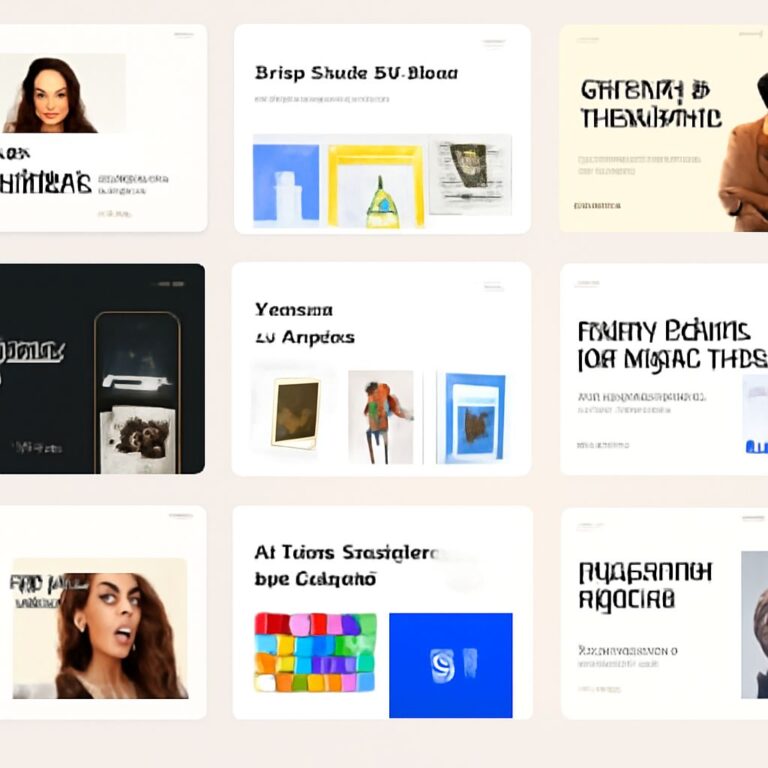
In today’s digital age, a portfolio website is essential for anyone looking to showcase their skills and experiences. Whether you’re a designer, developer, photographer, or writer, a well-crafted portfolio not only highlights your best work but also sets you apart from the competition. Here are ten innovative ideas to help you create a standout portfolio website that captures attention and effectively communicates your unique style.
Creating a creative portfolio website is essential for showcasing your work in a unique way. With numerous templates and styles available, it’s possible to express your artistic vision effectively. Consider incorporating elements like varieties of bag mockups to add a professional touch to your presentations.
Table of Contents
1. Interactive Storytelling
Transform your portfolio into an interactive story that engages visitors. Use a combination of visuals, animations, and narrative to guide users through your work. This approach is particularly effective for creative professionals, allowing them to showcase their projects in a more immersive way.
Key Features:
- Dynamic animations
- Scroll-triggered effects
- Clickable elements leading to detailed project descriptions
2. Minimalist Design
A clean and minimalist design can be incredibly powerful. By stripping away distractions, you can focus your visitors’ attention on your work. Use plenty of white space and a simple color palette to create an elegant user experience.
Benefits of Minimalism:
- Improves load times
- Enhances user experience
- Allows your work to shine
3. Grid Layouts
Grid layouts are a popular choice for portfolio websites, allowing you to present multiple projects in a clean and organized manner. By using a modular design, you can easily showcase a variety of work types.
Implementation Tips:
- Keep consistent sizing and spacing
- Use hover effects to reveal project details
- Incorporate filters for different categories of work
4. Personal Branding
Your portfolio should reflect your personal brand. Choose a color scheme, typography, and imagery that align with your professional identity. A cohesive brand presence can enhance recognition and memorability.
Elements to Consider:
| Element | Considerations |
|---|---|
| Logo | Unique, recognizable design |
| Color Palette | Emotional impact, consistency |
| Typography | Readability, personality |
5. Video Introductions
Integrate a video introduction on your portfolio homepage. This can be a brief overview of who you are, what you do, and why visitors should care about your work. Videos can convey emotion and personality in ways that static content cannot.
Video Tips:
- Keep it short (1-2 minutes)
- Use high-quality production
- Add captions for accessibility
6. Case Studies
Instead of simply showcasing your projects, dive deeper with case studies. Discuss your process, challenges, and outcomes for each project. This approach offers potential clients insight into your working style and problem-solving skills.
Case Study Components:
- Project overview
- Challenges faced
- Strategies employed
- Results and testimonials
7. Mobile Responsiveness
In a world where mobile browsing is ubiquitous, ensure your portfolio is mobile-friendly. A responsive design will adapt seamlessly to different screen sizes, providing an optimal user experience across devices.
Responsive Design Best Practices:
- Flexible grid layouts
- Scalable images
- Touch-friendly navigation
8. Unique Navigation
Break the mold with innovative navigation. Instead of traditional menu bars, consider using scroll-triggered animations, hidden side menus, or interactive elements that guide users through your site.
Creative Navigation Ideas:
- Horizontal scrolls for project showcases
- Sticky navigation bars that change style on scroll
- Animated icons that lead to different sections
9. Client Testimonials
Incorporate client testimonials to build credibility and trust. Positive reviews can significantly influence a decision-maker’s choice when considering your services. Display quotes prominently, and consider linking to the clients’ websites.
How to Gather Testimonials:
- Request feedback after project completion
- Use a structured template for consistency
- Showcase diverse voices
10. Blogging Component
Adding a blog to your portfolio can establish you as a thought leader in your field. Share insights, industry trends, and personal experiences to engage visitors and keep your website content fresh.
Blogging Benefits:
- Improves SEO rankings
- Increases site traffic
- Showcases your expertise
In conclusion, a creative portfolio website is crucial in today’s competitive landscape. By incorporating elements that highlight your unique skills and personality, you can create an engaging online presence that attracts clients and opportunities. Consider these ideas and make your portfolio a true reflection of your work and brand.
FAQ
What are some creative ideas for a portfolio website?
Consider showcasing your work through interactive elements, video backgrounds, or even a themed storytelling approach that reflects your personal brand.
How can I make my portfolio stand out?
Utilize unique layouts, bold typography, and high-quality images to create a visually striking portfolio that captures attention.
Should I include a blog section in my portfolio?
Yes, a blog can showcase your expertise, share insights about your creative process, and engage visitors with fresh content.
What features should I include in my online portfolio?
Essential features include a contact form, social media links, project descriptions, and an easily navigable gallery of your work.
How can I optimize my portfolio for search engines?
Incorporate relevant keywords, use descriptive alt tags for images, and ensure your website has a fast loading speed to improve SEO.
Is it important to have a mobile-friendly portfolio?
Absolutely, a mobile-friendly design ensures that your portfolio is accessible and visually appealing on all devices, enhancing user experience.