In the digital age, establishing a unique brand identity is crucial for businesses looking to make a mark in their respective industries. A strong brand identity not only differentiates you from competitors but also fosters trust and loyalty among consumers. This article will guide you through the essential steps to create a compelling brand identity that resonates with your target audience.
Crafting your unique brand identity is essential for standing out in today’s competitive market. One important aspect of this process is using visual tools, such as bag mockups, to create a cohesive and memorable image for your products. For inspiration, consider exploring resources like using bag mockups for branding.
Table of Contents
Understanding Brand Identity
Brand identity encompasses the visible elements of a brand—such as color, design, and logo—that distinguish it in consumers’ minds. However, it goes beyond just visual elements; it includes the overall perception of the brand in the market.
Key Components of Brand Identity
- Logo: The visual symbol that represents your brand.
- Color Palette: A specific range of colors that reflects your brand’s personality.
- Typography: The font styles used in your branding materials.
- Imagery: The style of images used in your branding.
- Voice and Tone: The style of communication used to engage with your audience.
Steps to Create Your Brand Identity
Step 1: Define Your Brand Purpose
Before diving into design elements, clarify your brand’s mission and values. Ask yourself:
- What problem does my brand solve?
- What are my core values?
- How do I want my customers to perceive my brand?
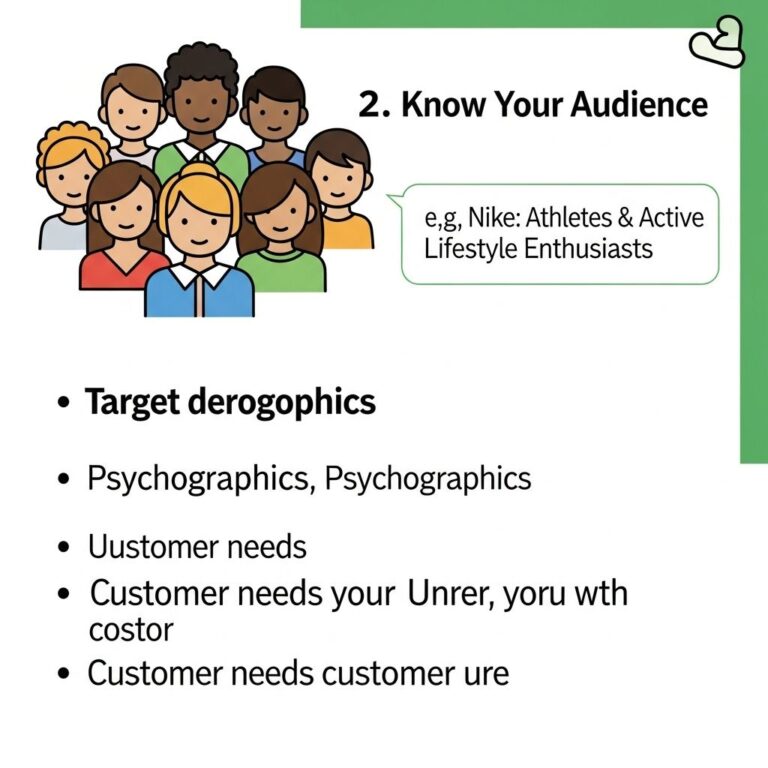
Step 2: Research Your Target Audience
Your brand identity should resonate with your target demographic. Conduct surveys, interviews, and market research to understand their preferences, needs, and behaviors.
Step 3: Analyze Competitors
Study your competitors to identify their brand identities. This will help you find gaps in the market and ensure your brand stands out. Consider the following aspects:
- What are their strengths and weaknesses?
- What branding strategies do they use?
- How do they communicate with their audience?
Step 4: Develop Your Brand Elements
Creating a Logo
Your logo is often the first impression customers will have of your brand. Here are some tips for designing a powerful logo:
- Keep it simple and memorable.
- Ensure it’s versatile and scalable.
- Make sure it aligns with your brand purpose and values.
Choosing a Color Palette
Colors evoke emotions and convey messages. For example:
| Color | Emotion |
|---|---|
| Blue | Trust |
| Red | Passion |
| Green | Growth |
| Yellow | Optimism |
Select 2-3 primary colors and 1-2 secondary colors to create a cohesive palette.
Selecting Typography
Just like colors, typography communicates your brand’s personality. Choose fonts that are:
- Legible across different sizes.
- Consistent with your brand’s voice.
- Appropriate for your industry.
Step 5: Craft Your Brand Story
Your brand story is a narrative that conveys the essence of your brand. It should connect emotionally with your audience and highlight your brand’s unique value proposition. Consider these elements:
- Introduce the founding story.
- Explain the challenges faced and how they were overcome.
- Showcase the impact of your product or service.
Step 6: Establish Your Brand Voice
Your brand voice encompasses how you communicate with your audience. Decide on the tone (e.g., formal, casual, witty) and adjust your messaging accordingly. Here are some tips to establish your brand voice:
- Be consistent across all channels.
- Adapt your tone for different platforms (social media, email, website).
- Engage with your audience in an authentic way.
Step 7: Create Brand Guidelines
Brand guidelines are a set of rules that ensure consistency across all branding efforts. Your brand guidelines should include:
- Logo usage and placement.
- Color codes and typography specifications.
- Guidelines for imagery and tone of voice.
Implementing Your Brand Identity
Consistency is Key
Once your brand identity is established, ensure consistency across all channels, including:
- Your website and social media platforms.
- Marketing materials (brochures, business cards, etc.).
- Customer service interactions.
Monitor Your Brand Perception
Regularly assess how your brand is perceived by your audience. Use surveys, social media listening tools, and analytics to understand customer sentiments and make adjustments as needed.
Conclusion
Creating a brand identity requires a strategic approach and an understanding of your target market. By following the steps outlined in this article, you can develop a strong brand identity that not only attracts customers but also builds lasting relationships. Remember, branding is not a one-time task; it requires continuous evaluation and adaptation to stay relevant in a dynamic market.
FAQ
What is brand identity?
Brand identity is the visual and emotional representation of your brand, including your logo, color scheme, typography, and overall design that distinguishes you from competitors.
Why is brand identity important?
Brand identity is crucial as it helps establish recognition, build trust with customers, and communicates your brand’s values and personality.
How can I create a strong brand identity?
To create a strong brand identity, define your brand’s mission, target audience, and unique selling proposition, then develop a cohesive visual style and messaging that reflects these elements.
What elements are included in brand identity?
Key elements of brand identity include your logo, color palette, typography, imagery style, and overall tone of voice in communications.
How do I ensure consistency in my brand identity?
To ensure consistency in your brand identity, create brand guidelines that outline how your brand elements should be used across all platforms and marketing materials.
Can I change my brand identity later?
Yes, you can evolve your brand identity as your business grows or changes, but it’s important to do so thoughtfully to maintain recognition and loyalty among your audience.