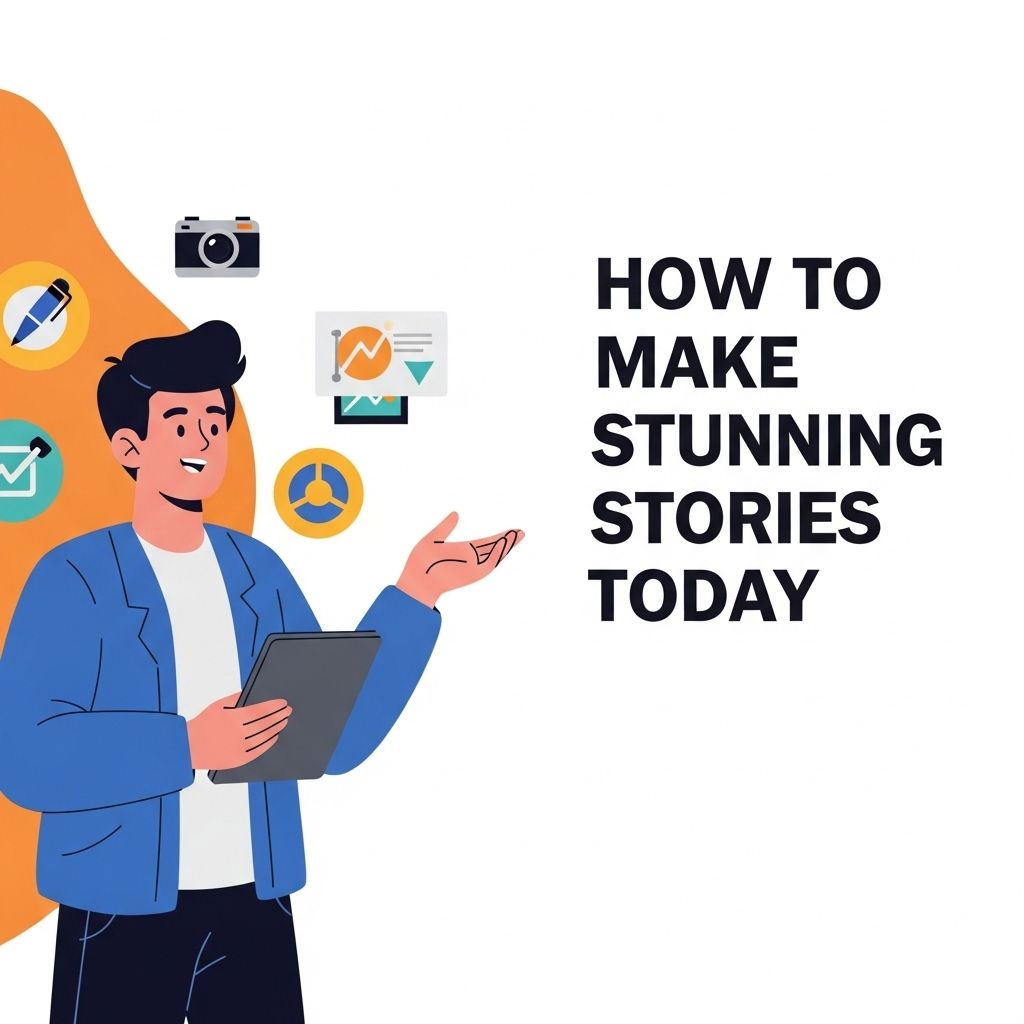
In a world where attention spans are shrinking and content is being consumed at an unprecedented rate, visual storytelling has emerged as a critical tool for brands and individuals alike. Whether you’re a marketer, educator, or simply someone looking to communicate more effectively, mastering the art of creating visually stunning stories can elevate your message to new heights. This article will guide you through the essential components of visual storytelling, from understanding its importance to practical tips and tools that will help you craft captivating narratives.
In today’s visually-driven world, creating stunning visual stories is essential for captivating your audience. With an array of resources at your fingertips, you can easily elevate your designs and presentations. Start by enhancing your projects with free bag mockups, which you can download free bag mockups to help bring your ideas to life.
Table of Contents
Understanding Visual Storytelling
Visual storytelling combines images, text, and design to convey a narrative or message. It leverages the power of visuals to enhance comprehension and retention, making it a preferred approach in various fields, including marketing, education, social media, and journalism.
The Importance of Visual Storytelling
- Increased Engagement: Visual content is more engaging than text alone, capturing attention more effectively.
- Enhanced Understanding: Humans process visuals faster than text, allowing for quicker understanding of complex information.
- Emotional Connection: Images can evoke emotions that text alone might not, helping to create a bond with the audience.
- Better Retention: People remember stories told with visuals significantly better than those delivered through text.
The Elements of a Compelling Visual Story
Creating a stunning visual story involves careful consideration of several key elements:
1. A Strong Narrative
Every great story starts with a compelling narrative. This includes:
- A clear beginning, middle, and end
- A relatable protagonist or subject
- Conflict or challenge to overcome
- A resolution that ties everything together
2. High-Quality Visuals
Visuals play a crucial role in how your story is perceived. Use:
- High-resolution images
- Consistent color schemes
- Well-designed graphics
3. Effective Typography
Typography can enhance or detract from your storytelling. Consider:
- Font choice and style
- Readability and clarity
- Hierarchy of information
4. Thoughtful Layout
The layout dictates how your audience interacts with your visuals. Focus on:
- White space to create visual balance
- Flow that guides the viewer’s eye
- Contrast to highlight key elements
Tools for Creating Visual Stories
With the right tools, anyone can create stunning visual stories. Here’s a list of popular tools that can help you:
Design Tools
| Tool | Features | Best For |
|---|---|---|
| Canva | User-friendly, templates, and drag-and-drop interface | Quick designs for social media, presentations, and marketing materials |
| Adobe Spark | Customizable templates and access to stock photos | Creating graphics, web pages, and video stories |
| Visme | Infographic and presentation templates | Data visualization and interactive content |
Video Editing Software
Video is an essential part of visual storytelling. Consider these tools:
- Adobe Premiere Pro: Professional-grade video editing software.
- Final Cut Pro: Advanced video editing tools for Mac users.
- iMovie: User-friendly video editing for beginners.
Infographic Creators
Infographics are a powerful way to present information visually. Here are some preferred options:
- Piktochart: Easy creation of infographics and reports.
- Infogram: Interactive infographics with charts and maps.
- Venngage: Customizable templates to create professional infographics.
Techniques for Effective Visual Storytelling
To empower your visual storytelling, employ the following techniques:
1. Use the Rule of Thirds
When composing images, divide your frame into a 3×3 grid. Place points of interest along these lines or their intersections.
2. Leverage Color Psychology
Colors evoke specific emotions. Understand color associations to enhance your narrative:
- Red: Energy and passion
- Blue: Trust and calm
- Green: Growth and health
3. Incorporate Movement
Utilize animations or video clips to add dynamism to your story. Movement can grab attention and keep viewers engaged.
4. Tell a Personal Story
Sharing personal experiences makes your story relatable. Connect with your audience by incorporating your journey or insights.
Examples of Successful Visual Storytelling
Here are some companies that have mastered visual storytelling:
1. Airbnb
Airbnb uses stunning photography and user-generated content to tell stories about places and experiences. Their website showcases listings through beautiful images that evoke a sense of adventure.
2. National Geographic
National Geographic excels at visual storytelling through captivating photos and immersive articles, bringing nature and culture to life.
3. Nike
Nike’s marketing campaigns often feature powerful visuals combined with impactful narratives about athletes overcoming challenges, inspiring viewers to take action.
Conclusion
In the digital age, the ability to create stunning visual stories is not just advantageous, it’s essential. By integrating compelling narratives with high-quality visuals, effective typography, and thoughtful layout, you can engage your audience like never before. Leveraging the right tools and techniques will not only enhance your storytelling skills but also allow you to connect with your audience on a deeper level. Start exploring the possibilities of visual storytelling today and watch your message resonate more powerfully than ever.
FAQ
What are visual stories?
Visual stories are narratives conveyed through images, graphics, and videos, designed to engage and inform an audience.
Why are visual stories important for marketing?
Visual stories capture attention, enhance engagement, and improve retention, making them a powerful tool for effective marketing.
How can I create stunning visual stories?
You can create stunning visual stories by using high-quality images, compelling narratives, and effective design principles to enhance the overall experience.
What tools can I use to create visual stories?
Popular tools for creating visual stories include Canva, Adobe Spark, and Visme, which offer user-friendly features for designing captivating visuals.
How do I know if my visual story is effective?
You can measure the effectiveness of your visual story through metrics such as engagement rates, shares, and audience feedback.