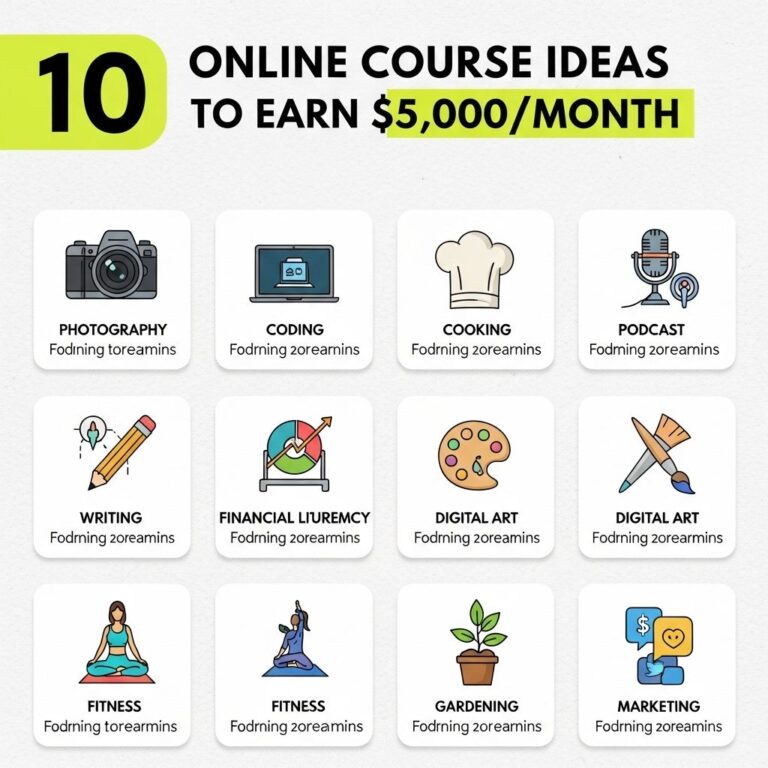
In today’s digital age, creating online classes has become an accessible and lucrative opportunity for anyone with expertise to share. This endeavor not only allows you to impart knowledge but can also serve as a reliable source of monthly income. In this article, we’ll explore the essential steps to establish and monetize your online classes, ultimately aiming to generate at least $500 a month.
Creating your own online classes can be a fulfilling way to share your expertise while generating income, potentially earning $500 a month or more. For those interested in the beer category, consider focusing on topics like brewing techniques, tasting notes, or food pairings. You can enhance your materials with high-quality beer images to make your presentations more engaging.
Table of Contents
Identifying Your Niche
The first step in creating online classes is identifying a niche that aligns with your skills and interests. Consider the following:
- Passion: Choose a subject you are passionate about to maintain motivation and enthusiasm.
- Market Demand: Research trending topics or skills that people are willing to pay for.
- Your Expertise: Assess your knowledge; teach something you are proficient in.
Conducting Market Research
To ensure your class will attract students, conduct thorough market research:
- Survey Potential Students: Use tools like Google Forms to gauge interest in your proposed topic.
- Competitor Analysis: Analyze successful online courses in your niche for insights and inspiration.
- Social Media Trends: Monitor platforms like Twitter, Reddit, and Facebook groups to see what topics are gaining traction.
Creating Your Course Content
Once you’ve established your niche, it’s time to create your course content. A well-structured course will enhance student engagement and learning outcomes.
Outlining Your Course
Create a detailed outline that covers all essential topics. Here’s a suggested structure:
| Module | Topics | Duration |
|---|---|---|
| Module 1 | Introduction to the Subject | 1 Hour |
| Module 2 | Key Concepts and Theories | 2 Hours |
| Module 3 | Practical Applications | 2 Hours |
| Module 4 | Case Studies | 1.5 Hours |
| Module 5 | Conclusion and Q&A | 1 Hour |
Creating Engaging Material
To keep students engaged, utilize diverse formats, including:
- Video lectures
- Interactive quizzes
- Downloadable resources
- Discussion boards
Choosing the Right Platform
Your choice of platform can significantly impact your course’s success. Consider the following options:
Self-Hosted Platforms
If you prefer complete control over your content and branding, consider self-hosted options like:
- WordPress with LMS Plugins: Utilize plugins like LearnDash or Teachable.
- Custom Website: Build a tailored website using tools like Wix or Squarespace.
Third-Party Platforms
For ease of use and built-in audiences, explore third-party platforms:
- Udemy: Ideal for beginners; they handle marketing and payment.
- Skillshare: Focuses on creative subjects, offering a subscription model.
- Coursera: Great for academic-oriented courses.
Marketing Your Online Classes
After developing your course, it’s essential to market it effectively to reach your target audience.
Utilizing Social Media
Leverage social media platforms to promote your course:
- Create a Facebook Page: Share tips, testimonials, and course updates.
- LinkedIn Networking: Connect with professionals interested in your subject.
- Instagram Reels: Use engaging visuals to showcase course highlights.
Email Marketing
Build an email list to keep potential students informed:
- Offer a free mini-course to collect emails.
- Send regular newsletters with valuable content.
- Announce course launches and special promotions.
Setting Your Pricing Strategy
Pricing your course appropriately is crucial. Consider these strategies:
Research Competitors
Analyze what similar courses charge and position your pricing competitively. You can choose between:
- Fixed Pricing: Set a single price for your course.
- Tiered Pricing: Offer various levels of access at different price points.
Offering Discounts and Promotions
Attract initial customers by providing limited-time discounts or early bird pricing to encourage sign-ups.
Ensuring Ongoing Engagement
To increase retention and encourage students to complete your course, focus on maintaining engagement:
Course Community
Create a community around your course:
- Use platforms like Slack or Discord for discussions.
- Encourage peer-to-peer interaction through group projects.
Regular Updates
Periodically update your course material to keep it relevant and address student feedback effectively.
Evaluating Success and Making Adjustments
Finally, to achieve and maintain your $500/month goal, regularly assess the performance of your course:
Gather Feedback
Encourage student feedback through surveys and reviews to identify improvement areas.
Analyze Metrics
Track key performance indicators (KPIs) such as:
- Enrollment numbers
- Completion rates
- Student satisfaction scores
By following these steps, you can build a successful online class that not only shares knowledge but also brings in a consistent income. With dedication and strategic planning, earning $500 or more per month is entirely achievable!
FAQ
How can I create online classes that generate $500 a month?
To create online classes that earn $500 a month, choose a niche you are knowledgeable about, develop high-quality content, and market your classes effectively through social media and email marketing.
What platforms can I use to host my online classes?
You can use platforms like Teachable, Udemy, Thinkific, or Kajabi to host and sell your online classes.
How do I price my online courses to reach $500 a month?
Consider pricing your courses based on the value they provide. If you charge $50 per course, you would need to sell 10 courses a month to reach your goal.
What marketing strategies can help sell my online classes?
Utilize SEO, social media marketing, content marketing, and partnerships with influencers to effectively promote your online classes.
How can I ensure my online classes are engaging?
Incorporate interactive elements like quizzes, discussion forums, and live Q&A sessions to make your online classes more engaging for students.