In an age where clutter seems to dominate our living and working spaces, the allure of minimalist design stands out as a refreshing alternative. Minimalism isn’t just about reducing physical items; it’s about creating an environment that encourages clarity, purpose, and peace. By strategically choosing what to keep and what to remove, you can transform any space into a serene haven. This article will explore how to create minimalist spaces efficiently, with practical tips and insights.
Table of Contents
Understanding Minimalism
Minimalism is a lifestyle choice that emphasizes simplicity and functionality. It encourages individuals to focus on what truly matters while eliminating distractions. The core principles of minimalism can be applied not only to home decor but also to various aspects of life, including how we organize our time and manage our commitments.
Key Principles of Minimalism
- Intentionality: Every item in a minimalist space should serve a specific purpose or bring joy.
- Simplicity: A minimalistic approach favors clean lines and fewer items to maintain an uncluttered look.
- Functionality: Spaces should be designed with functionality in mind, ensuring that everything in the room has a role.
- Quality over Quantity: Invest in fewer, higher-quality items instead of numerous lower-quality ones.
Steps to Create a Minimalist Space
Whether you are starting from scratch or looking to simplify an existing space, creating a minimalist environment involves several key steps:
1. Declutter Your Space
Begin by removing everything from your space. This includes furniture, decor, and personal items. Take a close look at each item and ask yourself the following questions:
- Does it serve a purpose?
- Does it bring me joy?
- When was the last time I used it?
Items that do not meet these criteria should be donated, recycled, or discarded. This process may be challenging, but it’s essential for establishing a clean slate.
2. Choose a Neutral Color Palette
Color plays a significant role in creating a calm environment. Consider using a neutral color palette comprising whites, greys, and earthy tones. This approach creates a serene atmosphere that is visually appealing and easy to maintain.
3. Select Functional Furniture
When choosing furniture, consider pieces that are both functional and aesthetically pleasing. Look for:
Multi-Functional Furniture
Items that serve more than one purpose help save space:
- Sofa beds
- Coffee tables with storage
- Ottomans that double as seating
Quality Pieces
Invest in durable, high-quality furniture that will last for years and fits seamlessly into your minimalist vision.
4. Limit Decorative Items
In a minimalist space, less is more. Choose a few meaningful decorative items instead of crowding surfaces. Consider:
- Art pieces that resonate with you
- Houseplants that add life without overwhelming the space
- One or two statement pieces that draw the eye
5. Embrace Open Spaces
Maximize the sense of openness in your space by keeping pathways clear and avoiding excessive furniture arrangement. Use the following tips to create openness:
- Arrange furniture to promote flow, allowing easy movement.
- Avoid large pieces that block sight lines.
- Create zones within your space for different activities.
6. Organize Efficiently
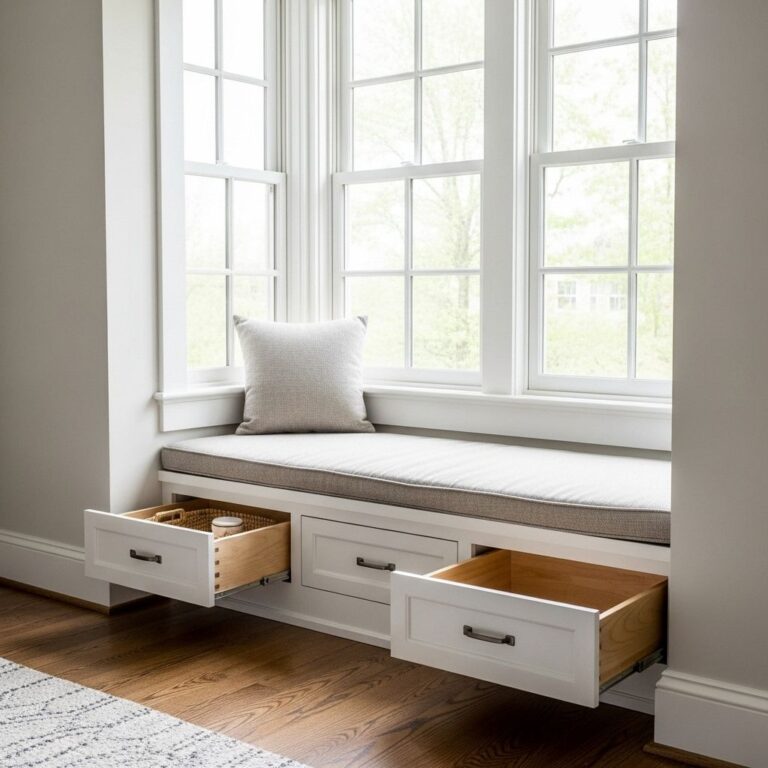
Implement smart storage solutions to keep your space organized while maintaining a minimalist aesthetic. Use:
- Baskets or bins for hidden storage
- Shelves that allow for vertical organization
- Drawer organizers to keep items neatly arranged
Examples of Minimalist Spaces
To inspire your minimalist journey, here are a few examples of different types of spaces that showcase minimalist design:
Living Room
The living room should be a comfortable and inviting space. Consider:
| Element | Description |
|---|---|
| Color Scheme | Light neutrals with pops of color through cushions |
| Furniture | Low-profile sofa, simple coffee table, and minimal shelving |
| Decor | A few carefully chosen art pieces and a plant |
Bedroom
A minimalist bedroom promotes relaxation and tranquility. Focus on:
| Element | Description |
|---|---|
| Bed | Simple bed frame with a high-quality mattress |
| Storage | Under-bed storage for clothes or extra linens |
| Lighting | Soft lighting options like bedside lamps |
Office Space
A minimalist office fosters productivity and concentration. Design tips include:
| Element | Description |
|---|---|
| Desk | Clean-lined desk with minimal accessories |
| Chair | Ergonomic chair that supports good posture |
| Technology | Basic tech setup with only essential devices |
Maintaining Your Minimalist Space
Creating a minimalist space is just the beginning; maintaining it is where the challenge lies. Here are some strategies to help you keep your space uncluttered:
Regular Decluttering
Schedule regular decluttering sessions—monthly or quarterly—to ensure that new items do not creep back in and disrupt your minimalist environment.
Mindful Consumption
Adopt a mindset of mindful consumption. Before purchasing new items, ask yourself if they align with your minimalist goals. This helps to avoid unnecessary clutter.
Set Limits
Establish limits on the number of items you will keep in certain categories, such as decor, clothing, or kitchenware. This makes it easier to adhere to your minimalist vision.
Conclusion
Creating minimalist spaces is a rewarding endeavor that leads to a more peaceful and focused life. By employing the principles of minimalism, you can transform areas of your home into serene sanctuaries that reflect intention and clarity. As you embark on this journey, remember that minimalism is not about perfection but rather about finding balance and creating an environment that enhances your life. With the right strategies and mindset, you can achieve a minimalist space that resonates with your personal values and lifestyle.
FAQ
What are the key principles of minimalist design?
The key principles of minimalist design include simplicity, functionality, and the use of a limited color palette. The focus is on reducing clutter and emphasizing essential elements.
How can I declutter my space for a minimalist look?
To declutter your space, start by removing items that you no longer use or love. Organize your belongings and keep only what is necessary for your daily life.
What color schemes work best for a minimalist space?
Neutral color schemes such as whites, grays, and beiges work best for a minimalist space. You can also incorporate soft pastels or earth tones to add warmth.
How can I incorporate furniture into a minimalist design?
Choose multi-functional furniture with clean lines and simple shapes. Opt for pieces that serve a purpose while maintaining an uncluttered aesthetic.
What are some tips for maintaining a minimalist space?
To maintain a minimalist space, regularly evaluate your belongings, establish a cleaning routine, and avoid impulse purchases that lead to clutter.
Can I add personal touches to a minimalist space?
Yes, you can add personal touches by incorporating a few meaningful decor items or artwork. Just ensure they align with the overall minimalist aesthetic.