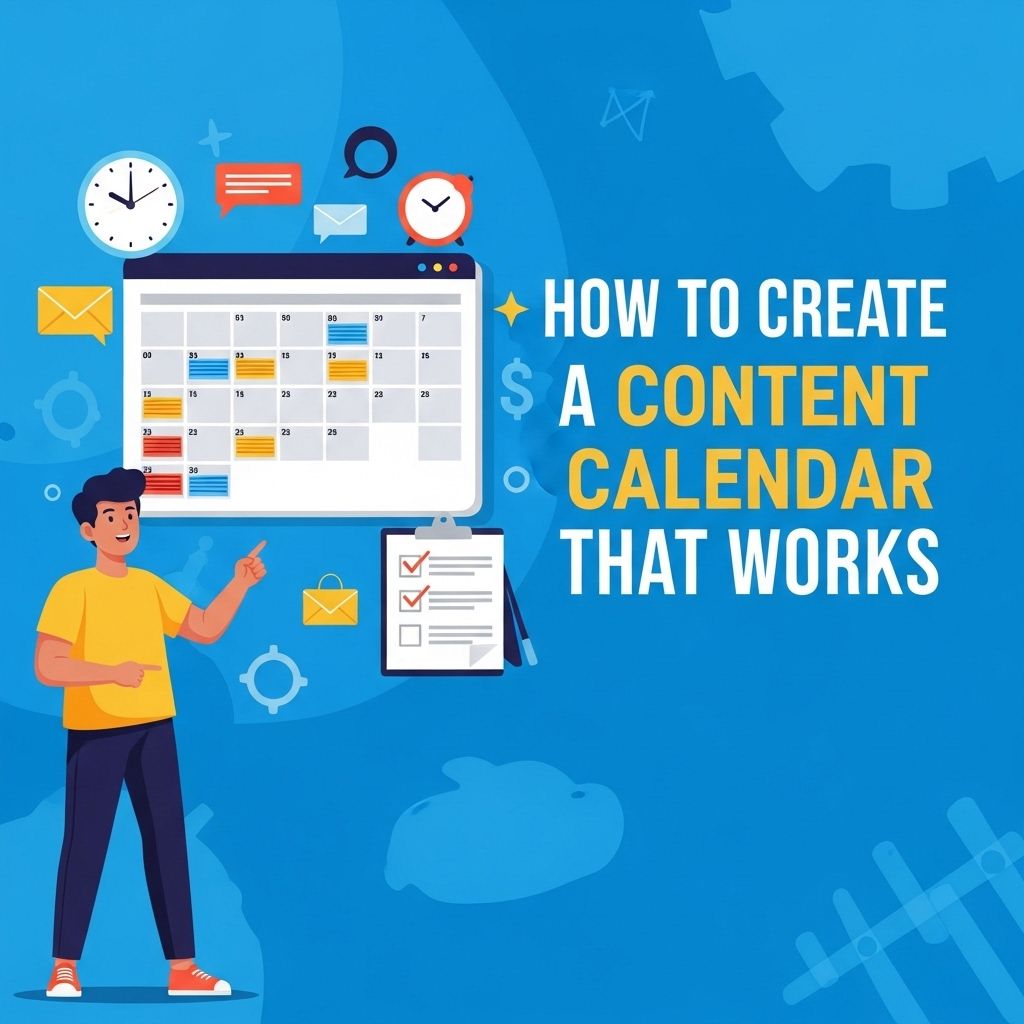
In the fast-paced world of digital marketing, consistency is key. A well-structured content calendar can be the guiding light for your content strategy, ensuring that you publish high-quality material regularly. Whether you’re a solo blogger or part of a large marketing team, a content calendar can help you organize your ideas, streamline your workflow, and engage your audience effectively. In the following sections, we will delve into the steps to create an efficient content calendar that truly works for your brand.
Mastering your content calendar is essential for consistent and engaging online presence. This step-by-step guide will help streamline your planning process, ensuring that every post aligns with your brand’s goals and values. For inspiration, consider using bag mockups for branding to enhance your visual content.
Table of Contents
Understanding the Importance of a Content Calendar
Before we dive into the creation process, it’s important to understand why a content calendar is crucial for your success. Here are several reasons that highlight its significance:
- Better Organization: A content calendar helps you keep track of your content themes, publishing dates, and promotional efforts.
- Content Variety: It allows you to plan a diverse range of content types, which can include blogs, social media posts, videos, and newsletters.
- Improved Workflow: Having a clear schedule streamlines the content production process, reducing last-minute rushes.
- Enhanced Collaboration: A shared calendar fosters better communication among team members as everyone knows what to expect.
Steps to Create a Content Calendar
1. Define Your Goals
Before creating your content calendar, it’s essential to identify your goals. Ask yourself:
- What are the main objectives of my content?
- Who is my target audience?
- How will I measure success?
These insights will guide your content creation efforts and help you stay aligned with your brand’s mission.
2. Choose Your Tools
The next step is to define the tools you will use to create and manage your content calendar. Here are some popular options:
| Tool | Features | Pricing |
|---|---|---|
| Google Sheets | Customizable, collaborative, free | Free |
| Trello | Visual project management, checklist features | Free with premium options |
| Asana | Task assignments, deadlines, calendar view | Free with premium options |
| CoSchedule | Integrated marketing calendars, analytics | Paid |
Choose a tool that fits your team’s needs and preferences.
3. Brainstorm Content Ideas
Now it’s time to fill your calendar with content ideas. Consider the following methods:
- Keyword Research: Use tools like Google Keyword Planner or SEMrush to identify trending topics in your niche.
- Audience Feedback: Gather insights from your audience through surveys or social media comments.
- Competitive Analysis: Analyze what types of content your competitors are producing.
4. Create an Outline
Once you have your topics, create an outline for each piece of content. This should include:
- Title
- Description
- Target Keywords
- Publishing Date
- Promotion Strategies
5. Schedule Your Content
With your ideas and outlines in hand, start plotting them into your calendar. Consider the following:
- Frequency: Decide how often you want to post (daily, weekly, bi-weekly).
- Timing: Research when your audience is most active online.
- Seasonal Content: Account for holidays or events relevant to your industry.
Types of Content to Include
When creating your content calendar, it’s important to incorporate a variety of content types to engage your audience effectively. Here are some types to consider:
1. Blog Posts
These are the backbone of most content strategies. Aim for a mix of informative articles, how-tos, and opinion pieces.
2. Social Media Posts
Create a plan for your social media strategy, including:
- Daily posts
- Stories and live sessions
- Engagement initiatives (polls, Q&A)
3. Videos
Video content can significantly boost your engagement. Plan for:
- Informative videos
- Product demonstrations
- Behind-the-scenes content
4. Email Newsletters
Regular newsletters keep your audience informed about new content and promotions.
Monitoring and Adjusting Your Calendar
Creating a content calendar isn’t a one-time task; it requires continuous improvement. Here are some tips for monitoring and adjusting:
1. Analyze Performance Metrics
Use tools like Google Analytics or social media insights to track the performance of your content. Key metrics include:
- Traffic
- Engagement rates
- Conversion rates
2. Gather Feedback
Regularly solicit feedback from your audience. This can be done through:
- Surveys
- Social media polls
- Direct comments
3. Be Flexible
The digital landscape is constantly changing. Be prepared to adjust your calendar based on:
- Emerging trends
- Industry news
- Audience interests
Final Thoughts
A well-crafted content calendar is invaluable for maintaining a consistent and effective content strategy. By understanding your goals, choosing the right tools, brainstorming diverse ideas, and continually monitoring performance, you create a robust framework that can adapt with your audience’s needs and the evolving digital landscape. Remember, your content calendar should be a living document that evolves as your brand grows. Happy planning!
FAQ
What is a content calendar?
A content calendar is a tool that helps you plan, schedule, and organize your content across various platforms, ensuring consistent and timely delivery.
Why do I need a content calendar?
A content calendar helps streamline your content creation process, improves team collaboration, and ensures that your messaging aligns with marketing goals and important dates.
How do I start creating a content calendar?
Begin by determining your content goals, identifying key themes or topics, and then outline a schedule that includes publishing dates, content types, and responsible team members.
What tools can I use to create a content calendar?
There are several tools available for creating a content calendar, including Google Sheets, Trello, Asana, and specialized content management software like CoSchedule.
How often should I update my content calendar?
You should regularly update your content calendar to reflect new ideas, shifts in strategy, or changes in priorities, ideally on a monthly or quarterly basis.
What types of content should be included in a content calendar?
Include various content types such as blog posts, social media updates, videos, newsletters, and promotional content to ensure a balanced and engaging content mix.