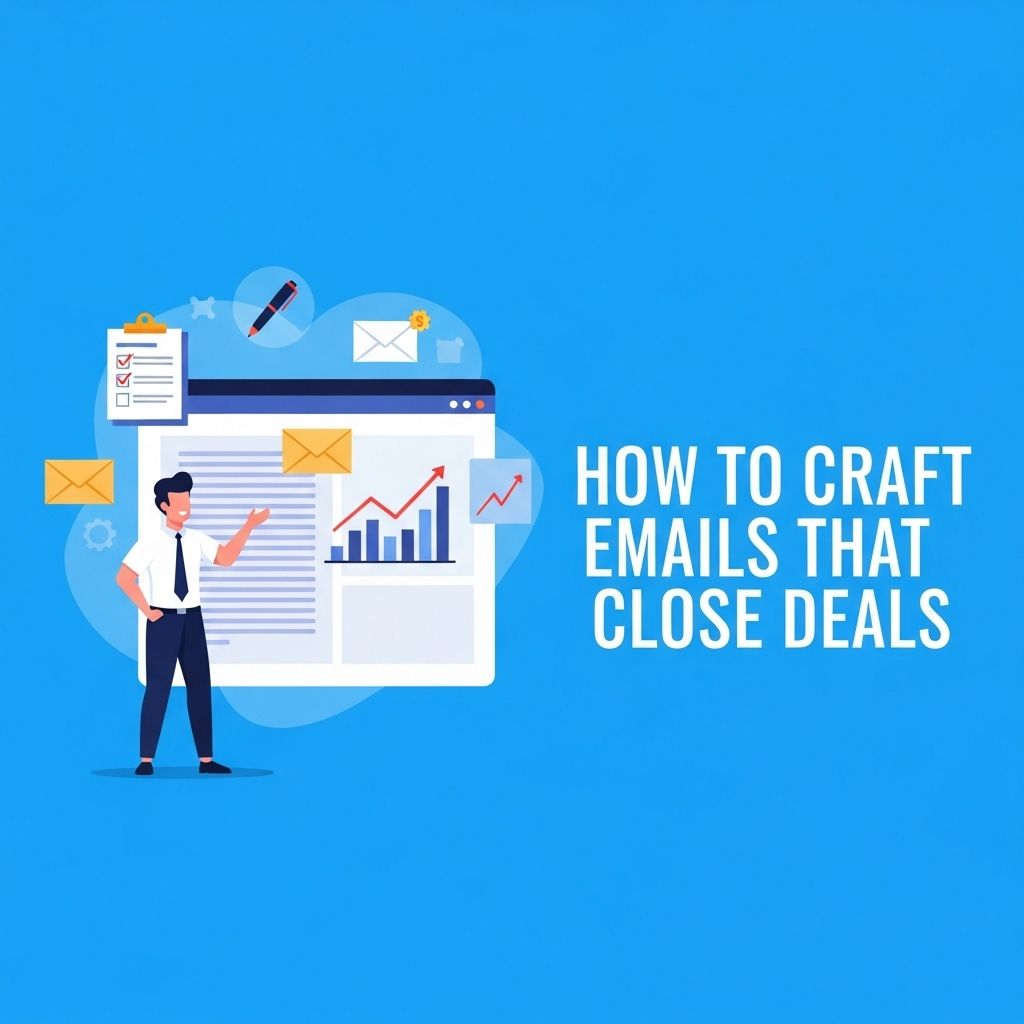
Email communication is a powerful tool in today’s business landscape, especially when it comes to closing deals. The art of crafting effective emails that can persuade, engage, and ultimately convert leads into customers is essential for anyone looking to succeed in sales. In this article, we will explore various strategies, tips, and best practices for writing emails that not only capture attention but also drive action. Let’s dive into the essentials of creating emails that close deals.
In the fast-paced world of business, crafting emails that effectively close deals is an essential skill. A clear and concise message can significantly elevate your chances of success, especially when tailored to the recipient’s needs and interests. For instance, if you’re in the beer industry, utilizing resources like beer design templates can enhance your visual communication and help your emails stand out.
Table of Contents
Understanding Your Audience
Before crafting your email, it’s crucial to understand who your audience is. Tailoring your message to meet the specific needs and preferences of your target recipient can significantly increase your chances of success. Consider the following:
Identify Key Characteristics
- Demographics: Age, gender, location
- Industry: What sector does your recipient belong to?
- Position: Are you addressing a decision-maker or an influencer?
Crafting a Compelling Subject Line
The subject line is your first opportunity to make an impression. A well-crafted subject line can increase your open rates. Here are some strategies:
Tips for Writing Subject Lines
- Be Concise: Aim for 6-10 words.
- Create Urgency: Use time-sensitive language.
- Personalize: Include the recipient’s name or company.
- Highlight Benefits: Clearly state what’s in it for them.
Structuring Your Email for Maximum Impact
Once your email is opened, you need to maintain the reader’s attention and guide them towards taking action. Here’s how:
Creating a Strong Opening
Your opening lines should immediately grab attention. Consider starting with a question or a bold statement.
Body Content
The body of your email should be concise and to the point. Use short paragraphs and bullet points to make it easy to read. Here’s a suggested format:
- State the Purpose: Clearly explain why you’re reaching out.
- Provide Value: Offer insights, statistics, or a unique proposition.
- Build Trust: Include testimonials or case studies if applicable.
Creating a Call to Action
Your email should always include a clear call to action (CTA). A strong CTA guides the recipient on what to do next. Consider the following:
Effective CTA Strategies
- Be Clear: Use direct language that specifies what you want the recipient to do.
- Make it Stand Out: Use buttons or bold text.
- Limit Choices: Too many options can overwhelm and confuse.
Personalization: The Key to Connection
Personalization goes beyond just using the recipient’s name. It involves understanding their pain points and position in the decision-making process. Here are ways to personalize effectively:
Research and Insights
- LinkedIn Profiles: View their professional background to tailor your message.
- Previous Interactions: Reference past conversations or touchpoints.
- Industry News: Mention relevant news that affects their business.
Follow-Up Strategies
Sometimes, it takes more than one email to close a deal. Following up can significantly increase your chances of success. Here are some strategies:
When and How to Follow Up
- Timing: Wait 2-3 business days after your initial email.
- Value Addition: Provide new information or insights in your follow-up.
- Polite Reminder: Keep it friendly and express understanding about their busy schedule.
Analyzing and Optimizing Your Email Campaigns
To further enhance your email effectiveness, it is essential to analyze your campaigns. Tools like email tracking software can help you understand open rates, click-through rates, and responses. Here are some aspects to consider:
Key Metrics to Monitor
| Metric | Description |
|---|---|
| Open Rate | Percentage of recipients who open your email. |
| Click-Through Rate | Percentage of recipients who clicked on a link in your email. |
| Response Rate | Percentage of recipients who replied to your email. |
Case Studies: Success Stories
Nothing speaks louder than real-world examples. Here are two brief case studies showcasing how effective email strategies resulted in closed deals:
Case Study 1: SaaS Company Success
A SaaS company utilized personalized emails targeting decision-makers in tech firms. By including relevant statistics and a clear CTA, they achieved a 50% response rate, leading to multiple new contracts.
Case Study 2: Consulting Firm
A consulting firm increased their client engagement by 30% through a series of follow-up emails that provided ongoing value, including industry insights and tailored recommendations.
Conclusion
Crafting emails that close deals is an art that blends understanding your audience, effective writing, and strategic follow-up. By following the strategies outlined in this article, you can enhance your email marketing efforts and turn potential leads into loyal customers. Remember, in the world of sales, every email counts.
FAQ
What are the key elements of an effective sales email?
An effective sales email should include a compelling subject line, a personalized greeting, a clear value proposition, a concise body, a strong call to action, and a professional closing.
How can I personalize my sales emails?
You can personalize your sales emails by using the recipient’s name, referencing their company or industry, mentioning mutual connections, and tailoring the message to address their specific needs or pain points.
What is the best subject line for a sales email?
The best subject lines are short, intriguing, and relevant to the recipient’s interests. Consider using questions, numbers, or personalized statements to grab attention.
How long should a sales email be?
A sales email should be concise, ideally between 50 to 125 words. This length is enough to convey your message without overwhelming the reader.
What should I include in the closing of my sales email?
In the closing of your sales email, include a clear call to action, express appreciation for their time, and provide your contact information for any follow-up.
How can I follow up on a sales email?
You can follow up on a sales email by sending a polite reminder after a few days, reiterating your value proposition, and offering to answer any questions they may have.