Building a strong corporate identity is essential for any business aiming to succeed in today’s competitive market. A well-defined corporate identity strategy not only helps in creating a unique presence but also fosters brand loyalty among customers. This article delves into the key components of developing an effective corporate identity strategy that resonates with your target audience and strengthens your brand image.
Table of Contents
Understanding Corporate Identity
Corporate identity encompasses the visual and verbal elements that represent a company. It is the sum of how a business presents itself to the world and how it is perceived by the audience. The components of corporate identity include:
- Logo and Branding
- Typography
- Color Palette
- Imagery and Graphics
- Messaging and Tone
Each of these elements plays a critical role in establishing a cohesive and recognizable brand. When integrated correctly, they simplify communication and create a lasting impression.
Key Components of a Corporate Identity Strategy
1. Define Your Brand Purpose
Understanding the core purpose of your brand is the first step in building your corporate identity. This involves answering questions such as:
- What is the mission of your company?
- What values guide your business decisions?
- What makes you unique in your industry?
Clearly defining your brand purpose will help align your corporate identity with your company’s goals and resonate with your target audience.
2. Conduct Market Research
Market research is crucial in gaining insights into your audience, competitors, and industry trends. This involves:
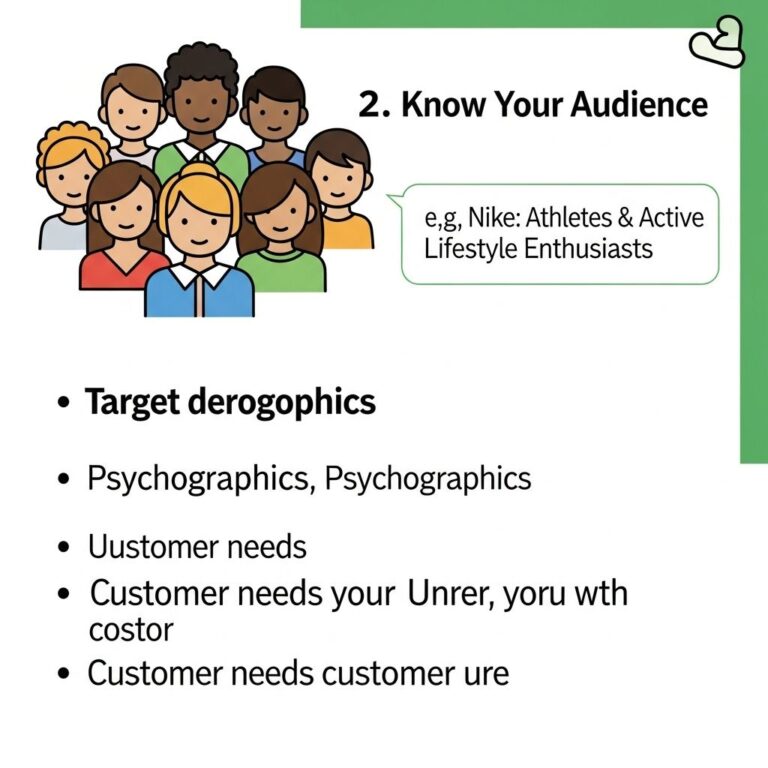
- Identifying your target audience: Understand demographics, interests, and needs.
- Analyzing competitors: Assess their strengths and weaknesses.
- Recognizing market trends: Stay updated with industry developments.
This information will inform your corporate identity strategy and ensure it is relevant and effective.
3. Develop a Visual Identity
Your visual identity is a critical component of corporate identity. This includes designing the following elements:
| Element | Description |
|---|---|
| Logo | The primary visual symbol of your brand. |
| Typography | The font styles used in your communications. |
| Color Palette | The set of colors that represent your brand. |
When creating your visual identity, ensure that it aligns with your brand purpose and appeals to your target audience.
Crafting Your Brand Voice
Your brand voice is the way you communicate with your audience. It should reflect your company’s personality and values. Consider the following aspects:
1. Tone
Decide on the tone of your messaging. It can be:
- Formal
- Friendly
- Professional
- Casual
2. Language Style
Your choice of words matters. Determine if you want to use:
- Technical jargon
- Simple language
- Humor
3. Consistency
Consistency in your brand voice across all platforms is crucial. This builds trust and makes your brand more memorable.
Implementing Your Corporate Identity Strategy
Once you have developed your corporate identity components, it’s time to implement your strategy effectively. Here are some key steps:
1. Create Brand Guidelines
Brand guidelines serve as a reference for maintaining consistency across all your corporate identity elements. Include:
- Logo usage rules
- Color specifications
- Typography styles
- Image usage policies
2. Internal Communication
Ensure that your employees understand the corporate identity and brand guidelines. This can include:
- Training sessions
- Internal newsletters
- Brand ambassador programs
3. External Communication
Communicate your corporate identity to the public through:
- Website and social media
- Press releases
- Marketing materials
Evaluating Your Corporate Identity
To ensure the effectiveness of your corporate identity strategy, regular evaluation is necessary. This can be achieved through:
1. Surveys and Feedback
Collect feedback from customers and employees to gauge their perception of your corporate identity.
2. Performance Metrics
Monitor key performance indicators (KPIs) that reflect your brand’s presence and reputation.
3. Adaptation and Improvement
Be prepared to adapt your corporate identity strategy based on feedback and market changes. Continuous improvement is key to staying relevant.
Conclusion
Building a robust corporate identity strategy is an ongoing process that requires careful planning and execution. By understanding your brand purpose, conducting thorough research, and implementing your identity cohesively, you can create a strong and memorable corporate identity that resonates with your audience and drives business success.
FAQ
What is a corporate identity strategy?
A corporate identity strategy is a comprehensive plan that outlines how a company presents itself to the public, including its branding, logo, messaging, and overall visual style.
Why is a corporate identity strategy important?
A strong corporate identity strategy helps establish brand recognition, builds customer trust, and differentiates a company from its competitors in the marketplace.
What are the key elements of a corporate identity strategy?
Key elements include branding guidelines, logo design, color schemes, typography, messaging tone, and visual elements that reflect the company’s values and mission.
How can I create a corporate identity strategy?
To create a corporate identity strategy, start by defining your brand values, conducting market research, developing visual elements, and ensuring consistency across all platforms.
How often should I update my corporate identity strategy?
It’s advisable to review and update your corporate identity strategy every few years or whenever there are significant changes in your business or market conditions.
Can a corporate identity strategy affect customer perception?
Yes, a well-crafted corporate identity strategy can significantly influence customer perception by conveying professionalism, reliability, and the unique qualities of your brand.