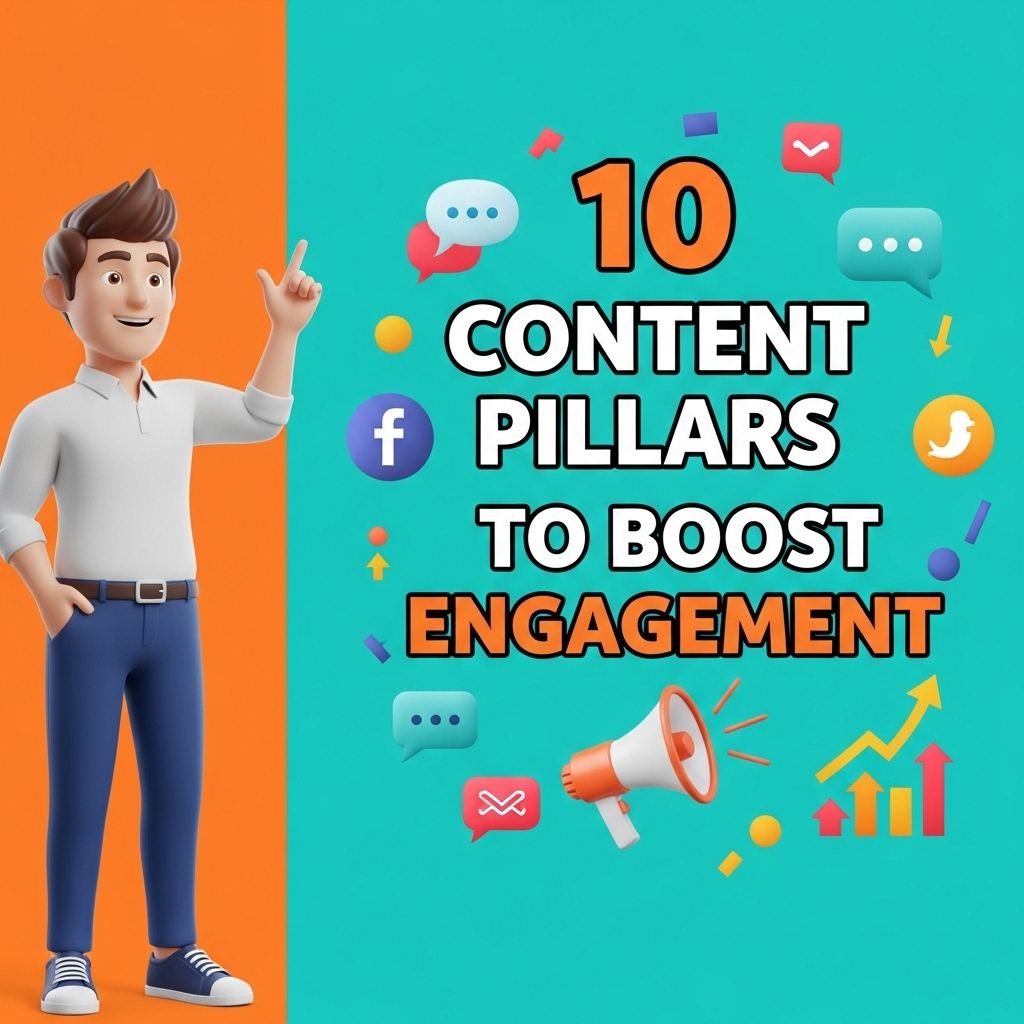
In the digital age, content is king, but not all content is created equal. For brands looking to enhance their online engagement, understanding and implementing effective content pillars is essential. Content pillars are the foundational themes or topics from which all your content flows. They help maintain consistency, guide content creation, and ensure that your audience remains engaged. In this article, we will delve into ten essential content pillars that can significantly boost engagement levels.
Table of Contents
1. Educational Content
Educational content aims to provide valuable information, insights, and learning opportunities to your audience. This type of content positions your brand as an authority in your field, fostering trust and loyalty among consumers.
Types of Educational Content
- Tutorials and how-to guides
- Webinars and online courses
- Infographics
- Research papers and case studies
By delivering actionable insights, businesses can engage users looking to enhance their skills or knowledge.
2. Entertaining Content
Pleasure and fun play a critical role in audience engagement. Entertaining content draws viewers in and encourages them to share experiences with others. This pillar can take various forms:
Formats of Entertaining Content
- Memes and jokes
- Interactive games and quizzes
- Videos and skits
- Behind-the-scenes content
When content resonates on an emotional level, it fosters connections and builds communities around your brand.
3. Inspirational Content
Inspirational content motivates and uplifts audiences. It can encourage them to take action, whether that’s pursuing personal goals or engaging with your brand in a meaningful way. Popular formats include:
Examples of Inspirational Content
| Format | Description |
|---|---|
| Success stories | Sharing journeys and achievements of individuals or businesses |
| Quotes | Motivational sayings that resonate with your audience |
| Vision statements | Articulating aspirations that inspire action |
Inspiration can be a powerful driver of engagement and loyalty.
4. Interactive Content
Interactive content enhances user engagement by creating a two-way conversation. This type of content encourages users to actively participate rather than passively consume.
Forms of Interactive Content
- Polls and surveys
- Chatbots
- Interactive infographics
- Contests and giveaways
This approach not only engages your audience but also provides valuable feedback on their preferences and opinions.
5. User-Generated Content (UGC)
Featuring content created by your audience can significantly boost engagement. UGC fosters a sense of community and belonging, as users feel valued and recognized.
Benefits of User-Generated Content
- Enhances authenticity
- Encourages brand advocacy
- Provides social proof
Brands like GoPro and Starbucks have successfully leveraged UGC to strengthen their communities and build engagement.
6. Trending Topics
Staying relevant is crucial in today’s fast-paced environment. Creating content around trending topics not only captures attention but also positions your brand at the forefront of industry conversations.
Ways to Identify Trending Topics
- Social media platforms
- Google Trends
- Industry blogs and forums
By tapping into current events and trends, brands can engage audiences who are eager for timely information.
7. Case Studies and Testimonials
Case studies demonstrate the effectiveness of your product or service through real-world applications. Testimonials build credibility and trust, essential for engaging potential customers.
Components of an Effective Case Study
- Clear problem statement
- Detailed implementation process
- Results and metrics
When potential customers see how others have benefited, they’re more likely to engage.
8. Visual Content
In a world where attention spans are dwindling, visual content captivates audiences quickly and effectively. Images, videos, and graphics can convey messages far more efficiently than text alone.
Types of Visual Content
- Videos
- Infographics
- Images and graphics
Incorporating rich visuals into your content strategy can significantly enhance engagement rates.
9. Storytelling
Every brand has a story, and sharing it can create emotional connections with your audience. Storytelling is an effective means of engagement, as it humanizes your brand and makes it relatable.
Elements of Effective Storytelling
- Relatable characters
- Compelling narrative arc
- Clear message or lesson
Brands like Nike and Coca-Cola have mastered storytelling, elevating their branding efforts through engaging narratives.
10. Value-Driven Content
Ultimately, the most effective content pillars focus on delivering value to the audience. Whether through entertainment, education, or inspiration, content should always aim to enhance the lives of its viewers.
Strategies for Creating Value-Driven Content
- Understand your audience’s needs
- Provide practical information
- Encourage engagement and feedback
By prioritizing value in your content strategy, you’ll cultivate a loyal and engaged audience.
Conclusion
Implementing these ten content pillars will require creativity, strategic thinking, and an understanding of your audience. It’s essential to keep experimenting and refining your approach based on engagement metrics and feedback. By effectively leveraging these pillars, brands can create a robust content strategy that not only boosts engagement but also builds lasting relationships with their audience.
FAQ
What are content pillars?
Content pillars are key topics or themes that guide your content strategy, ensuring consistency and relevance across various platforms.
How do content pillars boost engagement?
By focusing on specific content pillars, you create targeted and valuable content that resonates with your audience, leading to increased engagement.
How can I identify my content pillars?
Identify your content pillars by analyzing your audience’s interests, your brand’s goals, and conducting keyword research to find relevant topics.
Can I have multiple content pillars?
Yes, having multiple content pillars allows you to cover a range of topics while still maintaining a cohesive brand message.
What types of content can I create around my pillars?
You can create blog posts, videos, infographics, podcasts, and social media posts centered around your content pillars to engage your audience.
How often should I update my content pillars?
Regularly review and update your content pillars based on audience feedback, industry trends, and performance analytics to keep your content relevant.